



Matcha moves the market: Why cafés and brands are investing in the green tea wave
Once a niche wellness drink, matcha is now a revenue-driving staple in India’s café scene. From sourcing strategy to product innovation, we go deep into it.

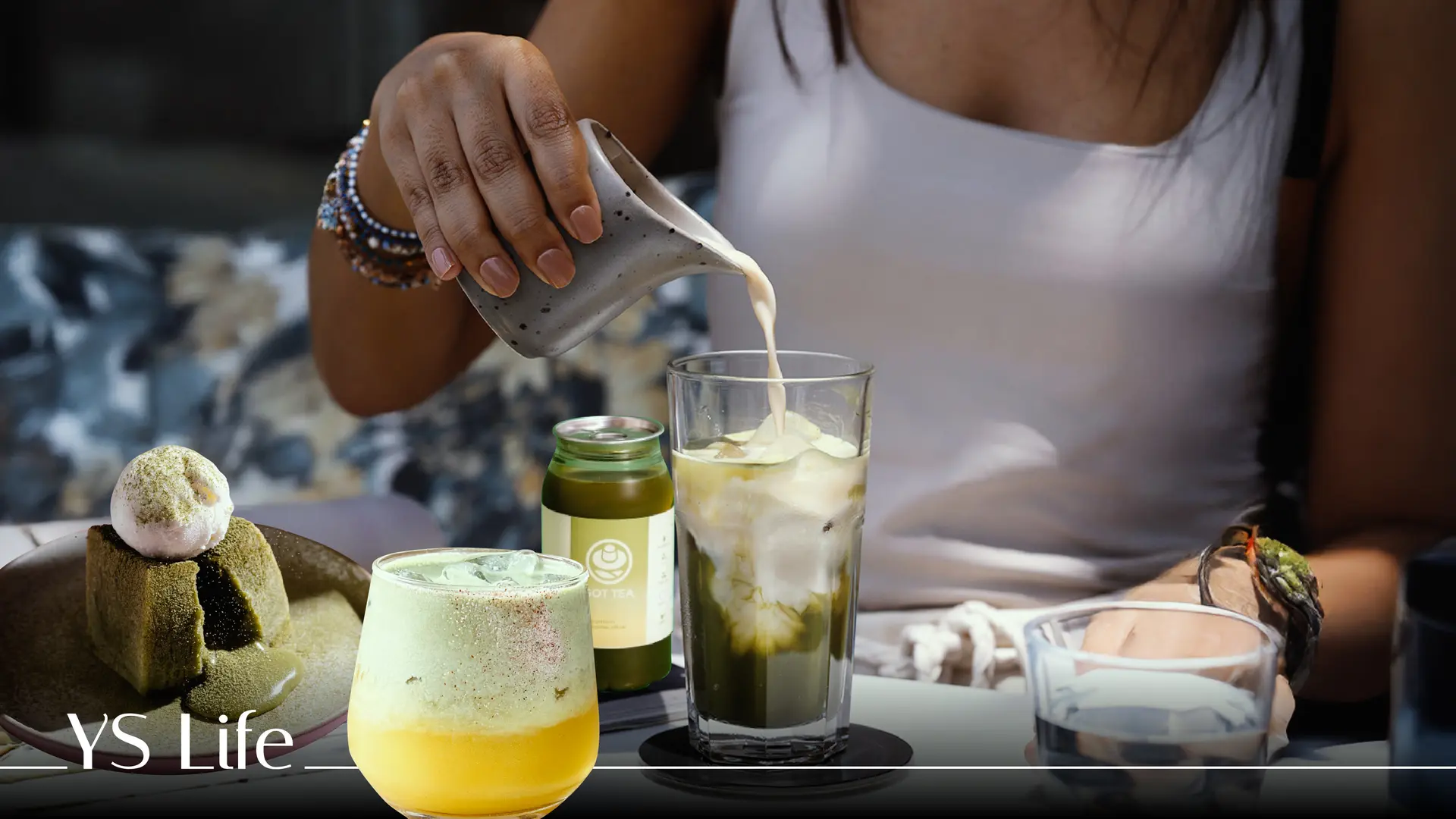

At Espressos AnyDay in Gurugram, matcha isn’t just a passing trend, it’s a statement. Since opening in November last year, the all-day diner has built a reputation for crafting comfort-driven yet creative matcha-based beverages. From the floral, nutrient-rich Rose and Collagen Matcha Latte to the zesty Matcha Yuzu Tonic, each drink is thoughtfully designed to let matcha shine.
This summer, the Mango Matcha Latte, with its bold, tropical notes, is a clear crowd favourite.
For the uninitiated, matcha is a finely ground powder of green tea, specially processed from shade-grown tea leaves.
“We noticed the matcha wave beginning around late 2022,” says Grace Muivah, Brand Lead at Espressos AnyDay. “It started online but quickly moved into real conversations at the counter.”
India’s matcha market was estimated at $104 million in 2024 and is expected to hit $167 million by 2030.
Once a niche favourite among wellness enthusiasts, matcha is now entering the mainstream, and brands are taking note of this trend.
“It’s becoming a part of daily rituals, not just a novelty,” says Anirudh Sharma, Co-Founder of Third Wave Coffee.
Matcha’s blend of sustained energy and health benefits is winning over coffee drinkers and wellness seekers alike.
However, as demand for matcha grows—questions of sourcing and its authenticity follow. From ceremonial-grade imports to local innovation, the matcha movement in India is brewing stronger than ever across cafés in India. YS Life goes behind the scenes to understand the innovation and business of matcha.
From drinks to desserts
Innovation is the real secret behind matcha’s rising success in India. No longer limited to being a wellness beverage, matcha is being reimagined across formats and flavours to suit diverse palates.
Take for instance Bengaluru-and Goa-based Maverick & Farmer Coffee’s seasonal Aam Panna Matcha. The drink features a house-made aam panna base—roasted green mangoes blended with Karnataka’s popular Badami mangoes—creating a smoky, tangy-sweet profile that balances matcha’s earthy umami. Another standout is the Maverick Matcha-gran, a riff on its bestselling Mazagran, with lemonade, orange, ginger, mint, and lemon zest.
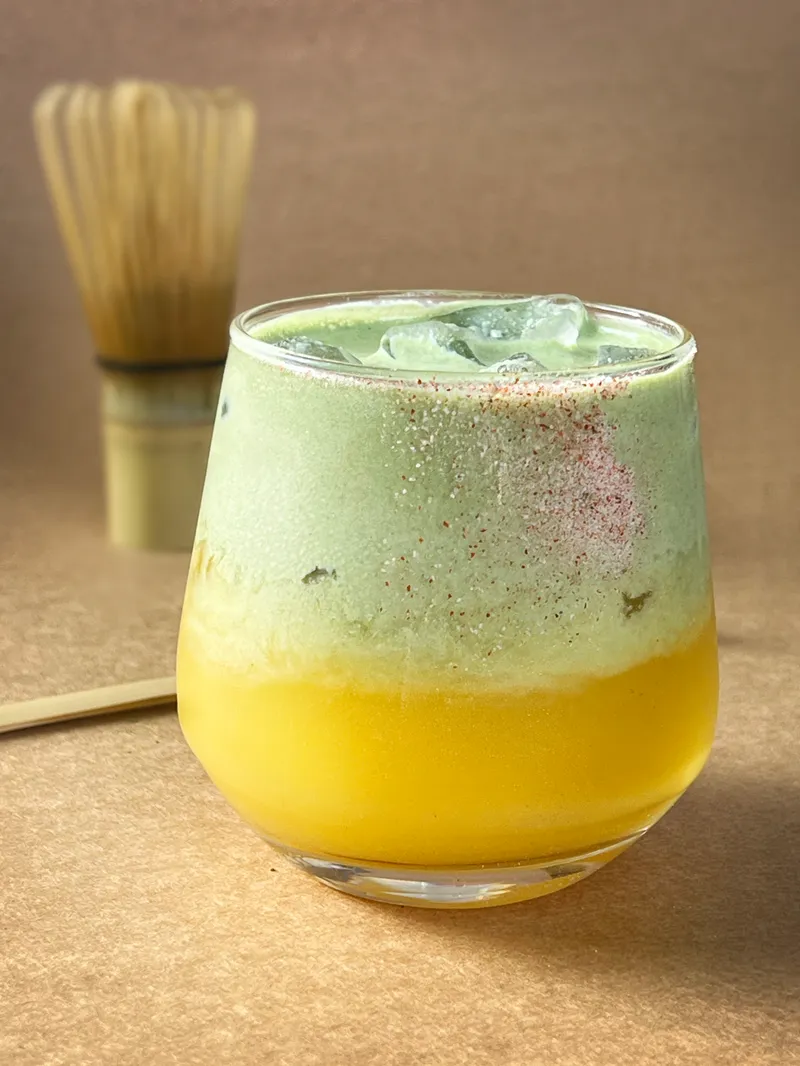
Aam Panna matcha at Maverick & Farmer Coffee
At Got Tea, a craft Asian bubble tea and matcha brand that has outlets in Delhi-NCR and Bengaluru, the menu spans eight distinct flavours including Matcha Lemonade, Chocolate Matcha, and Matchamisu. It is also experimenting with new offerings like Taro Matcha and Butterscotch Matcha.
“We’ve increased the matcha content to give our drinks more body and flavour while keeping them clean with real ingredients,” says Got Tea’s Co-founder YuSung Eo.
Third Wave Coffee was among the early adopters, introducing matcha beverages in 2019, well before the trend took off on social media. Its Iced and Hot Japanese Matcha Lattes remain top picks till today.
Meanwhile, Harajuku Tokyo Café in Delhi-NCR offers a deep dive into traditional matcha with Usucha and Koicha preparations. Its innovative collaboration with Behind The Bar include avant-garde concoctions like basil-infused matcha, matcha shakes inspired by Japanese snacks, and even a matcha affogato with Umeshu.
At Delhi-based IKIGAI by Cafe Delhi Heights, the boundaries are pushed further with matcha cocktails. One features a light matcha foam, while another infuses matcha directly into the drink, offering a complex and aromatic profile.
In Jaipur, Coffee Sutra offers the mellow Coconut Matcha Cloud and the Yuzu Jade Spritz, which blends matcha’s depth with a pop of citrus.
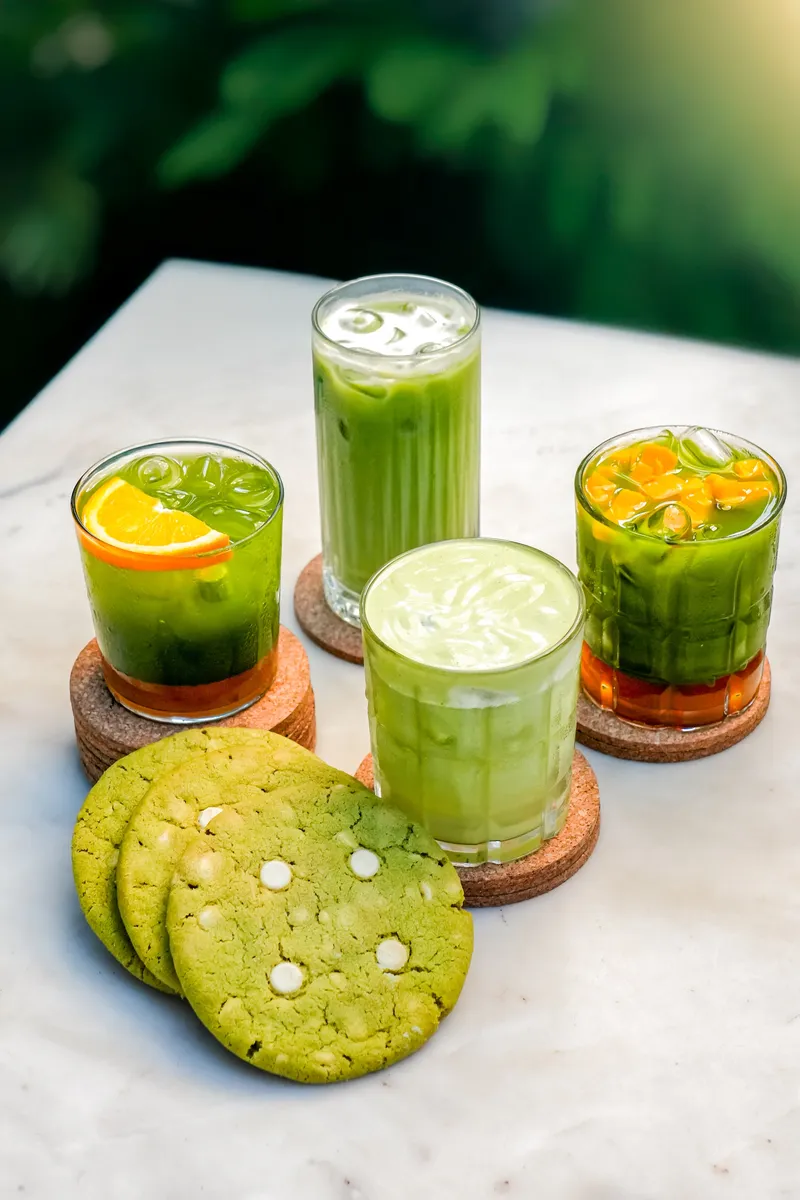
Matcha menu at Coffee Sutra in Jaipur
The Grammar Room in Delhi and Gurugram brings playful twists with drinks like Matcha Coconut Water Float and savoury dishes such as Matcha Tostadas and matcha-battered nori.
In Mumbai, Tokyo Matcha Bar by Meher Kohli and chef Rahul Ramnani offers the creamy Banana Matcha Smoothie and even a Cookies and Cream Matcha Frappe.
Other popular spots in the city include Mokai where Instagrammable matcha drinks with Yakult, mango cold foam, and blueberries are served. Boojee Café is another hotspot that's finding favour among fitness enthusiasts, particularly for its fruit-forward Iced Mango Matcha Latte.
Beyond drinks, matcha is making its way into desserts as well. Magnolia Bakery’s outlets in Hyderabad, Bengaluru and Mumbai offer Matcha Cupcake and Whole Cake, classic favourites with a balanced matcha twist.
“We have taken our signature cake and buttercream and blended it with matcha for a flavour that’s balanced, not overpowering,” says Zonu Reddy, Co-founder, Spago Foods, which brought Magnolia Bakery to India.
Sourcing the green gold
As matcha grows in popularity across India, the question of where it’s sourced from has become increasingly important. Not just for taste, but for quality, authenticity, and health benefits.
Most cafés use ceremonial grade matcha from Japan—a finely ground powder made from the youngest, most tender green tea leaves, shade-grown for several weeks. It is characterised by its vibrant green colour, smooth texture and rich umami flavour.
However, Ashish D’abreo, Q grader, Coffee roaster and Co-founder, Maverick & Farmer Coffee, informs that ‘ceremonial grade’ and ‘culinary grade’ are just marketing terms that have no relevance in Japan.
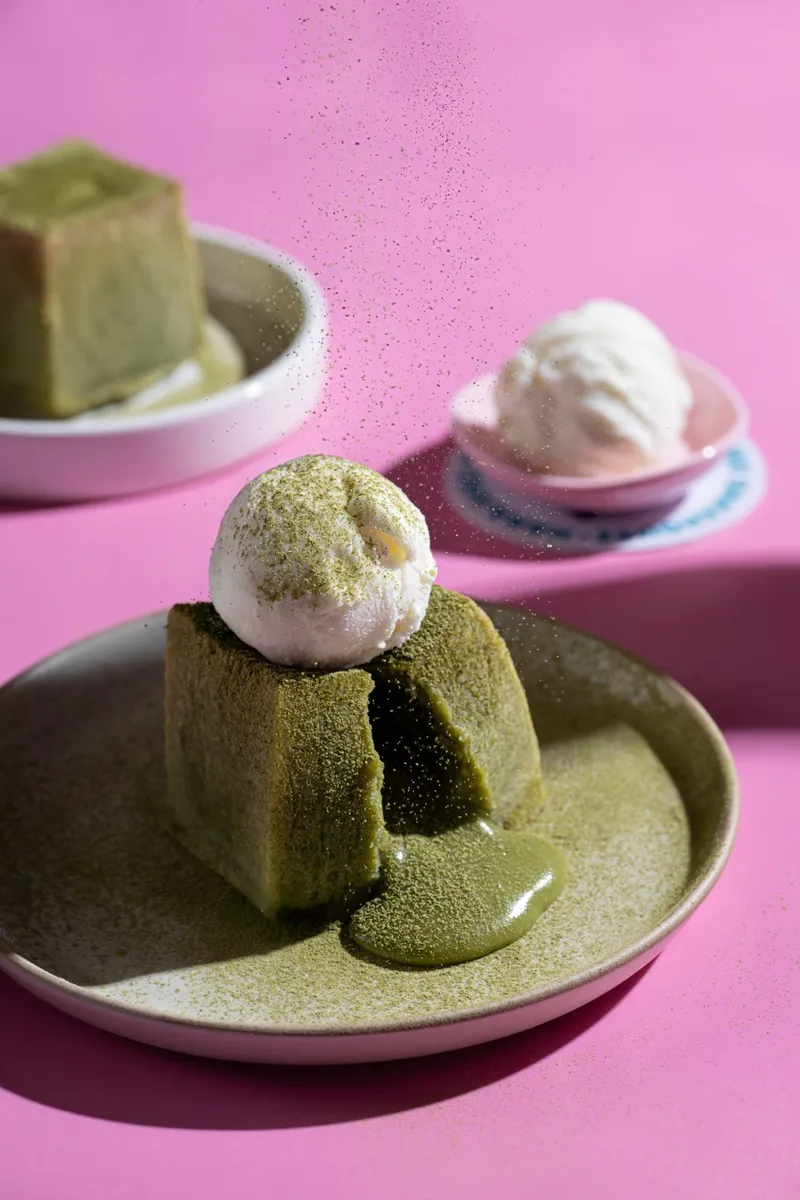
Matcha Lava Cake at Harajuku Tokyo Café
“Our matcha is shade-grown, first-harvest matcha, and this can be identified by a complete lack of astringency and a complex flavour,” he says.
Matcha is directly sourced from regions of Shizuoka and Kagoshima by Third Wave Coffee. For beverages, the outlet chooses matcha that delivers a clean, vibrant, and naturally sweet flavour profile.
“It’s about being intentional in every step—from sourcing to serving—so our customers experience the most authentic and elevated matcha experience in every sip and bite,” assures Sharma.
IKIGAI, on the other hand, sources ceremonial grade matcha from trusted premium brands like Yuzen and Midore. This grade is made from the first harvest, also called the first flush, which results in a fresher, more vibrant flavour and a naturally sweeter profile.
“While its taste might be more robust and nuanced which may not be everyone’s cup of tea, it truly represents the essence of what matcha should be,” highlights Sarthak Batra, Founder of IKIGAI.
For Dushyant Singh, Founder of Indwell Hotels Pvt. Ltd which is behind Coffee Sutra, zeroing in on matcha took quite some time. The team conducted extensive trials to assess various grades, textures, and flavour profiles.
“Choosing the right matcha was a critical decision. There are many subpar and overly bitter options in the market, and we were determined to avoid that. We wanted our customers to experience matcha at its finest: fresh, mellow, and full of character,” he says.
Soon Got Tea will also be launching ceremonial grade matcha for retail and plans to introduce kiosks focused on serving the highest grade matcha from different regions.
Matcha joins the coffee club
Coffee chains today are not just about coffee—they’re about being beverage-first destinations and spaces that offer experiences, which people visit for ambience, relaxed conversations, and time with friends, family or colleagues.
Including matcha is not about chasing a trend, it’s about listening to evolving consumer needs, says Sharma of Third Wave Coffee. “This is to cater to the set of our customers who prefer non-coffee options, and matcha allows us to fulfill that demand meaningfully, without diluting our brand ethos. It's a way to stay relevant and inclusive,” he adds.
Gaurav Kanwar, Founder of Harajuku Tokyo Café, opines that although matcha requires a different set of skills to prepare, like whisking and proper storage, it also shares some operational similarities with coffee, including the types of milk, sweeteners, ice, and flavourings.
“Both from a customer experience and a business standpoint, matcha makes a lot of sense for cafés to offer alongside coffee,” says Kanwar.
Dhruv Oberoi, Executive Chef at The Grammar Room, believes having matcha on the menu offers the opportunity to cater to a whole new crowd—those who are into wellness or just looking for something beyond coffee. “It’s smart business but also a response to shifting preferences toward cleaner, functional drinks.”
Muivah of Espressos AnyDay agrees. She believes matcha opens up new creative space and adds a revenue stream. “The challenge is doing it with intention. If you’re only adding it for the ‘green’ trend without understanding the craft, it shows. But when done right, it’s a powerful extension of a café’s story,” she reiterates.
Is it here to stay?
The interest in matcha has grown steadily, with its audience covering everyone from curious first-timers to regular drinkers. What began as an internet-fuelled trend has matured into a movement, with brands now focusing less on trendy visuals and more on quality, provenance, and depth of flavour.
“Eventually, the appeal will shift from colourful creations to the quality of the matcha itself,” says D’abreo of Maverick & Farmer Coffee. “That’s why we were deliberate about sourcing a grade that offers complexity and longevity, something that transcends trends.”
With continued access to high-grade matcha, hojicha, and other Japanese teas, served in ways that align with evolving Indian palates, the green tea wave shows no sign of slowing down.
“This isn’t just a passing trend,” says Kanwar. “It’s part of a broader shift towards mindful, flavourful, and culturally rooted experiences.”
Edited by Swetha Kannan