


A quick nap at work is just what the doctor ordered
Power naps are emerging as the latest trend in workplace wellness. Contrary to the belief that you lose if you snooze, a 20-minute nap can help employees rest, recharge and return to work with sharper focus and renewed energy, say experts.

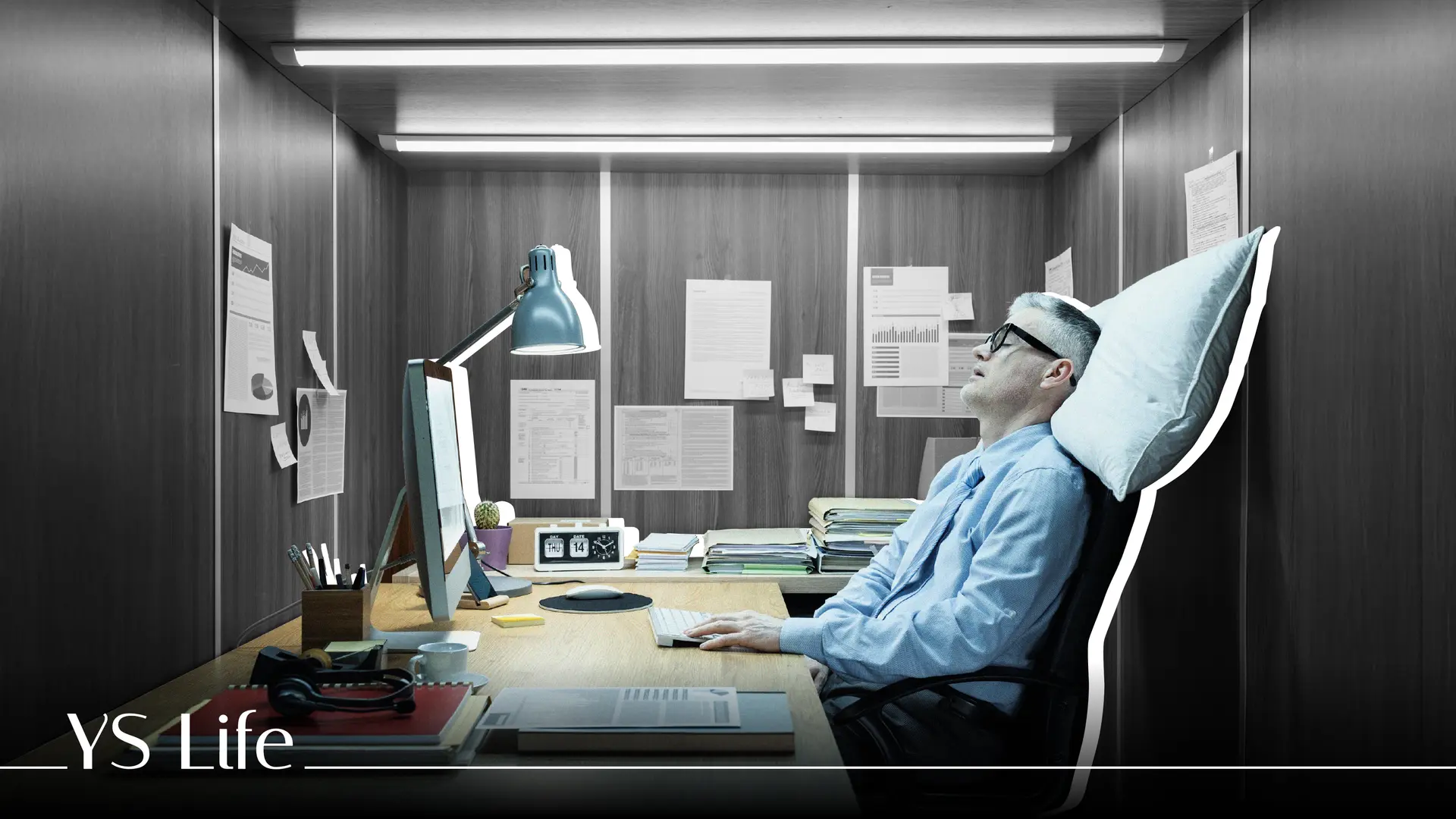

For Anant Singh, a 42-year-old creative director at a Mumbai-based advertising agency, the power of a nap cannot be underscored. He spends most of his time at work, crafting pitch decks and strategising out-of-the-box ideas. To get his mind working, he tries to get some shut-eye post lunch every other day.
While there's no dedicated nap room in his office, a space created for leisure has become his favourite spot. He sinks into one of the many bean bags in the room, plugs on his earphones, and enjoys 20 minutes of bliss.
“In all honesty, I am generally sleep deprived, and even when I am not, I feel like my mind is always alert. Over time, I have realised the only way to get myself a little calm are these power naps,” he says, adding, “It’s a simple addition to my life, which has made quite a difference. I am less cranky and more productive.”
There are some other stories, some laced with humour, but pointing to a larger issue of wellness.
For instance, Shreya Bhartiya, a 36-year-old with an event management company in Delhi, recalls how she would head to a “hideout” at work and keep her phone in a strategic manner to avoid getting into trouble.
“I would have it on my ear, which would make others believe that I was listening to a client on the other side. The reality is I enjoyed some downtime in the middle of a work day,” she says.
Dedicated nap rooms or pods in workplaces may be an idea India Inc is still toying with but it's a worldwide phenomenon for improved employee wellness. Companies like Google, Meta, Accenture, Procter & Gamble and even Microsoft have incorporated this practice across the world.
It all boils down to the larger problem of sleep deprivation. While The National Sleep Foundation recommends seven to nine hours of sleep per night for adults between 18 and 64 years, up to 43% of workers in the United States don’t get proper sleep, especially third‑shift and irregular-shift workers.

Image source: Shutterstock
Sleep deficit impairs attention, judgement, and memory, and causes absenteeism, leading to big losses in the long run. According to healthtech company ResMed’s fifth annual Global Sleep Survey, nearly 47% among 30,000 Indian respondents admitted to taking sick leave at least once in their careers due to sleep deprivation.
“Most people believe that snoozing means losing. The fact is if someone is sleep deprived for longer periods of time, they are likely to have several health issues including higher risk of chronic diseases like heart disease, diabetes and obesity,” says Sudha Parmar, a Kolkata-based general physician.
“It also wreaks havoc on your mental health. Be ready to face anxiety, mood changes, and even cognitive impairment,” she adds.
In that case, can a simple addition like a nap at work improve the situation?
Encouraging rest and recovery
The idea of nap pods shows that more people are recognising the importance of rest for overall well-being.
It's not just about comfort, it's also about helping people show up at their best, says Sahil Sharma, Chief Human Resources Officer at RateGain, a global provider of AI-powered travel and hospitality SaaS solutions.
At its office in Noida, RateGain has created cosy corners and adapted the medical room for people to take a short break, when needed.
“We have seen first-hand that even a 15–20-minute power nap can help employees return to their work with sharper focus and renewed energy,” he adds. “If we want high performing teams, we need to also support their ability to recover during the day.”
Ritu Bhardwaj Moitra, Chief Human Resources Officer at Duroflex Group, echoes a similar view. In her opinion, in places where being ‘always on’ is seen as a virtue, sleep is unfortunately the first casualty. The lack of quality rest can have several repercussions, which is why incorporating it as part of workplace wellness is crucial.
“We believe that sleep is a necessity and a powerful enabler of performance, both personal and professional,” says Moitra.
Image source: Shutterstock
While such concepts offer a quick fix to address fatigue, it's also important to get to the deeper issues behind tiredness and burnout.
Manika Awasthi, Chief People Officer at Compass Group India, a global player in food and facility management services, says, “We are focused on creating a culture where balance, rest, and wellness are part of everyday life. That means encouraging flexible work, manageable workloads, and mental health support through partners like 1to1help.net.”
Sleep pods: Luxury or necessity?
Sleep pods may seem like a futuristic concept. However, with conversations around mental health, burnout, and sustainable productivity becoming more mainstream, creating a space for employees to rest and recharge during the day may be both timely and necessary.
Duroflex has installed nap pods and sleeping stations at its office in Bengaluru.
“Our core purpose is to help India sleep better—and that extends to our own teams. By installing nap pods and sleeping stations at our offices, we are making a quiet but intentional shift towards a more empathetic and high-performance work environment,” says Moitra.
She views this as part of a larger mindset shift. “Prioritising rest isn’t indulgent—it’s intelligent. And for a brand rooted in sleep science, it’s a natural step forward in championing a healthier way to work.”
A sleep pod provides space for people who want to take a break, reflect, or simply pause during a demanding day.
“The Japanese idea of ‘inemuri’, which encourages napping at work as a sign of commitment rather than laziness, really resonates with us. If someone needs 20 minutes to reset and come back stronger, we should absolutely support that,” says Sharma of RateGain.
“For us, sleep pods or any other initiatives for wellness are not perks. They are a thoughtful response to the way people work and live today.”
However, Mukeish Mane, HR Head for South Asia, Crown Worldwide Group, believes that providing sleep pods could be infrastructurally challenging in the logistics and warehousing industry, given the dynamics and noisy nature of jobs in this field.
Considering initial investment and space requirements for sleep pods, in the absence of clear returns on performance and productivity, getting a buy-in for such infrastructural initiatives could be a challenge in the early days.
It would largely depend on the number of people affected by such burnout and the extent of productivity advantages expected, says Mane.
Low- or no-cost flexible working arrangements could be the first option, and investing in sleep pods after evaluating the sleep deprivation phenomenon among employees could be the next step.
“After a gruelling work schedule, flexible work arrangements like compensatory offs, early leaving or late arrivals could be alternatives to provide enough rest. In India, post-meal napping concepts are not yet widely adopted as a formal workplace policy,” says Mane.
A holistic approach
Wellness is not about checklists. It is about real options that support mindfulness and work-life balance and help people manage their energy and work sustainably.
Gurugram-based Compass Group India has a room for yoga and meditation, a games section in the cafeteria to help employees de-stress, and a library corner that offers a mindful break from screens.
“We also host regular wellness webinars featuring simple breathing techniques and movement exercises that employees can easily incorporate into their routines,” says Awasthi.
It is important to remember that true rest and recovery happen after work hours, and sleep plays a foundational role in helping individuals recharge, manage stress, and maintain emotional resilience.
“Sleep literacy plays an essential role. Employees often underestimate how small lifestyle tweaks can result in significant improvements in how rested and productive they feel,” advises Moitra.
Practical tips to feel rested include establishing a consistent sleep and wake routine, even on weekends, and avoiding screen time at least 30 minutes before bedtime. Reducing caffeine intake post-lunch, opting for calming teas, andr incorporating gentle stretches before bed can also improve sleep quality.
Edited by Swetha Kannan