



The role of digital museums in rediscovering Indian craftsmanship
Digital museums are reviving interest in India’s artisanal heritage by recording methods, presenting craftspersons to a global audience and involving and inspiring the next generation.

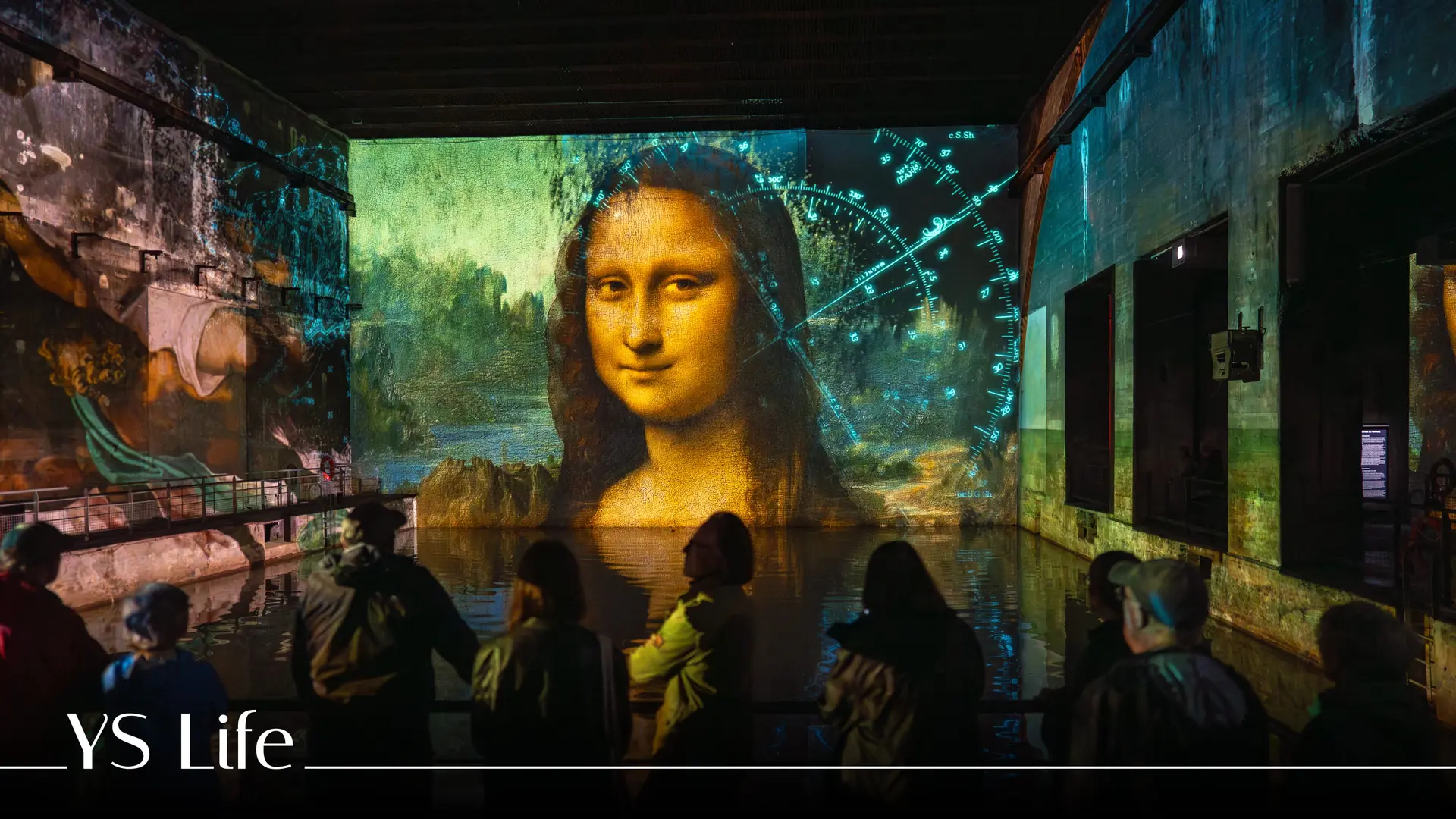

Today, India’s rich cultural heritage and craftsmanship are prominently displayed through the exquisite zari work in the Banarasi sarees, the vibrant Madhubani paintings from Bihar, and the intricate wood carvings created in Saharanpur.
These crafts have revealed stories of identity, community, and talent over the years. However, many are in danger of becoming extinct due to urbanisation, globalisation, and declining economic viability.
Due to low demand and limited market access, 70% of traditional artists are searching for alternative sources of income, according to a 2018 survey conducted by the Crafts Council of India.
Digital museums—online institutions that use technology to preserve and present cultural material—are a useful tool to counteract this trend. These museums are reviving interest in India's artisanal heritage by recording methods, presenting craftspeople to audiences globally, and involving the next generation.
Source: Shutterstock
The craftsmanship crisis
A 2020 Ministry of Textiles survey revealed that fewer than 100 families each practice crafts, like Odisha Pattachitra or Kutch Rogan painting, despite the All India Handicrafts Board claiming there are over seven million artisans in India.
Increasing material expenses and competition from mass-produced items intensify the problem.
For instance, a 2023 article states that the price of steel—necessary for metal crafts such as Bidriware—has risen from Rs 600 to Rs 1,000 per tonne, complicating the ability of artists to sustain themselves.
Although physical museums play a crucial role, they are often out of reach for rural artisans and global audiences, and their unchanging displays seldom convey the vibrant narratives that motivate the crafts. By providing immersive, easily accessible, and interactive platforms, digital museums close these gaps.
Using tech to preserve heritage
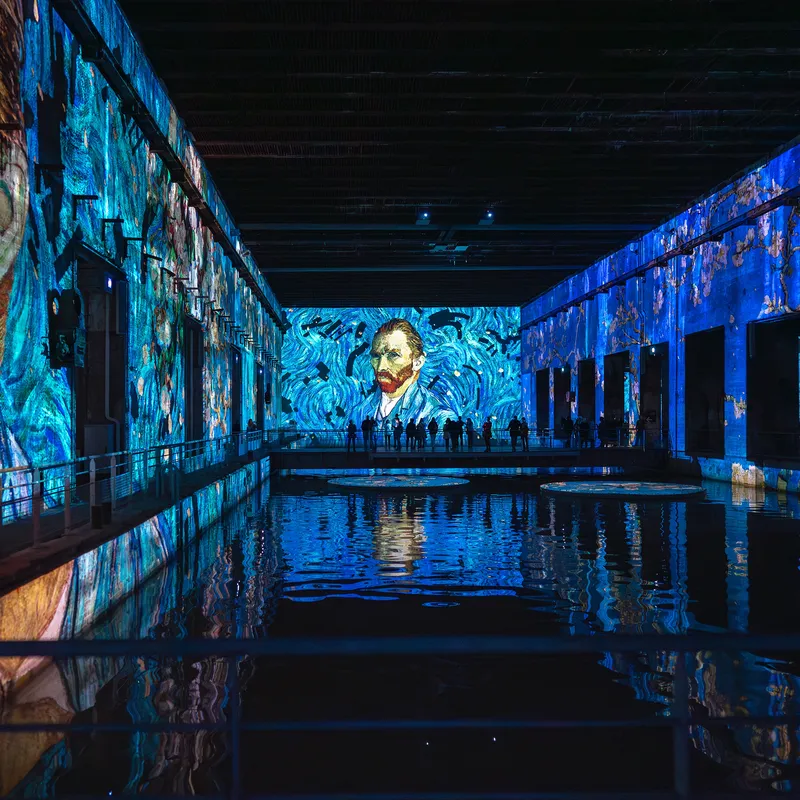
Digital museums use technology such as 3D modelling, augmented reality (AR), and high-resolution imagery to build virtual archives of possessions and cultural narratives.
The Ministry of Culture established the National Digital Repository for Museums of India. Alongside crafts such as Channapatna toys and Bidriware, it features artefacts from more than 20 institutions.
Similar to this, Google Arts & Culture's "Crafted in India" campaign—started in collaboration with the Ministry of Tourism and Dastkari Haat Samiti—includes over 5,000 high-quality photos of textiles, metalwork, and ceramics, besides films of artisans at work.
Source: Shutterstock
These platforms not only provide a display but also provide context through narrative. For example, the Indian Museum’s JATAN—the digital portal offers virtual tours that explain the historical significance of Bengal's Kantha embroidery and link it to 19th-century women's empowerment movements.
The oral knowledge transfer tradition between gurus and shishyas is one example of an intangible aspect of craftsmanship protected by these programmes. Platforms to visualise crafts in virtual spaces are the best example of this. They use motion capture and 3D models to make processes like loom weaving easy to understand for non-technical users, such as museum curators and enthusiasts. Bandhani tie-and-dye and Dhokra lost-wax casting are two techniques that are digitally preserved for the benefit of future generations.
Linking craftspeople with international markets
Digital museums promote economic empowerment by bridging the gap between artists and audiences globally. Direct market access is made possible by the Ministry of Culture's support for the Virtual Museum of India, which features crafts along with artisan profiles and ecommerce links.
According to a 2021 study by Dastkari Haat Samiti, international buyers' inquiries increased by 30% for artisans featured on digital platforms. This visibility is revolutionising the lives of rural artisans, who frequently lack the means to reach urban markets. For example, interviews with Bihar artisans are included in the National Crafts Museum's virtual exhibit on Madhubani painting, which amplifies their voices and increases sales.
Digital platforms are more important now than they were before the COVID-19 pandemic. According to a 2023 study published in the Journal of Innovation and Entrepreneurship, online handicraft companies saw an increase in market reach and customer trust.
Blockchain and artificial intelligence (AI) also made data management easier for artisans. By emphasising the genuineness and cultural narratives of crafts, digital museums assist makers to compete with mass-produced substitutes, attracting customers who appreciate handcrafted goods.
Increased exposure
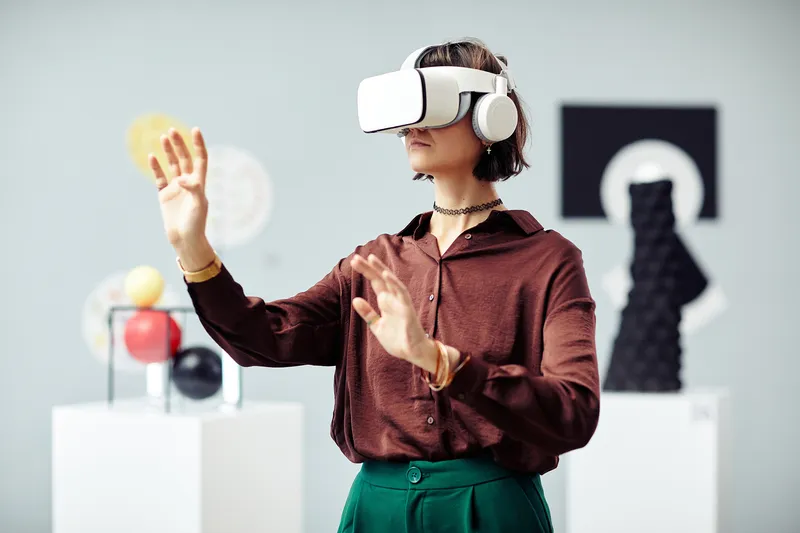
Digital museums' unique stance allows them to engage younger, tech-savvy generations. Learning becomes more immersive with elements like virtual reality (VR) and augmented reality (AR).
The National Crafts Museum's virtual reality display on Kashmiri Pashmina weaving lets visitors see a weaver's workplace in three dimensions, engaging them in the intricacies of the technique.
According to a 2022 IIT Delhi survey, about 85% of students between the ages of 18 and 25 preferred interactive digital platforms to visiting actual museums to learn about cultural heritage.
This reach is increased by integrating social media. Short videos of craft processes, like the bell-metal work of Assam or the blue pottery of Jaipur, are shared by digital museums on platforms like YouTube and Instagram.
With over 2 million views, a 2023 Google Arts & Culture campaign showcasing Thanjavur paintings encouraged art students to try out the style. These types of art are highly received by younger audiences, which promotes a renewed interest in crafts and their integration into modern contexts such as fashion. Designers like Sabyasachi Mukherjee have availed digital visibility to draw attention to traditional textiles like Banarasi brocade in modern bridal clothing.
Strategies for archiving
Digital museums provide essential archives for the preservation of artisan methods that are in jeopardy of going extinct. Many crafts, such as Warli painting and Kotpad natural dyeing, are endangered because they rely on oral knowledge sharing.
Over 1,000 hours of video, including artist interviews and comprehensive instructions on crafts like Kutch embroidery, have been collected in the IGNCA's digital collection since 2018.
In a similar vein, digital platforms document methods such as loom weaving using 3D simulations, making them available for teaching and restoration. These archives will be extremely helpful to academics, instructors, and craftspeople who are trying to conserve or revitalise dying techniques.
Opportunities and challenges
Digital museums are not without their difficulties, despite their potential. The National Statistical Office estimates that only 37% of rural households in India will have internet access in 2022. This restricts artisans’ ability to interact with online platforms. Smaller museums' budgets are also strained by the high expenses of producing immersive content, such as VR experiences.
Since many platforms are in English, language barriers make access even more difficult, alienating audiences and artisans who do not speak the language.
Collaboration is essential to overcoming these. Rural internet access could be given priority under the Digital India initiative, and NGOs could provide training in digital literacy. Interfaces with multiple languages would promote inclusivity. Collaborations with tech behemoths, such as Google's with the National Museum, can lower expenses by contributing technical know-how.
Standardising digitisation across museums through initiatives, like C-DAC Pune's JATAN software, makes it simpler to build easily accessible online databases.
A renaissance in culture
Digital museums serve as catalysts for cultural rebirth and are beyond just archives. For Indian handicrafts to flourish in the digital era, they preserve traditions, involve future generations, and link artisans with consumers. Crafts that were once exclusive to local marketplaces, like Kutch's Rogan painting or Pochampally Ikat, are today valued by people across the world.
As technology develops, new concepts for digital museums will continue to emerge, offering new insights into and chances to enjoy India's handicraft heritage. In a society where mass production is the norm, these platforms act as a reminder of the value of the handmade—the souls, tales, and abilities that go into each item.
Manoj Swarup is the Founder and CEO of LyfeIndex.
Edited by Suman Singh