



What makes a diamond rare in the age of mass luxury?
A diamond is often chosen to mark something deeply personal such as a promise, a legacy, or a celebration. It is the intention behind the act of acquiring it that gives the stone its soul and makes it rare.

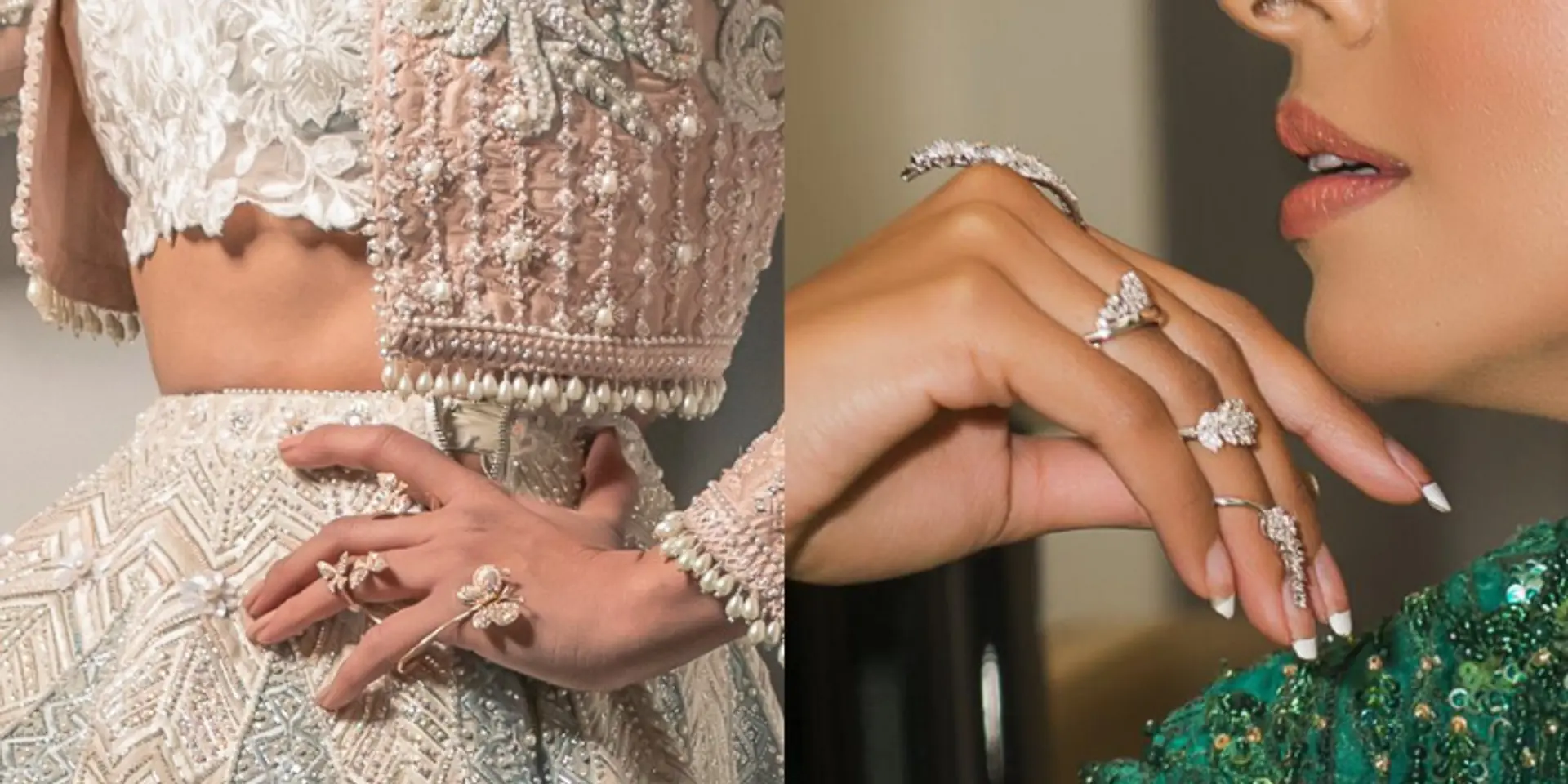

Luxury today is more accessible than ever before. A designer collaboration drops every quarter, limited editions aren’t so limited anymore, and what once felt aspirational is now often just a click away. However, amidst this wave of “mass luxury,” where exclusivity is constantly being redefined, a question keeps pricking the minds of those who truly seek luxury: How do you know if that’s also rare?
For me, few things answer that question like a diamond does.
Beyond supply and scarcity
Traditionally, rarity was measured in numbers—the fewer its kind and the harder it was to find, the more valuable it became. But in this hyper-connected world flooded with excess and access, rarity is no longer defined solely by availability. It is now about emotional scarcity, what still makes people pause, admire, and desire.
A natural diamond, formed deep within the earth over billions of years, holds that power. It doesn’t chase trends; it transcends them. Even as our timelines scroll endlessly with the new and the now, a diamond stays relevant because of its quiet defiance and its ability to reflect not just trends, but the evolving facets of the one who wears it. It asks nothing of time and yet it eternally defines it.
Value in permanence
Mass luxury thrives on novelty, but the truly rare are permanent.
A piece of diamond jewellery is intentionally acquired, which shines with both a personal connection and timeless design. A diamond is thus not just owned—it is held, worn, cherished, and eventually passed on.
Its value isn’t in how quickly it can turn heads, but in how long it remains meaningful and connected. This permanence is especially revered in a world grappling with fleeting trends—where digital likes disappear in seconds and most objects are designed for obsolescence. Natural diamonds offer the rare luxury of continuity, grounding us in memory, commitment, and enduring emotion.
Rarity as a reflection of meaning
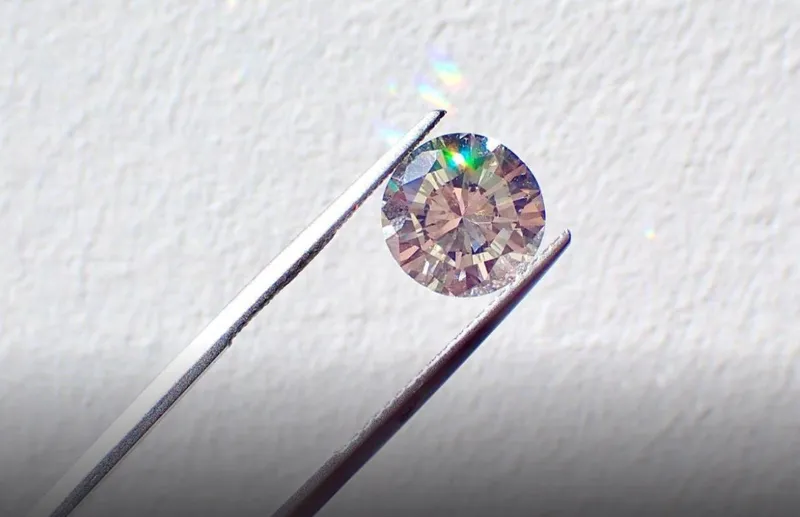
Not all expensive items are rare and not every rare thing needs a price tag to justify its worth. But what separates a natural diamond from other luxury items, is not just the four Cs—but a fifth one: context. A diamond is often chosen to mark something deeply personal such as a promise, a legacy or a celebration. It is the intention behind the act of acquiring that gives the stone its soul and makes it rare because meaning is harder to manufacture than material.
In this way, diamond jewellery becomes more than adornment, it becomes a personal symbol, a quiet but powerful expression of self. Each piece is chosen not just for how it looks, but for how it makes one feel- cherished, independent, and uniquely authentic.
The intimacy of choice
Today’s luxury-seeking consumer is far more discerning. They ask questions: Who made this? Where did it come from? Is it good for me, and good for the world?
Rarity, in this context, is also about transparency, responsibility, and trust. A rare and responsibly sourced natural diamond reflects not just brilliance but values, and is infinitely more precious in today’s world as it also satisfies the intellectual desire of owning luxury. We are currently witnessing a generation that doesn’t just wear luxury—they embody it. Rarity now lies in the conscience behind the creation, in the integrity of what we choose to treasure.
Legacy in a fast-moving world
When I reflect on the rarity of natural diamonds, I often return to the idea of legacy. In the age of mass luxury, most things are designed for the moment, but a diamond is designed forever. It doesn't just outlast fashion—it carries forward emotion, heritage, and identity. It becomes part of a family’s story, part of who we are and how we are remembered. In a world increasingly defined by speed, the rarest luxury might just be that which asks us to slow down and honour something lasting.
In today’s constant rush to democratise luxury, it is imperative that we not lose sight of what made it special in the first place—craftsmanship, emotion, storytelling, and time. A natural diamond remains rare not just because of where it comes from, but because of what it represents: something earned, something felt, something that cannot be replicated.
Mass luxury may be abundant. But true rarity? That still shines from deep within—elevating not just the way we look, but how we feel, how we choose, and how we define ourselves in each moment.
Edited by Kanishk Singh
(Disclaimer: The views and opinions expressed in this article are those of the author and do not necessarily reflect the views of YourStory.)