



Why GenZ prefers platinum as a means of self-expression
Owing to its inherent purity and resilience, platinum is fast becoming the metal of choice for younger generations who want jewellery that is meaningful and enduring.

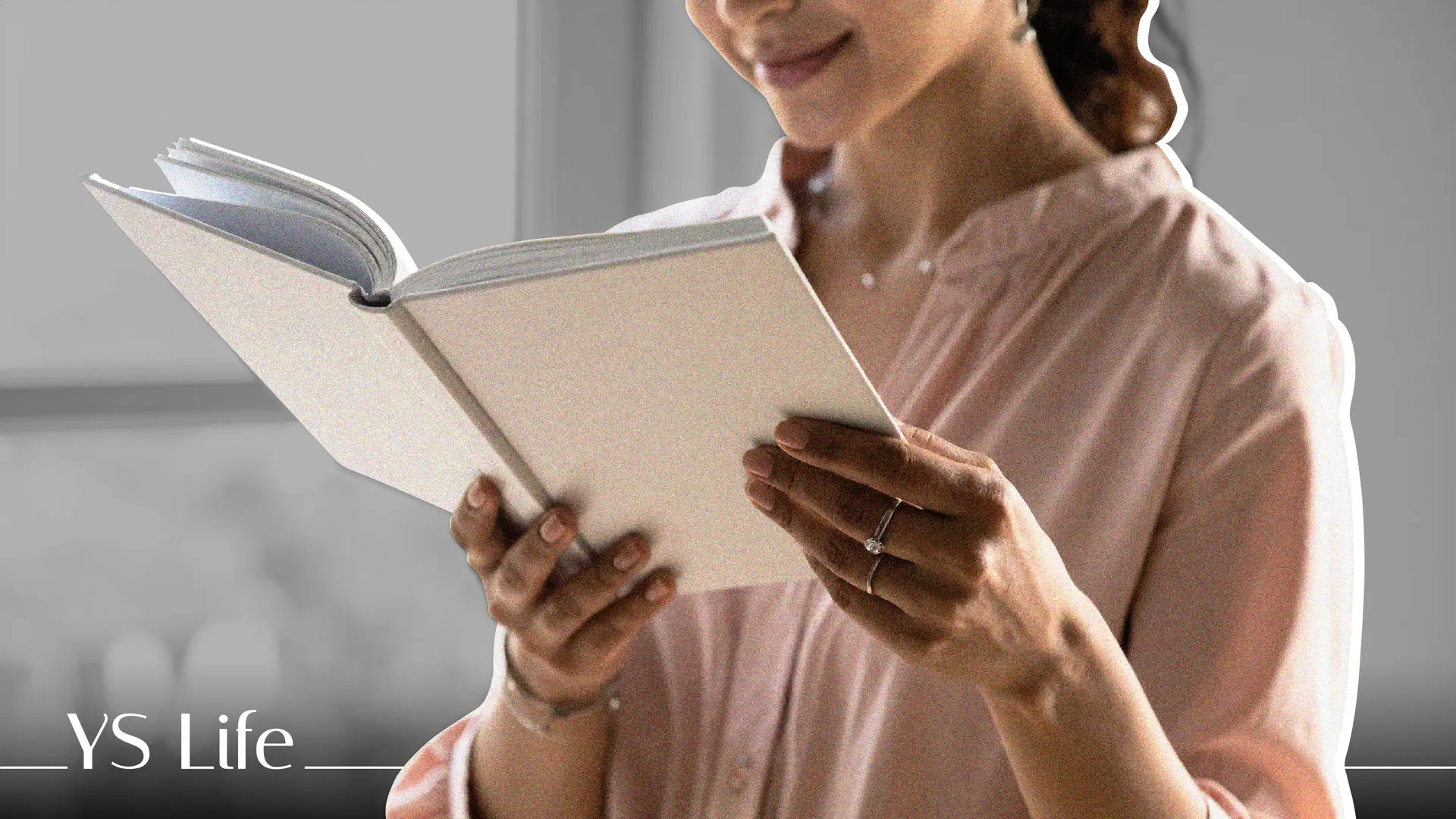

In an age where personal style is often an extension of personal values, the choices young consumers make around jewellery are evolving to include both tradition and intention. What’s emerging is a generation that prizes material integrity, emotional clarity, and design intelligence over convention.
For many, platinum fits the bill, not as a trend, but as a timeless choice rooted in meaning.
At the heart of platinum’s growing relevance lies its inherent value. Unlike many metals that are altered or alloyed to meet commercial demands, platinum in its pure form is uncompromising. It is 95% pure—that is, denser, stronger, and more enduring than gold.
Its natural white doesn’t require plating or enhancement. It doesn’t fade, tarnish, or lose its essence with time. This permanence, both aesthetic and structural, makes platinum a compelling choice for younger consumers, who are increasingly seeking products that reflect longevity, resilience, and thoughtful design.
The design appeal of platinum lies in its ability to do more with less. As a naturally white metal, it accentuates the brilliance of any stone it holds. This is why platinum has historically been the metal of choice for setting precious gems, especially diamonds.
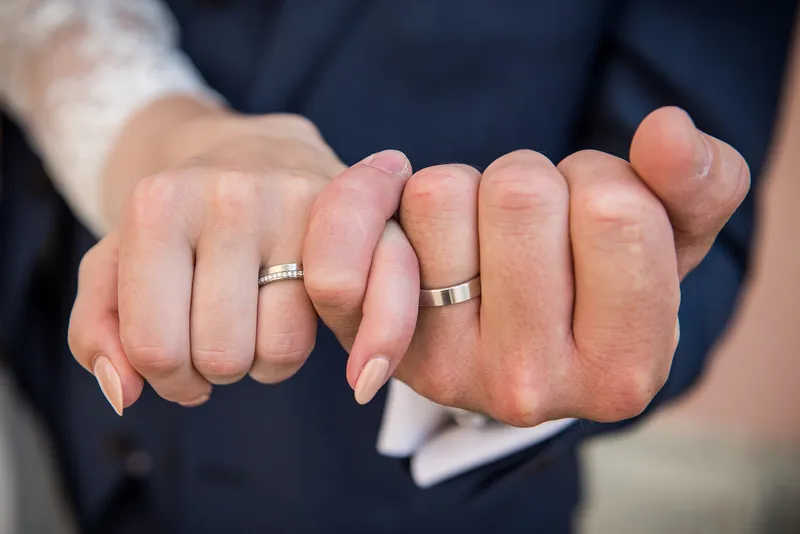
Image source: Shutterstock
But even without embellishment, platinum holds its own. Its density allows for intricate detailing and sculptural detailing that remain intact over time. This makes it ideal for modern, minimalist, or even architectural jewellery styles that speak to consumers’ affinity for clean lines, symbolic forms, and pieces that function as personal markers.
As the boundaries between everyday wear and occasion wear blur, platinum offers the kind of quiet versatility today’s consumers value. Its natural patina—developed over years of wear, is not seen as imperfection but as a testament to lived experience. In that sense, platinum doesn’t just age well; it ages meaningfully.
Platinum is also 30 times rarer than gold and found in only a few parts of the world, making it feel more special to own. When something is inherently rare, it is approached with greater care and consideration. For a generation rethinking consumption as a reflection of identity, platinum becomes not just a metal, but a statement.
Self-expression through form
What stands out most in this cohort’s approach to jewellery is not rebellion, but refinement. They are not rejecting adornment; they are rethinking it. Jewellery is still worn to mark relationships, milestones, or moments of personal clarity. But the emphasis is on emotional resonance, not social performance.
In this context, platinum has emerged as a favoured material for diverse categories—from commitment bands, to self-purchased jewellery for women and men. Platinum jewellery is emblematic of moments of transformation or independence. It speaks in a design language that is subtle but assertive, and can hold narrative without demanding spectacle. Platinum, in many ways, is coming to be the material metaphor of this generation: rare, resilient, quietly confident, and intentional.
Looking forward
As we look at the evolving preferences of young Indian consumers, across metros and smaller towns alike, it’s clear that design sensibility and material values are converging. Platinum’s relevance isn’t driven by storytelling alone; it is anchored in its intrinsic properties. Its appeal is not manufactured; it is pure, resilient and authentic.
For anyone in the business of jewellery, whether as a designer, a retailer, or a consumer, the rise of platinum is a signal—a shift from trends to pieces that endure. Because when meaning matters, materials matter too. And platinum, quite simply, holds up to the test of time.
(The author is the Deputy Country Manager, India & Middle East, Platinum Guild International)
Edited by Jyoti Narayan
(Disclaimer: The views and opinions expressed in this article are those of the author and do not necessarily reflect the views of YourStory.)