



Beyond the wok: Chef Raymond Wong on flavour, technique, and tradition
Chef Raymond Wong, Master Chef at Hakkasan and Yauatcha India, talks about taking traditional Cantonese bases and presenting them in a modern way.

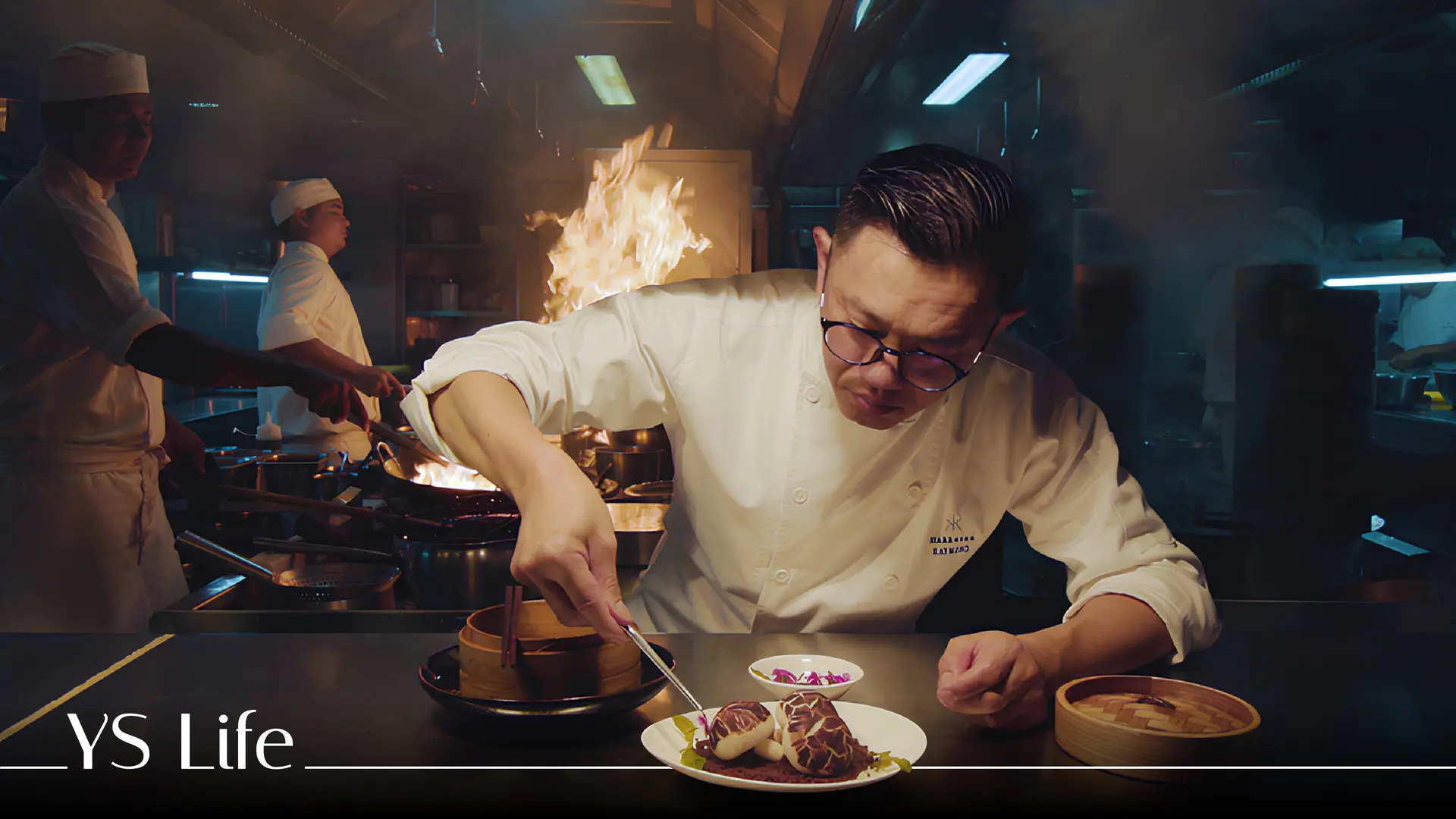

For Chef Raymond Wong, Master Chef at popular Cantonese restaurant brand Hakkasan and Yauatcha (in Bengaluru, Mumbai and Kolkata), cooking has never been just about food.
“It’s about listening, staying curious, and respecting where you come from while exploring where you can go,” he says.
The Malaysian-Chinese began his culinary journey at the age of 16, in his father’s small eatery. “I remember the sounds and smells more than anything else—the crackling of the wok, the aroma of garlic sizzling in hot oil, the quiet rhythm of prep before service.”
It was his father who encouraged Chef Wong to follow his passion of seeing the world through food. His mother too played a huge role, by running the home kitchen with quiet precision and creating flavourful meals. “It felt like home from the very beginning,” Chef Wong says, talking about being in the kitchen.
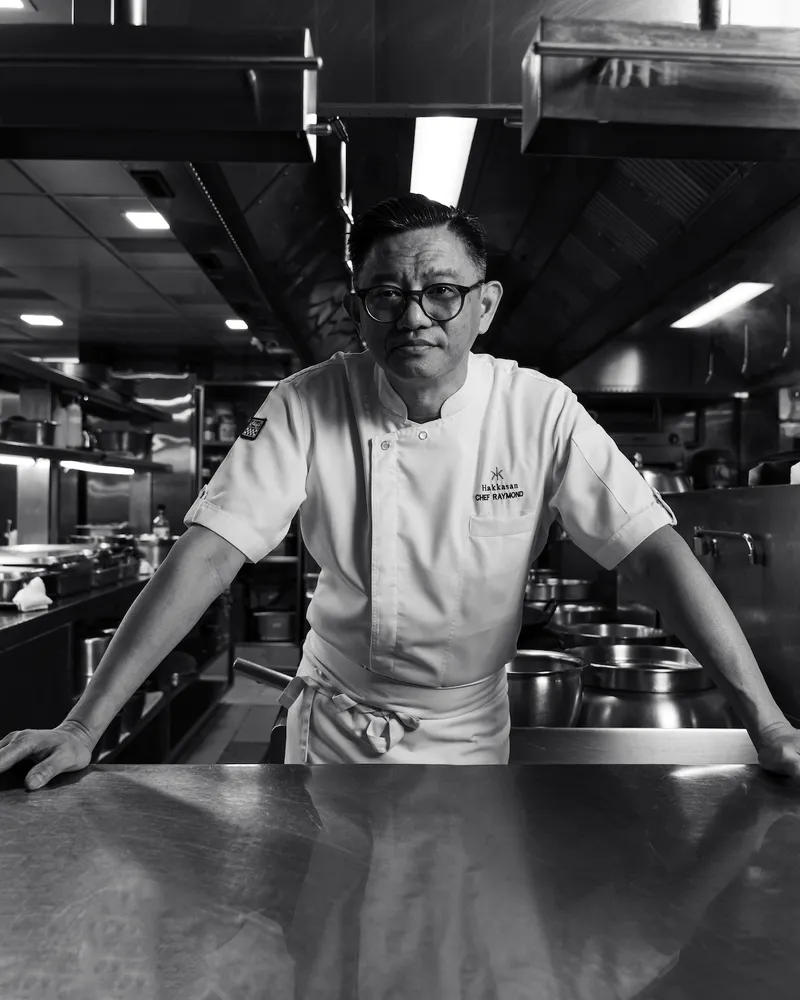
Chef Raymond Wong
Taking up his first international gig at the age of 20 in Brunei, Chef Wong has travelled across the world over the last two decades, cooking at the kitchens of Intercontinental in Cambodia, Conrad Bangkok, Imperial Palace Waterpark, Resort and Spa in Philippines, Novotel in Myanmar, Resorts World in Genting, and for Star Cruises, before joining the Hakkasan Group in 2017. He later joined the Aditya Birla Group as the Master Chef of Hakkasan and Yauatcha.
In a conversation with YS Life, Chef Wong opens up about Cantonese cuisine, adapting classical techniques for the evolving Indian palate, and walking the fine line between reinvention and respect for tradition.
Edited excerpts from the interview:
YourStory Life [YSL]: You have worked across ten countries, from Malaysia to Singapore and Mauritius. How have these global experiences influenced your interpretation of Cantonese cuisine?
Raymond Wong [RW]: Each place has left its mark on how I approach Cantonese food. I’ve seen how techniques travel, how flavours shift with local palates, and how ingredients adapt to the climate and culture. My foundation remains rooted in classical Cantonese methods, but I’ve learned to think more expansively—whether it’s incorporating local herbs or being inspired by the plating aesthetics in France or the spice balance in India.
YSL: You speak of the chef’s coat as a symbol of pride and purpose—what does that uniform mean to you today, after more than 30 years in the kitchen?
RW: It’s still a moment of honour every time I put it on. The coat reminds me of the responsibility I carry—not just to lead a kitchen, but also to represent a culinary heritage. It also keeps me grounded. No matter where I’ve worked or how many kitchens I’ve led, the chef’s coat brings me back to that 16-year-old boy in his father’s kitchen.
YSL: As the head chef at Hakkasan and Yauatcha in India, how do you balance staying true to classical Cantonese technique while also appealing to the modern Indian palate?
RW: The key is integrity. I never compromise on the technique or the soul of a dish. But I do stay mindful of the Indian palate—its appreciation for boldness, for layered flavours, and for variety. Sometimes that means balancing textures differently or elevating spice in a subtle way. But I always start from authenticity, then adapt with intention.
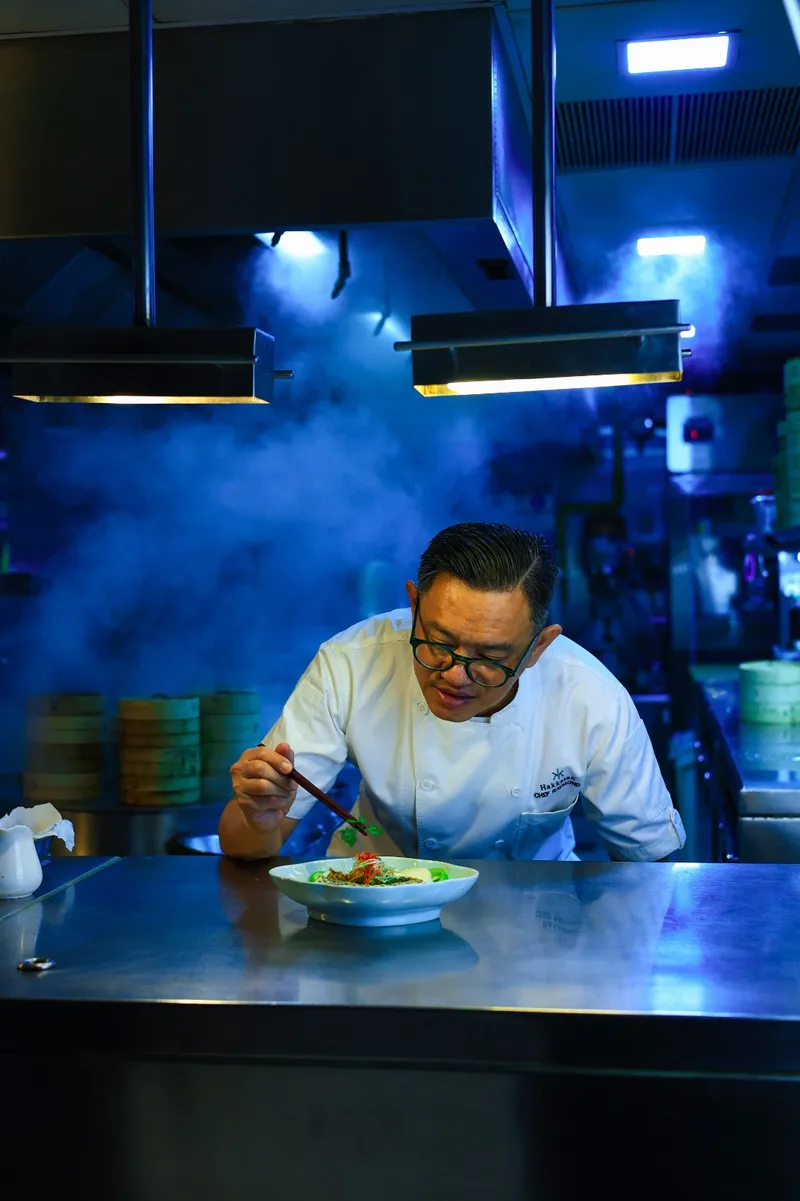
YSL: Take us through your creative process—how you use traditional Cantonese bases but present them in a modern way.
RW: It often begins with a classic, something I’ve cooked a hundred times. Then I think: How can this evolve without losing its identity? Sometimes the answer lies in reworking the presentation, sometimes it’s a seasonal ingredient that brings a new dimension. I always sketch the dish out in my mind first—texture, colour, balance—before testing in the kitchen. There’s a lot of trial, a lot of tasting, and always a story I want to tell through each plate.
YSL: Do you face challenges to draw a line between reinvention and respect for tradition?
RW: Absolutely. Reinvention can be exciting, but tradition is sacred. It’s a line I navigate carefully. I believe if a dish is rooted in technique and respect, it can carry innovation gracefully. But I’m always cautious not to innovate for the sake of novelty. Every element must have a reason to be there.
YSL: Being a good cook is one thing, but to be a head chef in a commercial kitchen requires one to be more than just good at cooking. What are some of the challenges you face when working in a busy kitchen?
RW: A kitchen is like a living organism—every station, every person, every ingredient matters. As a head chef, you’re not just cooking; you’re leading, managing time, quality, people, and emotions. One challenge is nurturing consistency while giving young chefs space to grow. I believe in mentorship through example—patience, precision, and presence. I try to create a culture where curiosity is encouraged, mistakes are learning moments, and collaboration is key.
YSL: With regional Asian food gaining so much popularity and love across India, how do you ensure that Cantonese food remains relevant?
RW: By staying true to its elegance. Cantonese food is subtle, it celebrates the ingredient. In a market that’s often drawn to spice and drama, it’s about reminding people of the power of restraint and balance. At Hakkasan and Yauatcha, we make sure every dish tells that story—whether it’s a classic dumpling or a new-age bao. We also engage diners with storytelling, introducing them to the heritage behind each bite.
YSL: What’s one dish on your current menu that you feel most personally connected to, and why?
RW: The stir-fry chicken with fragrant lemongrass chilli sauce is one of many dishes that I personally connect with because it has a strong Southeast Asian flavour. The flavour is inspired by Mee Goreng, and the dish is popular across Malaysia with all three ethnicities including Malays, Indians and Chinese. Also, since I am a Malaysian Chinese, I have also incorporated the Malay flavours in this dish.
YSL: Looking ahead, how do you see the role of modern Cantonese cuisine evolving in India, and what kind of culinary legacy do you hope to leave behind?
RW: India has a deep appreciation for flavour, storytelling, and tradition—and that aligns beautifully with the essence of Cantonese cuisine. Over the years, I’ve seen Indian diners become more curious, adventurous, and open to nuanced, regional Asian flavours. Modern Cantonese food, with its balance, subtlety, and room for innovation, has found a natural home here.
I believe the future lies in honouring heritage while continuing to evolve—introducing new techniques, seasonal ingredients, and global influences without compromising the soul of the cuisine. My hope is to leave behind more than just memorable dishes. I want to build a culinary culture rooted in discipline, creativity, and respect for ingredients, for the craft, and for the team behind the kitchen doors.
If there’s a legacy I wish to leave, it is this: that modern Cantonese cuisine in India continues to thrive as both an art form and a bridge—connecting people, cultures, and stories one plate at a time.
Edited by Swetha Kannan