



5 must-read books to master money in just one day
Learn smart money habits in just one day with these 5 must-read books that simplify saving, investing, and financial growth for beginners.


Money might not buy happiness—but it does buy freedom, stability, and peace of mind. Yet, for many, personal finance feels like a confusing puzzle of numbers, budgets, and investments. The truth? It doesn’t have to be.
In fact, you can gain a solid understanding of money management in just a single day—if you pick the right books. The following five reads are designed to simplify finance, making it approachable, empowering, and actionable. Whether you’re a beginner trying to understand savings and credit or someone ready to invest smarter, these books will help you take control of your finances without being overwhelmed.
5 must-read books to master money in just one day
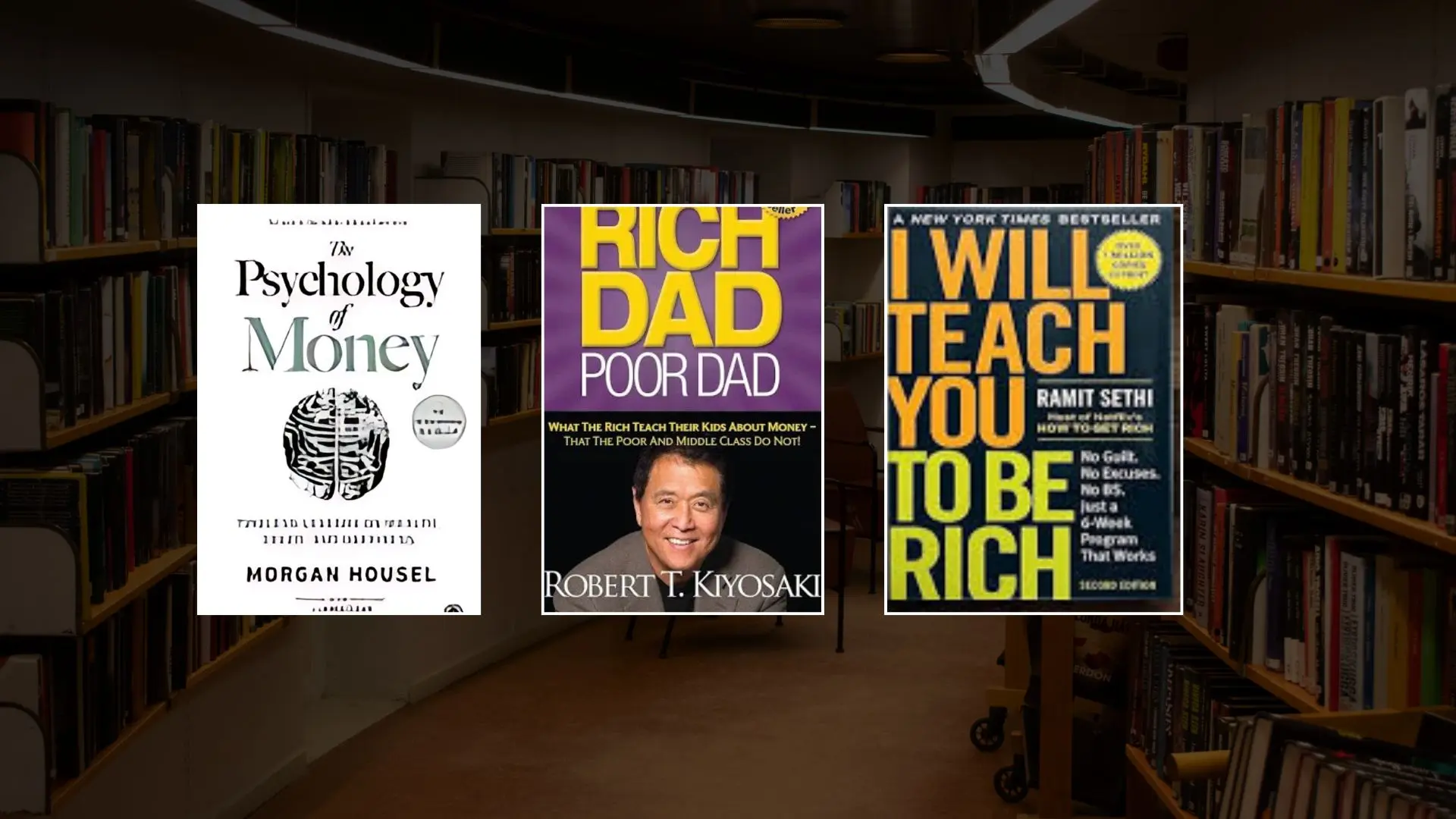
1. The Psychology of Money by Morgan Housel
Why Read It: Because understanding money starts with understanding yourself.
Morgan Housel doesn’t talk about charts or complex investment models—instead, he explains why we make irrational financial decisions and how emotions shape our money habits. This book blends storytelling with real-life examples that help you see money as more than just numbers.
What You’ll Learn:
- How wealth is as much about behaviour as knowledge.
- Why time, patience, and consistency matter more than timing the market.
- How to build lasting wealth by focusing on habits, not luck.
Best for: Anyone who wants to rethink their relationship with money on a psychological level.
2. Rich Dad Poor Dad by Robert T. Kiyosaki
Why Read It: Because it challenges everything you thought you knew about money.
Robert Kiyosaki’s timeless bestseller compares two father figures—one who works for money and another who makes money work for him. It teaches readers how to shift from being an employee to thinking like an entrepreneur and investor.
What You’ll Learn:
- The difference between assets and liabilities.
- Why financial education is more important than formal education.
- How to achieve financial independence through smart investments.
Best for: Beginners who want a mindset shift toward financial freedom.
3. I Will Teach You to Be Rich by Ramit Sethi
Why Read It: Because it gives you a step-by-step plan to handle your money effortlessly.
Ramit Sethi’s approach is refreshingly practical—no unrealistic budgets or extreme saving hacks. In this book, he teaches how to automate your finances, grow your wealth, and spend guilt-free on things you love.
What You’ll Learn:
- How to set up automatic systems for saving, investing, and spending.
- The psychology of guilt-free spending.
- How to negotiate salaries, fees, and interest rates.
Best for: Young professionals who want a clear, realistic money plan that actually works.
4. Your Money or Your Life by Vicki Robin and Joe Dominguez
Why Read It: Because it helps you redefine what “enough” really means.
This book goes beyond spreadsheets—it’s about transforming your relationship with money to live a more meaningful life. It teaches readers how to align spending with values and regain control over their time.
What You’ll Learn:
- How to track and reduce unnecessary expenses.
- Why money equals life energy—and how to spend it wisely.
- A nine-step plan to reach financial independence.
Best for: Those seeking a balance between financial freedom and personal fulfilment.
5. The Simple Path to Wealth by JL Collins
Why Read It: Because financial independence doesn’t have to be complicated.
Originally written as letters to his daughter, JL Collins simplifies investing in a way that anyone can understand. It’s a friendly guide to building wealth through index funds, saving, and long-term discipline.
What You’ll Learn:
- Why low-cost index funds are the safest investment choice.
- How to avoid debt traps and unnecessary risks.
- How compound interest quietly builds wealth over time.
Best for: Readers who want an easy, proven roadmap to financial independence.
Final Thoughts
You don’t need an MBA to understand money—you just need curiosity and the right guidance. These five books can teach you how to manage, save, and invest smartly without feeling lost in financial jargon.
Set aside just one weekend—or even 24 hours—and dive in. Each page brings you closer to confidence, control, and the kind of financial freedom you’ve always wanted.
Because at the end of the day, mastering money isn’t about luck—it’s about learning.