



How a digital detox can supercharge your productivity?
Learn how reducing screen time through a digital detox can double your efficiency, improve focus, and enhance overall productivity at work.

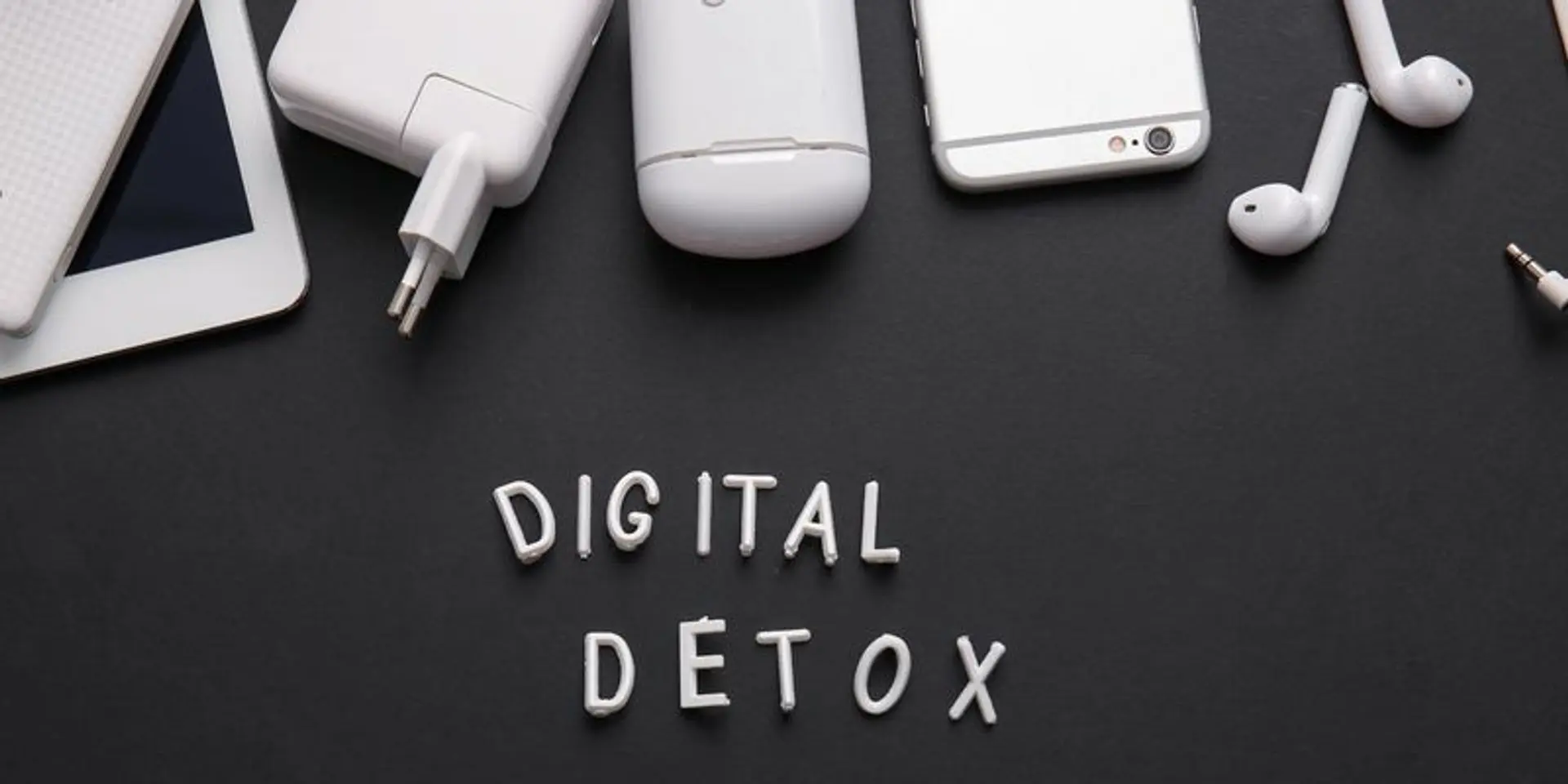

We live in a world where screens dominate nearly every part of our lives—smartphones, laptops, tablets, and TVs constantly compete for our attention. Technology helps us stay informed and connected, but it also fragments our focus and exhausts our minds.
Research shows that the average person spends over seven hours a day on screens. Even a single interruption—like checking a message—can take up to 23 minutes for the brain to regain focus. Over time, this constant digital engagement can make you feel busy without actually being productive.
That’s where a digital detox comes in. By intentionally reducing screen time, you allow your brain to rest, improve your attention span, and enhance overall efficiency. Let’s explore how screen time affects productivity, and how unplugging—even partially—can transform the way you work and think.
How screen time affects productivity
Excessive screen use impacts productivity in subtle but powerful ways. The constant exposure to digital devices reshapes how we focus, think, and even rest.
1. Distraction overload
Notifications, emails, and social media updates keep your brain in a state of alertness. Each ping triggers a dopamine response—the same chemical linked with addiction—which makes it harder to resist checking your phone. Over time, this trains your brain for short bursts of attention rather than deep concentration. The result? You might spend hours “working,” yet get very little meaningful work done.
2. Mental fatigue
Your brain wasn’t designed to process nonstop digital input. When you constantly switch between screens, tabs, and apps, your mental energy drains faster. This leads to decision fatigue—a reduced ability to make sound judgments, solve problems, or think creatively.
3. Reduced focus and deep work
True productivity requires deep work—long, uninterrupted periods of focus. But frequent multitasking between messages, notifications, and tasks prevents your brain from entering this high-efficiency state. Studies have shown that people who frequently check their devices experience up to 40% lower productivity compared to those who work without interruptions.
4. Sleep disruption
Exposure to blue light from screens suppresses melatonin, the hormone that helps regulate sleep. Late-night scrolling or working can delay sleep cycles, resulting in poor rest and lower energy levels the next day. Poor sleep directly affects attention span, mood, and work efficiency.
Benefits of a digital detox
Reducing screen time goes beyond mental health—it can directly improve how efficiently you think and perform daily tasks.
1. Enhanced focus and cognitive clarity
When you reduce distractions, your brain can devote full attention to one task at a time. This not only increases output quality but also helps you complete complex tasks faster. With fewer interruptions, your mind can sustain concentration for longer stretches, making your workday more productive.
2. Higher efficiency and energy levels
By taking breaks from screens, you give your mind a chance to recharge. Just as your body needs rest between workouts, your brain functions best when it alternates between high-focus work and digital rest. You’ll notice you can complete the same amount of work in less time and with less effort.
3. Improved creativity
Creativity thrives when the mind has space to wander. Constant scrolling and consuming content prevent your brain from generating original thoughts. A digital detox encourages daydreaming, reflection, and creative problem-solving—skills that often get buried under constant notifications.
4. Better mental well-being
Limiting exposure to social media reduces comparison, anxiety, and information overload. A detox creates room for mindfulness, gratitude, and self-awareness—elements essential for sustained motivation and productivity.
5. Quality sleep and recovery
A screen-free evening allows your body to naturally wind down. When you sleep better, you wake up refreshed, alert, and ready to perform at your peak the next day.
Practical tips to reduce screen time
A digital detox doesn’t have to be extreme or all-at-once. Gradual, consistent steps can help you regain control of your attention.
1. Set clear digital boundaries
Define specific times for checking emails, texts, and social media. For example, allocate 30 minutes in the morning and evening for communication rather than responding instantly. Turn off non-essential notifications—this simple act can drastically reduce digital interruptions.
2. Schedule tech-free periods
Dedicate blocks of time during your day where screens are off-limits. Use these hours for focused work, reading a physical book, journaling, or engaging in creative brainstorming. Even short tech-free windows (like during meals or morning routines) can make a noticeable difference in mental clarity.
3. Replace screen habits with healthy alternatives
When you feel the urge to check your phone, replace it with a physical activity—stretching, deep breathing, or taking a short walk. Reintroduce offline hobbies such as painting, gardening, or playing a musical instrument. These activities activate different parts of your brain and reduce dependency on digital stimulation.
4. Track and evaluate your usage
Awareness is the first step toward change. Use apps like RescueTime, Digital Wellbeing, or Screen Time to track your daily digital habits. Identify high-usage patterns—like mindless scrolling at night—and consciously work to cut them down.
5. Create a screen-free sleep routine
Avoid screens at least 30–60 minutes before bedtime. Replace that time with reading, journaling, or meditation. Dimming lights and keeping devices out of the bedroom can also improve sleep quality and help you fall asleep faster.
Conclusion
A digital detox isn’t about rejecting technology—it’s about using it with purpose. When you set boundaries, manage distractions, and allow your mind to rest, you give yourself the chance to perform at your best.
Start small: identify your biggest digital distractions and set one goal—like avoiding your phone during meals or before bed. As you gradually extend these habits, you’ll find yourself completing tasks faster, thinking more clearly, and feeling more energised throughout the day.
In a world that’s always online, your greatest productivity hack may simply be to unplug.