



IIT-Madras incubated Muse Wearables launches tap-to-pay smart ring with NPCI
Muse allows users to make instant, secure payments by tapping their wearable smart ring named "Ring One" on any NFC (near field communication) enabled payment device with no phone, card, or wallet required.

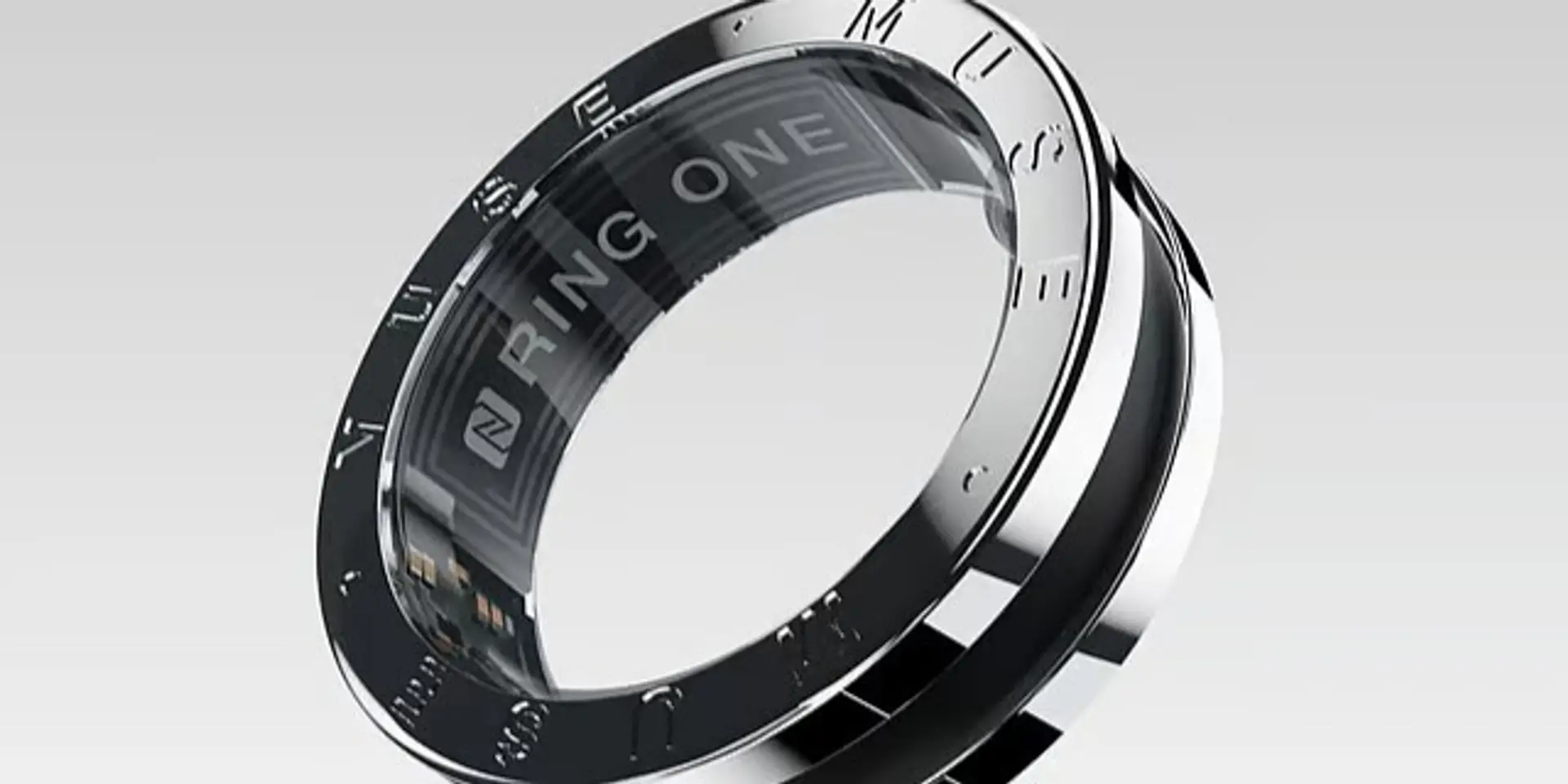

Muse Wearables, an IIT-Madras incubated startup, has partnered with the National Payments Corporation of India (NPCI) to launch India's first wearable payments ecosystem, officials said on Monday.
The new ecosystem allows users to make instant, secure payments by tapping their wearable smart ring named "Ring One" on any NFC (near field communication) enabled payment device with no phone, card, or wallet required.
Headquartered in Bengaluru with operations in the US, Europe, and other regions, Muse Wearables is a 200-member deeptech company designing and manufacturing cutting-edge products.
"We are taking on foreign tech giants in the digital wallet ecosystem by creating a truly sovereign alternative for India. This proves that world-class technology can be built right here in India," said KLN Sai Prasanth, Co-Founder and CEO, Muse Wearables.
"With Muse Wallet, we are making cashless payments effortless. In the next two years, we aim to enable millions of RuPay cardholders to experience the convenience of wearable payments," he added.

Muse Wallet enables any RuPay credit or debit card to be converted into a secure digital token and stored directly inside a tamper-resistant Secure Element (SE) chip, the same grade of hardware security used in bank cards and passports, he said.
This ensures complete isolation of sensitive credentials from the phone’s operating system or applications.
Elaborating on the technology behind this product, Prathyusha Kamarajugadda, Co-Founder and COO, Muse Wearables, said, "We are building India’s first Secure Element Tokenisation Platform, enabling users to add any RuPay card and pay instantly, no phone, no wallet, just a tap of your ring.
"It is a proud moment to see an idea born in India set a new benchmark for personal technology globally," she said.