



RBI not a ‘pushy regulator,’ but fintechs still keep distance, says RBI ED
Speaking at Global Fintech Fest 2025, P Vasudevan, RBI ED, said, that despite repeated efforts by the RBI to open channels of dialogue, including sandbox programmes, hackathons, and public consultations, attendance from fintech companies remains anaemic.

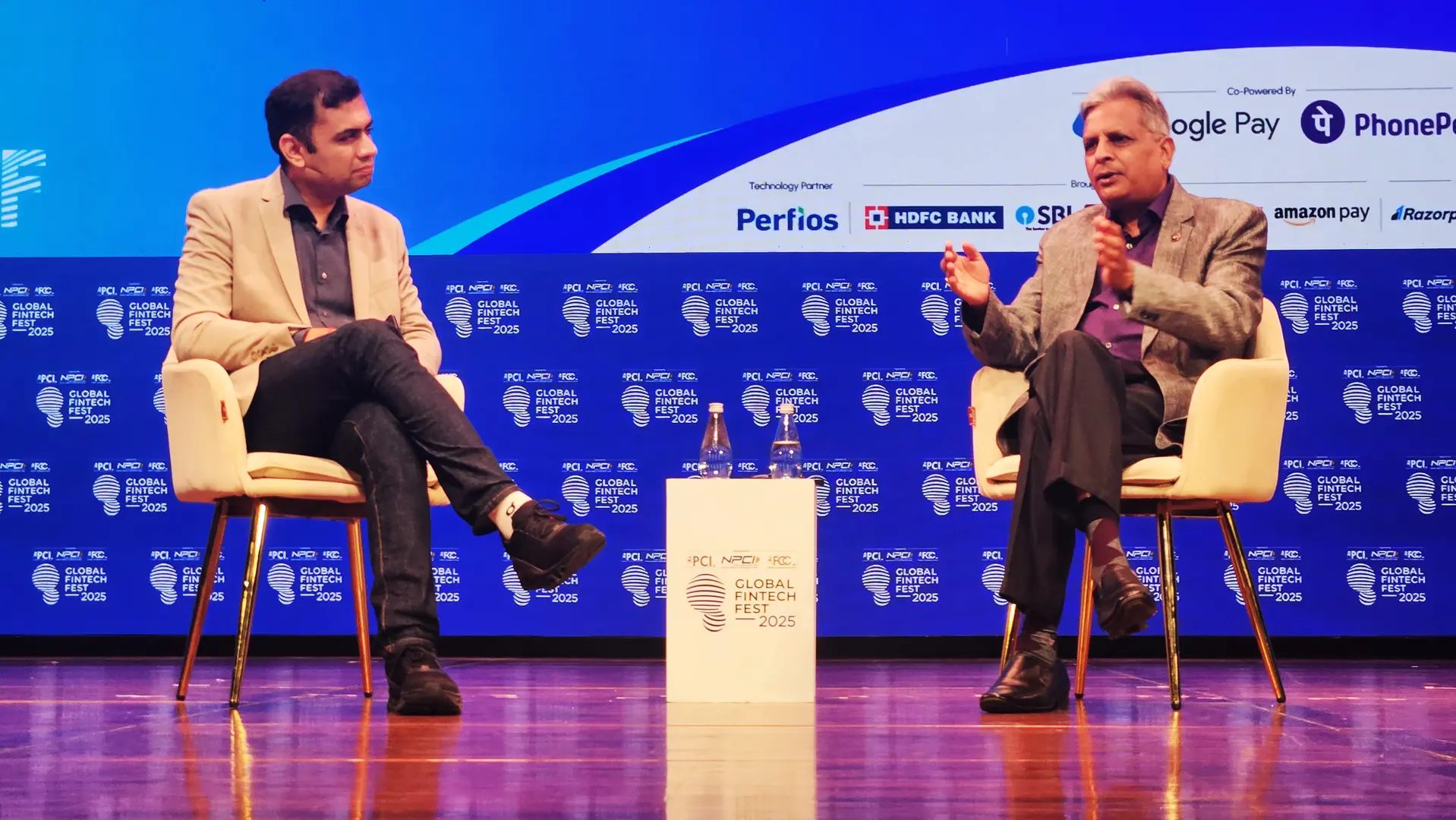

At the Global Fintech Fest 2025, P Vasudevan, RBI ED, who is also on the Board of Reserve Bank Innovation Hub (RBIH), said, India’s financial technology industry remains wary of engaging directly with the central bank, warning that such hesitation could slow innovation.
Vasudevan said that despite repeated efforts by the Reserve Bank of India (RBI) to open channels of dialogue, including sandbox programmes, hackathons, and public consultations, attendance from fintech companies remains anaemic.
“When we do outreach events, only about a hundred or two hundred people turn up,” he said, adding that thousands of licensed or registered firms are active in the sector. “Many companies are afraid to even come and talk to us.”
To put things in perspective, the Global Fintech Festival saw attendance from over 7,500 companies.
Vasudevan stressed that the central bank “does not want to be seen as a pushy regulator” and urged fintechs to view the RBI as a partner rather than an adversary. The RBI, he said, often develops frameworks only after business models have matured, pointing to payment aggregators as an example of regulation that evolved after widespread adoption.
At the same time, Vasudevan criticised what he described as a “trust deficit” within the fintech community itself. Companies, he said, refuse to share data on fraud and merchant behaviour, preferring secrecy to collaboration. “Nobody looks at the other as a friend who can be trusted upon,” he said. “If data were shared for the benefit of the ecosystem, we could do much more.”
He called on the industry to take responsibility for consumer education and fraud prevention rather than waiting for government-led campaigns, arguing that dependence on the RBI for every problem “is a sign of immaturity.” Among his proposals: an industry-maintained whitelist and blacklist of merchants to enhance transparency and reduce fraud risk.
“Public-private partnerships and cooperation between competitors are not optional anymore,” Vasudevan said. “When the size of the problem is this enormous, collaboration is the only way forward.”
Razorpay Chief Harshil Mathur added that fraud management should not be viewed as a competitive advantage. When customers face fraud, they don't distrust individual companies—they lose trust in digital payments as a whole.
"So I really think that there's a lot more work to be done, and fraud is getting so much more sophisticated today that it's very hard to fight it if you don't share your information. So hopefully we'll see a lot more examples of that now that the ecosystem is reaching some sort of maturity," Mathur added.
Edited by Jyoti Narayan