


Stablecoins offer speed and flexibility but challenge central banks, experts say
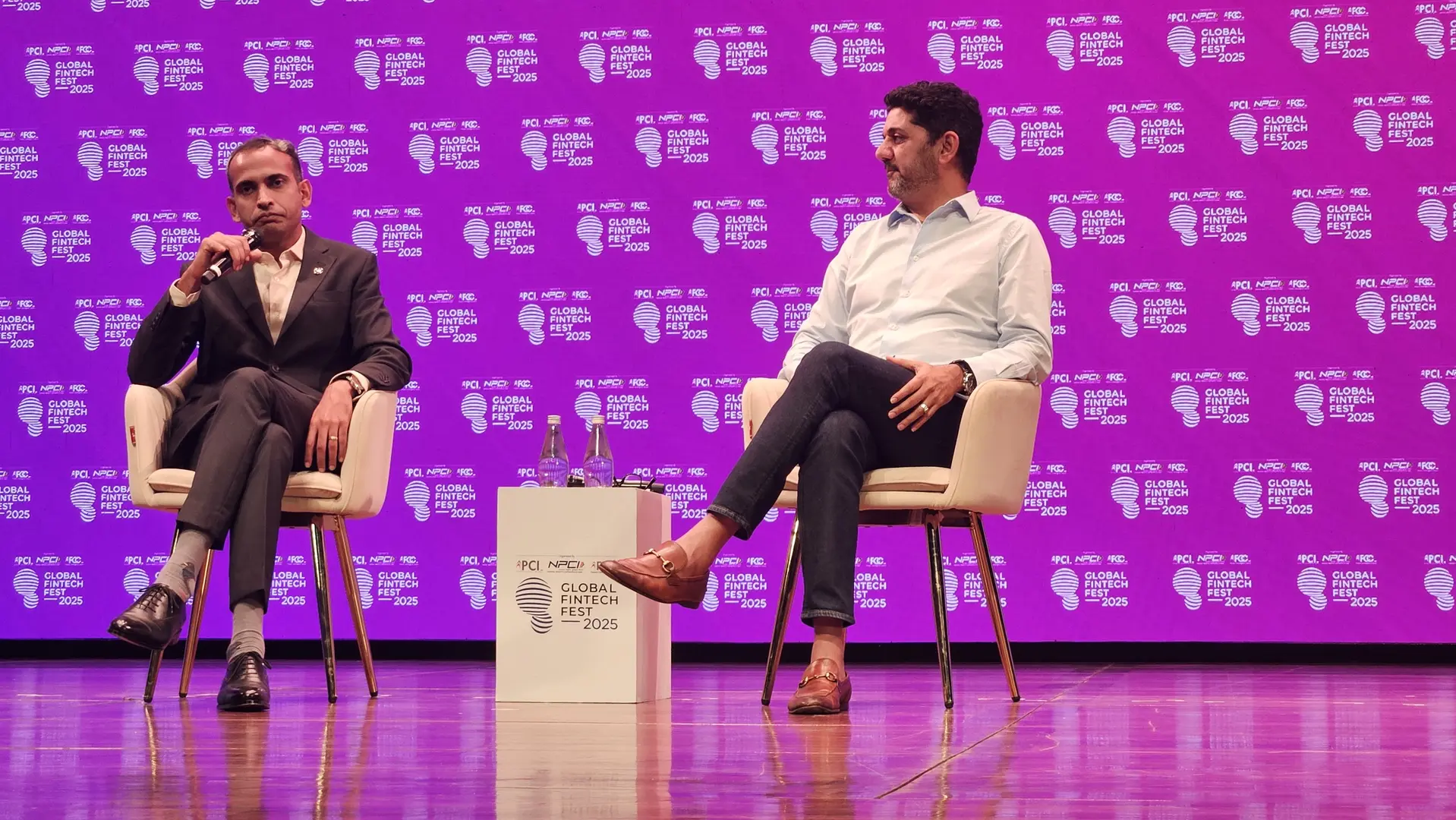
At a recent discussion between Amrish Rau, CEO of Pine Labs, and Sahil Kini, CEO of the Reserve Bank Innovation Hub (RBIH), at the Global Fintech Festival 2025 the two executives outlined how programmable digital money could reshape India’s financial system.


Finance Minister Nirmala Sitharaman’s remarks that countries must “prepare to engage” with stablecoins have reignited debate over India’s approach to digital currencies.
At a recent discussion between Amrish Rau, CEO of Pine Labs, and Sahil Kini, CEO of the Reserve Bank Innovation Hub (RBIH), at the Global Fintech Festival 2025, the two executives outlined how programmable digital money could reshape India’s financial system.
Rau said stablecoins and programmable currencies could make transactions faster and more efficient by allowing money to be tagged for specific uses—such as payments for healthcare, food, or fuel. He described the idea of “colored rupees” that can only be spent for designated purposes, enabling transparency and reducing misuse of funds.
Kini agreed that programmability was a major step forward but emphasised that India’s Central Bank Digital Currency (CBDC) already includes this capability. He said the RBI is piloting purpose-based payments, such as digital subsidies that can only be used for targeted schemes or trade finance.
Kini cautioned that while stablecoins may bring innovation, they also raise concerns for central banks because they shift currency issuance outside state control. “Issuing currency is the core function of a central bank,” he noted.

Both leaders said India’s fintech infrastructure—built on platforms like UPI and account aggregators—provides a strong foundation for any future expansion into programmable money, whether through a CBDC or regulated stablecoin framework.
However, stablecoins, touted globally as the bridge between traditional finance and crypto, have little to offer in a country that already runs one of the world’s fastest, cheapest, and most interoperable payment systems.
“We already have real-time payments, instant settlement, and nationwide interoperability through UPI,” Kini said. “What exactly do stablecoins add that’s worth the monetary risk?”
Adding to the global momentum, Standard Chartered said in a report on Monday that up to $1 trillion could leave emerging market banks and move into stablecoins within three years.
“Innovations like stablecoins are transforming the landscape of money and capital flows,” Finance Minister Nirmala Sitharaman said in her address at the Kautilya Economic Conclave. “These shifts may force nations to make binary choices: adapt to new monetary architectures or risk exclusion.”
Edited by Jyoti Narayan