



From AI to Abundance: The top 10 business books of 2025
Business books in 2025 treated AI as both a subject and a tool, dived deep into geopolitics and corporate power, explored leadership and the purpose at work, and told stories of successful businesses and their leaders.



Business books have a knack for meeting the entrepreneurial moment. In 2025, avid readers and stakeholders across industries reached for books that explained how markets work and how technology, geopolitics, and purpose are reshaping them.
Interesting broad themes included artificial intelligence (AI) as both a subject and a tool, deep dives into geopolitics and corporate power, leadership and the purpose at work, and the stories of successful businesses and their leaders.
We at YourStory have curated a list of the top 10 business books that were published this year, which you should get your hands on.
(The list is in no particular order)
1929
Andrew Ross Sorkin
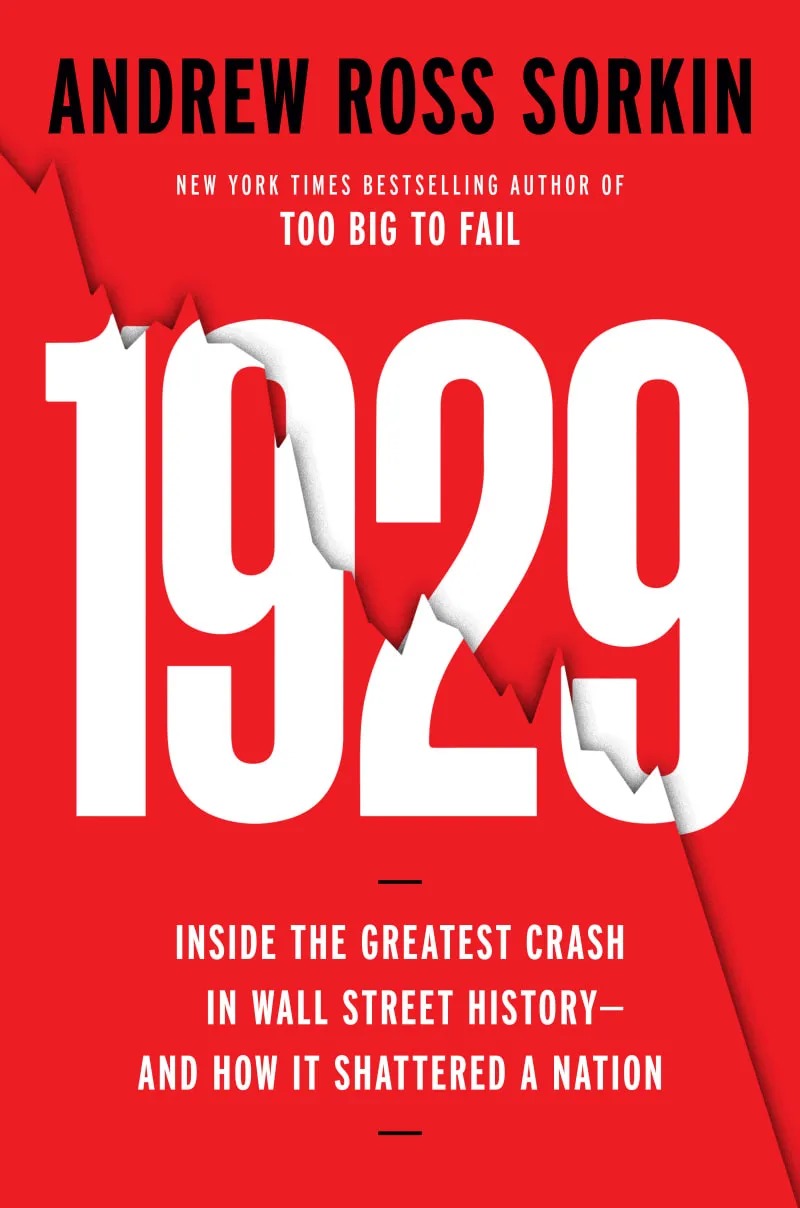
American journalist and author Andrew Ross Sorkin takes readers into the turmoil of the 1929 economic crash, when the Wall Street bull market collapsed, and fortunes vanished overnight. After studying historical records and uncovering documents, Sorkin offers a behind-the-scenes look at the clash between Wall Street and Washington, DC, during one of the most dramatic periods in global financial history.
Released in October, the book feels strikingly relevant today as soaring markets, rising political tensions and battles over financial power echo the dynamics of 1929. 1929 is a story of power, influence, psychology, the financiers who fell from grace, and the sceptics who predicted the crash yet dismissed it until it was too late. It serves as an important blueprint for understanding the cycles of speculation, the forces that drive financial upheaval, and the warning signs we ignore or don’t act upon.
Sorkin’s earlier book, Too Big to Fail, chronicling the events of the 2008 financial crisis and the collapse of Lehman Brothers, was shortlisted for the 2010 Samuel Johnson Prize and the 2010 Financial Times and Goldman Sachs Business Book of the Year Award. It won the 2010 Gerald Loeb Award for Business Book.
Careless People
Sarah Wynn-Williams
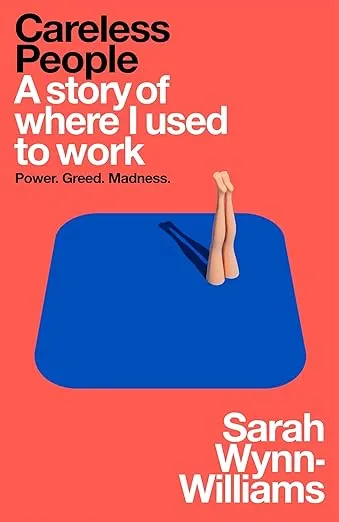
Penned by Sarah Wynn-Williams, former Director of Public Policy at Facebook (Meta), Careless People: A Cautionary Tale of Power, Greed, and Lost Idealism is a personal account and political fallout, charting Wynn-Williams’ career at one of the most influential companies in the world.
A young diplomat from New Zealand, starting her dream job for a company with the potential to change the world for the better, Williams recalls how things turned out differently as she rose to its top ranks.
Released in March, Careless People feels like a front-row seat to Facebook—from trips on private jets, encounters with world leaders, and shocking accounts from behind the scenes. This book traces the company’s journey from awkward dealings with political regimes to Mark Zuckerberg’s shock at discovering Facebook’s role in Donald Trump’s election. Along the way, the author faces the pressures and frustrations of being a working mother in an intense workplace, even as Sheryl Sandberg (former COO, Meta Platforms) pushed her to commit.
Careless People is a personal account of why and how things have gone wrong in the last decade, revealing the truth about Facebook’s leaders who grew less accountable as their power increased, and how that loss of responsibility affects everyone.
Abundance
Ezra Klein, Derek Thompson
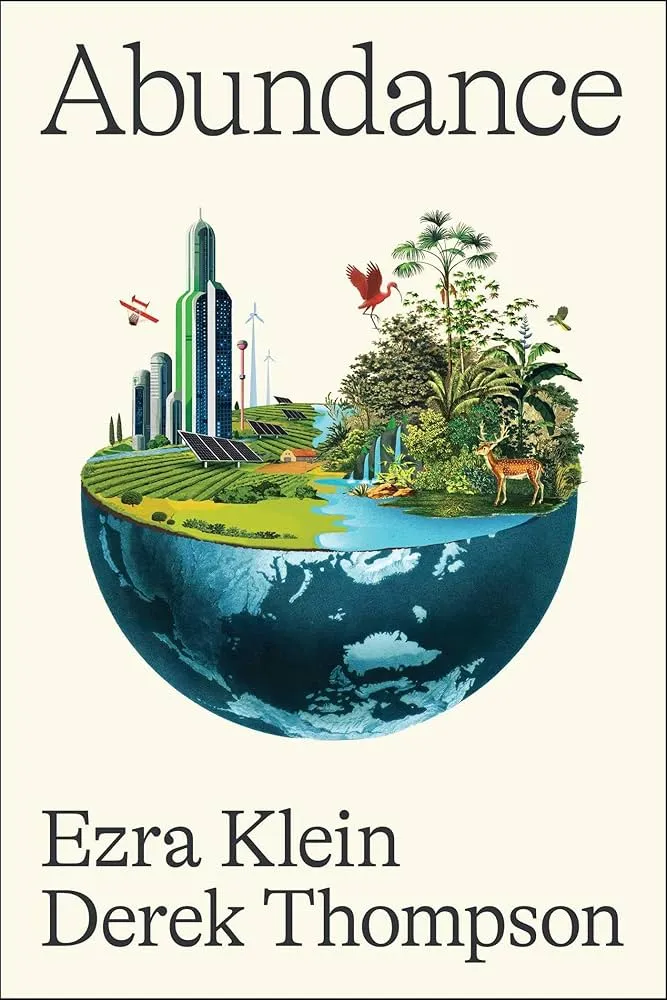
Journalists and authors Ezra Klein and Derek Thompson call their readers to rethink the big problems that we are stuck with today: climate change, housing, education, and healthcare. Abundance argues that the defining story of the 21st century is that of growing shortages, and that today's crises were decades in the making, since we failed to build for the future.
In Abundance, Klein and Thompson explain how the problems of today are not caused by villains, but are a result of decade-old solutions that have stopped working.
Laws meant to ensure decision-making in education and healthcare have now made it challenging for governments to act altogether; rules designed to protect the environment in the 1970s have slowed down the green-energy projects and have limited urban density. The book says that while our ability to identify problems has sharpened, our capacity to solve them has weakened.
Released in March, the book traces the political, economic and cultural barriers to progress and signals a shift towards an ‘abundance’ mindset, instead of scarcity, to help overcome the challenges.
Source Code
Bill Gates
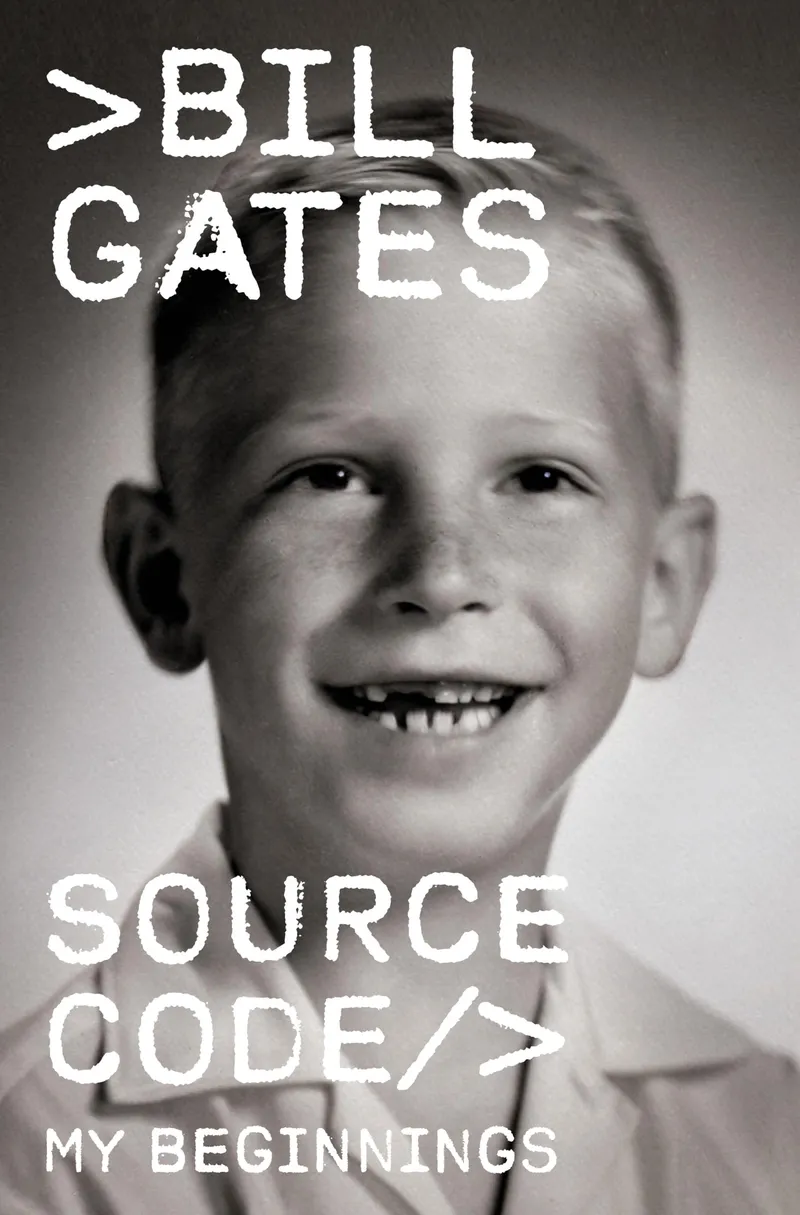
Source Code: My Beginnings is the origin story of one of the most influential business leaders and philanthropists of our times. Written by Bill Gates, the book doesn’t delve much into Microsoft, the Gates Foundation or how technology is positioned today. Instead, Gates narrates how he became the person the world knows today.
Starting with his childhood in Seattle, living with his principled grandmother and ambitious parents, Gates writes about struggling to fit in, his rebellious streak, his earliest friendships, and the sudden loss of his closest friend. These experiences sit alongside the awakening of his fascination with coding and computers.
Published in February, the book traces the beginnings of Gates’ business instincts, his midnight sessions at a local computer centre, his first partnerships, and the decision to drop out of Harvard at the age of 20 to build Microsoft with Paul Allen. Gates also reflects on his early encounters with the three Steves—Jobs, Wozniak, and Ballmer.
Inspiring and revealing, Source Code offers a rare look at the experiences that shaped Gates’s ambition, mindset, and sense of purpose.
The Thinking Machine
Stephen Witt
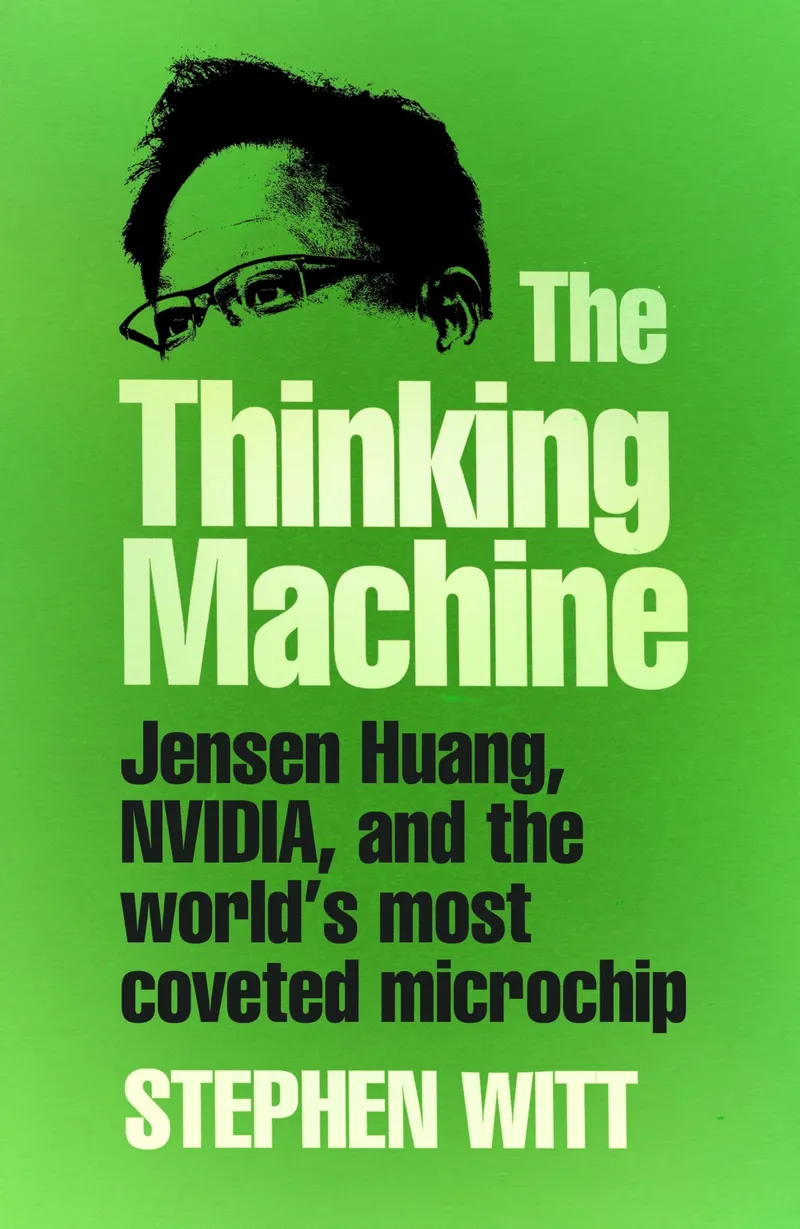
Released in April, The Thinking Machine: Jensen Huang, NVIDIA, and the World’s Most Coveted Microchip, traces the remarkable rise of NVIDIA, one of the most important companies of our time.
NVIDIA was founded as a modest video game hardware design company. Two decades later, it dominates the global AI chips market. With ChatGPT trained on its microchips, NVIDIA became among the most valuable companies in the world. And at the centre of this is Jensen Huang, the visionary CEO.
The Thinking Machine captures the journey of Huang, his friends, investors and employees as they designed the computer architecture that led to NVIDIA’s unprecedented growth. It paints the promise of an AI future, which Huang terms the “next industrial revolution.”
House of Huawei
Eva Dou
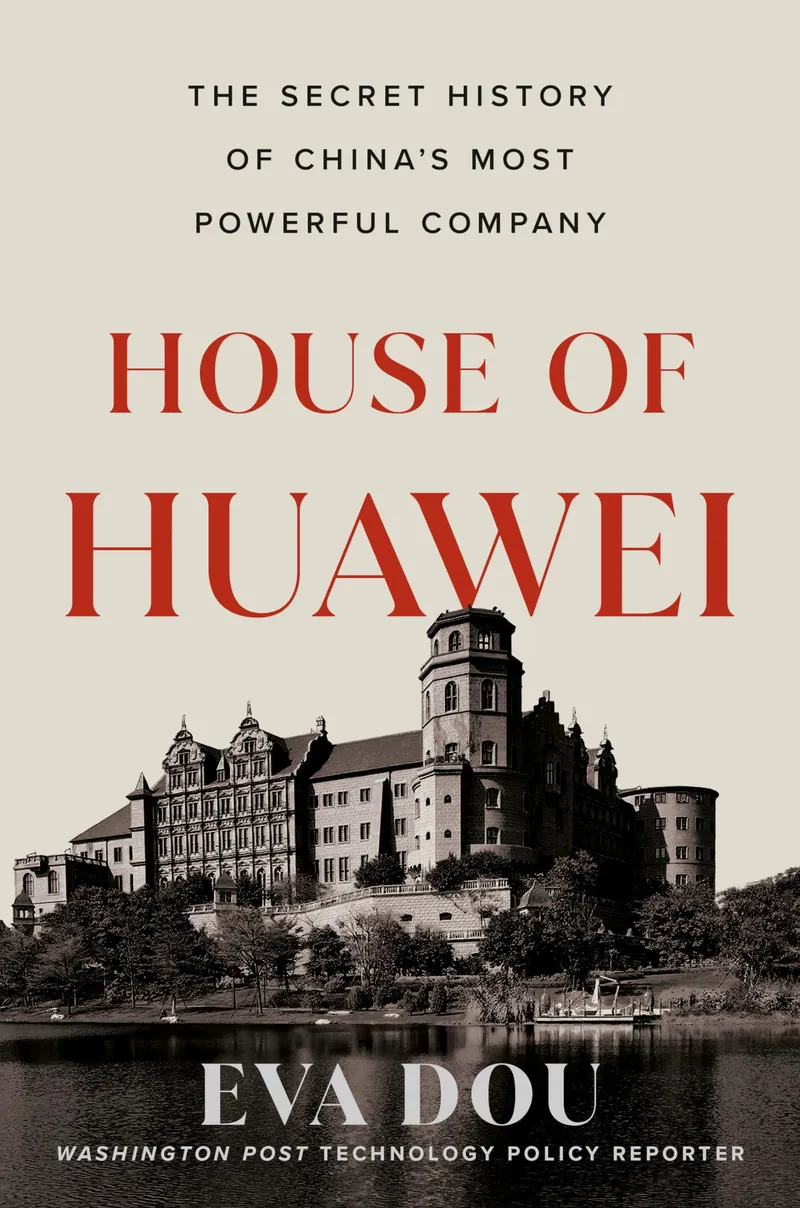
Launched in January, House of Huawei: The Secret History of China's Most Powerful Company, by Washington Post journalist Eva Dou, uncovers the story of Huawei, China’s most successful and powerful tech company.
In this deeply reported and researched story, Dou uncovers the hidden story behind Huawei’s rise and how its founder, Ren Zhengfei, built the corporate empire. Based on extensive interviews and meticulously researched archives, House of Huawei reveals the network of power, money, surveillance, national ambition and personal sacrifice that ultimately caught the company amidst the US-China rivalry.
Beyond the history of Huawei, the book portrays how trust, and sometimes the lack of it, defines global technology policies.
The Happiness Files
Arthur C. Brooks
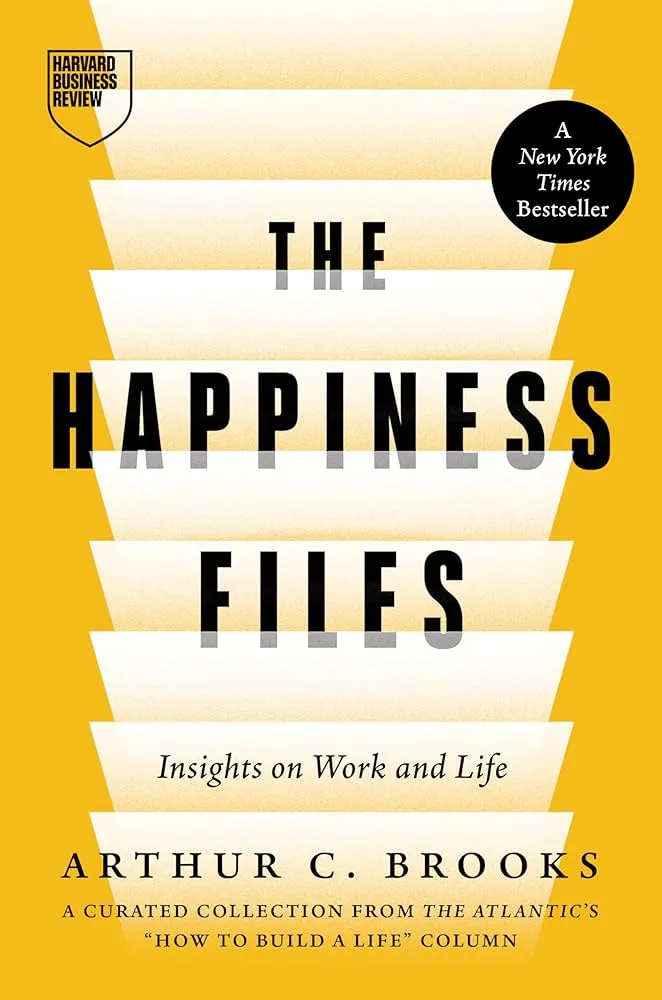
Harvard professor and author Arthur C Brooks, through his book The Happiness Files: Insights on Work and Life, offers science-backed insights on work and life. Brooks asks his readers how they would lead and shape their success if they treated life as a startup. Through instructive essays, Brooks advises his readers to manage life in a way that leads to the most valuable reward: happiness in the form of love, enjoyment, and satisfaction.
Building on his popular Harvard Business School course, Leadership and Happiness, Brooks uses each essay to blend clear-eyed observations with behavioural science to explain how happiness actually works. He pairs research with practical, lived wisdom, drawing on philosophy, literature, pop culture, and modern work life.
The essays tackle everyday challenges, from procrastination and the bitterness that can follow success to the ‘Five Pillars of a Good Life.’ They are grouped into themes such as ‘Managing Yourself’, ‘Jobs, Money, and Career ’, and ‘Balancing Work, Life, and Relationships ’, making the ideas easy to navigate.
The Happiness Files is a guide to bringing more clarity, purpose, and joy into one’s work and life, offering inspiration and actionable advice for a happier, more fulfilling path forward.
Dirtbag Billionaire
David Gelles
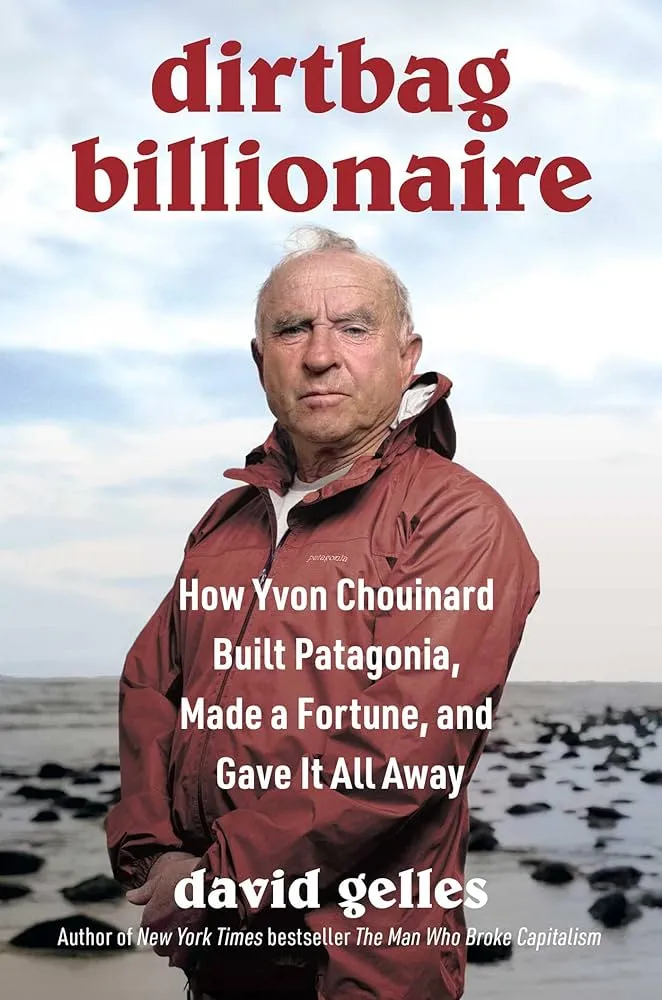
Another insider story from the corporate world, but this one’s driven by environmental activism instead of cutthroat capitalism.
Penned by journalist David Gelles, Dirtbag Billionaire: How Yvon Chouinard Built Patagonia, Made a Fortune, and Gave It All Away narrates the story of clothing giant Patagonia. Founded in 1973, the company grew from a niche clothing retailer into a billion-dollar company known for its outdoor apparel and commitment to social change and corporate activism.
At the centre of this story is Patagonia’s founder and celebrated rock climber, Yvon Chouinard. Driven by an anti-authoritarian spirit and a deep respect for the natural world, Chouinard helped redefine what ethical business could look like. His journey took him from a ‘dirtbag’ sleeping outdoors to a billionaire who ultimately gave away Patagonia, directing the profits to fighting the climate crisis.
Released in September, author David Gelles draws inspiration from exclusive access to Chouinard and the Patagonia team, recording the important moments that shaped both the company and its unconventional leader.
Empire of AI
Karen Hao
Released in May, Empire of AI: Dreams and Nightmares in Sam Altman’s OpenAI is an urgent and deeply reported account of OpenAI at the centre of the modern AI race. Written by American journalist Karen Hao, the book traces how a non-profit organisation, founded to shelter humanity, became the driving force behind an unprecedented global tech arms race.
It is a culmination of Hao’s seven years of reporting on AI for MIT Technology Review, The Wall Street Journal, and The Atlantic.
While the book begins with OpenAI’s idealistic origin, it dives into its growth, driven by massive compute, vast datasets and underpaid global labour forces, hampering energy and water consumption.
As OpenAI, backed by Microsoft, races ahead, Empire of AI reveals how the pressure to win often overpowers safety, and how those same forces led to the internal chaos in OpenAI, leading to Altman’s dismissal and his quick return.
The book exposes the human, environmental and political costs of this new tech-driven era and how OpenAI and ChatGPT will drive our technological future.
Reshuffle
Sangeet Paul Choudary
While AI seemed to be the buzzword among business writers this year, Reshuffle: Who Wins when AI Restacks the Knowledge Economy, winner of the 2025 Thinkers50 Strategy Award, offers a fresh lens on the technology.
Author Paul Choudary writes how AI is a force that restructures the entire economic systems, instead of the tool-for-faster-automation point of view.
Released in July this year, the book argues that AI’s real power lies in improving coordination, acting less like a 'smarter brain' and more like a 'better glue' that binds and reshapes industries. The book uncovers the recurring pattern of new technologies redefining how economies function, through gripping storytelling. It draws parallels from examples like the shipping container and F1 pit-lane strategy, showing how AI will reorient the foundations of power, control, and competition.
Reshuffle explores four core tensions driving this shift: between workers and their tools, tool providers and firms, consolidating businesses and disrupted industries, and empowered individuals and entrenched incumbents. It uses systems thinking to explain how AI rebuilds economic structures, clarifies which predicted changes will truly unfold, and identifies where value and power will move next.
Much like a guide to navigate the AI-powered future of work and competition, Reshuffle helps understand who stands to gain, who risks being left behind, and what needs to be done for meaningful transformation.
How many of these have you read this year?
(Images sourced from Amazon)
Edited by Kanishk Singh