



Urban Company eyes Q3 FY28 breakeven while doubling down on instant services
Urban Company plans to make core services like beauty and plumbing "instantaneous," leveraging learnings from its fast-growing InstaHelp vertical. CEO Abhiraj Singh Bhal aims for consolidated breakeven by Q3 FY28 despite widening InstaHelp losses.

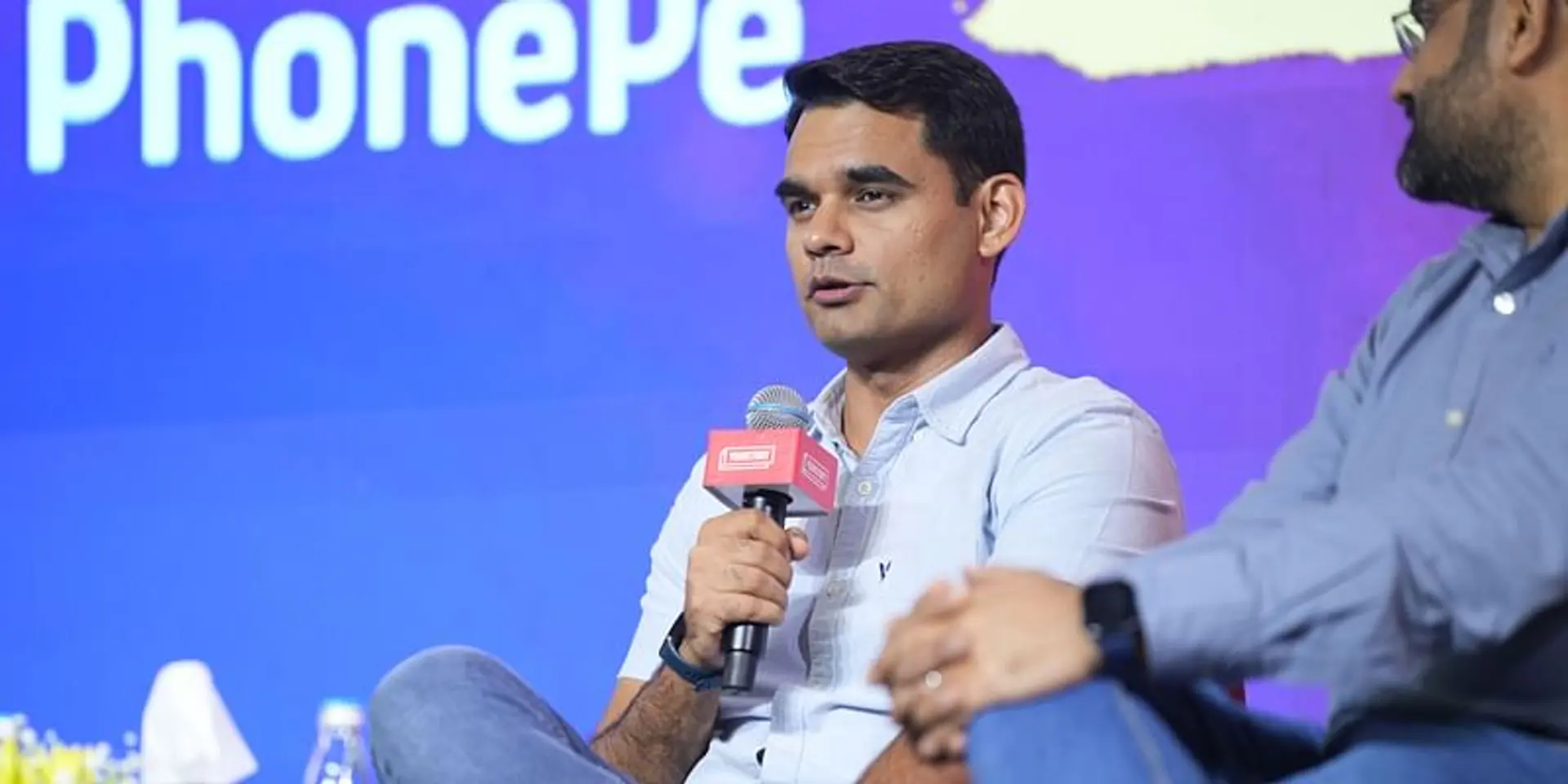

Consumer services platform Urban Company is looking to double down on instant services, expanding the Insta Help portfolio to its larger Indian consumer business.
"Beyond Instahelp, for our core India consumer services business, wherever applicable, we want to move all of those services to become relatively instantaneous as well," Abhiraj Singh Bhal, CEO, Urban Company, shared in a post-earnings call with analysts.
Urban Company plans to tap into the learnings from its Insta Help operation for its core business to accelerate its trajectory into becoming more instantaneous. It plans to bring forward fulfilment timelines for all its services, beauty services, plumbers, electricians, etc. These moves are likely to follow first in high-density micro markets, which are "moving towards becoming more instantaneous", followed by other geographies. More instantaneous services improve partner utilisation, leading to more profitable micromarkets.
"So it's a win-win for all of us, for the customer because they're getting the orders faster, for the service professionals because stacking of orders is better, cancellation rates are fewer, and utilisation is better, and therefore their earnings are better," explained Bhal.
The NCR-based company expects to break even at the consolidated level by the December quarter of FY28, as it expects its other business to generate sufficient adjusted EBITDA to offset the losses in Insta Help.
Launched in 2025, Insta Help offers quick services in high-frequency categories like cleaning and other household services. The segment has scaled on the back of heavy investments in category creation and marketing to clock 1.61 million orders during the December quarter, a 170% growth sequentially. Its services are currently available in select micromarkets (pincodes) of top metros like Mumbai, Delhi and Bengaluru, among others.
The segment clocked net transaction values of Rs 28 crore, more than double from the September quarter. However, the growth was accompanied by a sharp rise in investments, particularly in setting up the supply network, discounting and category creation. Losses in the unit widened to Rs 61 crore from Rs 44 crore sequentially. The company expects the Insta Help, once at scale and at higher Average Order Values (about 1.8 to 2x of what they are now), to reach breakeven levels..

The sector sees a host of startups operating in the space, including Nexus-backed Snabbit, which is in talks to raise another $100 million after raising as much as $56 million since its inception. Beyond that, General Catalyst-backed Pronto is also in talks to raise $25 million at a $100 million valuation.
"The current market dynamic is competitive, so it is also important for us to acquire consumers at a rapid pace and hence the level of discounting is much more elevated than what we would have normally been comfortable with, but this is the primary reason to drive the discounting, to acquire users and then create that initial stickiness in behaviour," shared Bhal.
The Abhiraj Singh Bhal-led company's bottom line remained in the red, with an after-tax loss of Rs 21 crore as compared to a profit of Rs 16 crore last year. Sequentially, the picture looked much better from a loss of Rs 59 crore in the previous quarter, mainly on account of its investment in Insta Help businesses. Excluding the new vertical, the core business delivered an adjusted EBITDA profitof Rs 44 crore.
On a consolidated level, the company posted Rs 382.6 crore in operating revenue as compared to Rs 288 crore it clocked a year ago. Sequentially, its operating revenue grew marginally from Rs 380 crore it clocked in the September quarter.
Edited by Jyoti Narayan