



5 Daily routines that reduce stress and anxiety fast
Discover five simple daily routines that quickly reduce stress and anxiety, improve emotional balance, and help you feel calmer and more in control.

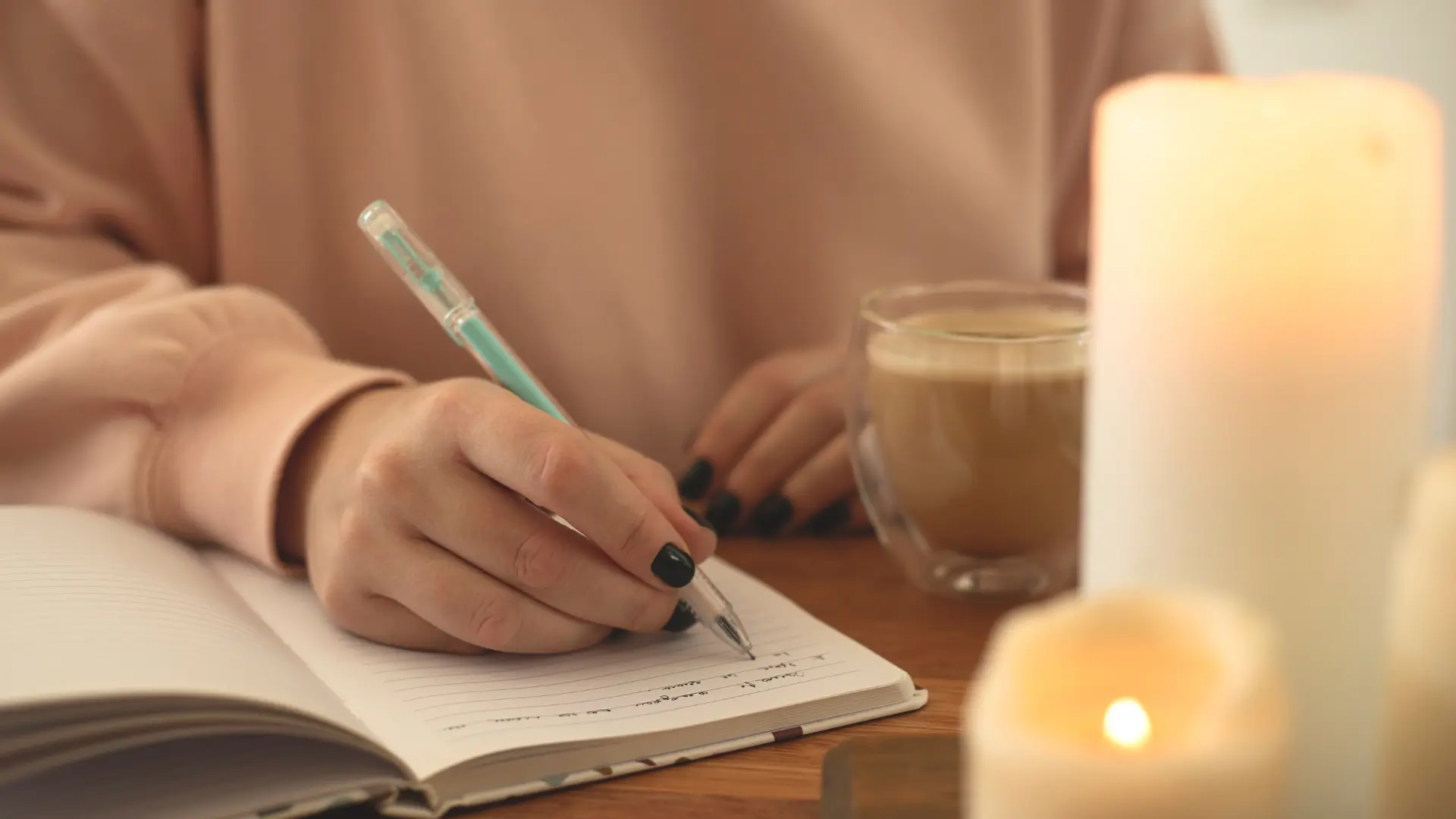

Stress does not always announce itself loudly. Sometimes it shows up as irritability over small things. Sometimes it hides in constant overthinking. Sometimes it feels like tightness in your chest, shallow breathing, or exhaustion that sleep does not fix. In a world that rewards speed, comparison, and constant availability, anxiety has quietly become a daily companion for many people.
But here is what most people misunderstand: calmness is not something you are born with. It is something you practice.
Your nervous system is constantly responding to signals—emails, deadlines, social media, expectations, and even your own thoughts. When those signals feel overwhelming, your body shifts into stress mode. Heart rate increases. Cortisol rises. Focus drops. Emotions intensify. Over time, this becomes your default state.
The good news is that your nervous system can be trained just as easily as it can be triggered. Research in psychology and neuroscience consistently shows that small, repeated daily routines can significantly reduce stress and anxiety levels. Leaders like Arianna Huffington advocate structured recovery habits to prevent burnout, while public figures like Emma Watson have openly discussed mindfulness and journaling practices to maintain emotional balance. The principle is clear: daily regulation prevents emotional escalation.
You do not need extreme lifestyle changes. You need simple, science-supported habits that calm your body quickly and consistently. Below are five daily routines that can reduce stress and anxiety fast—if practiced with intention.
5 daily habits to reduce stress and anxiety fast
1. Start your day with controlled breathing
Your breath is directly connected to your nervous system. When you are anxious, breathing becomes shallow and rapid. This signals danger to the brain and increases stress hormones. By consciously slowing your breath, you send the opposite message: you are safe.
Spend five minutes every morning practicing slow, deep breathing. Inhale through your nose for four seconds, hold for four seconds, and exhale slowly for six seconds. This activates the parasympathetic nervous system, which is responsible for calming the body. Studies show that controlled breathing lowers heart rate and reduces cortisol levels quickly. Starting your day with this practice stabilizes your emotional baseline before external stressors appear.
2. Move your body to release tension
Stress is not just mental—it is physical. When you feel anxious, your muscles tighten and your body stores that tension. Movement releases it.
A brisk 20-minute walk, stretching session, light workout, or yoga practice can significantly reduce stress hormones and increase endorphins. Physical activity also improves sleep quality, which directly affects anxiety levels. You do not need intense training. You need consistency. When movement becomes part of your daily routine, your body learns to discharge stress regularly instead of accumulating it.
3. Limit information overload
Constant exposure to news, notifications, and social media overstimulates the brain. Every alert triggers a small stress response. Over time, this creates mental fatigue and emotional overwhelm.
Set intentional boundaries around information consumption. Avoid checking your phone immediately after waking up. Designate specific times to respond to messages and emails. Turn off non-essential notifications. By reducing digital interruptions, you lower cognitive overload and create mental space. This simple boundary can dramatically decrease daily anxiety.
4. Practice evening reflection or journaling
Unprocessed thoughts often become nighttime anxiety. When the mind does not have space to release worries during the day, it replays them at night.
Spend 10 minutes each evening writing down your thoughts. You can reflect on what went well, what felt stressful, and what you can let go of. This practice organises mental clutter and gives your emotions a structured outlet. Research shows that expressive writing reduces rumination and improves emotional clarity. Journaling creates closure for the day, helping your mind transition into rest instead of replay.
5. Create a wind-down ritual before sleep
Sleep is the foundation of emotional regulation. Lack of sleep increases irritability, reduces stress tolerance, and amplifies anxious thoughts. Yet many people go to bed directly from screens, work, or stimulating content.
Develop a consistent wind-down ritual 30–60 minutes before sleep. Dim the lights. Avoid heavy digital stimulation. Read something calming, stretch gently, or practice gratitude reflection. Repetition signals safety to your brain. Over time, your body begins associating this routine with relaxation. Quality sleep restores hormonal balance and strengthens your ability to handle stress the next day.
Final thoughts
Stress and anxiety are not signs of weakness. They are signals from your nervous system asking for regulation. The goal is not to eliminate stress completely—it is to manage it effectively and prevent it from controlling your life.
These five routines work because they address both the mind and the body. Controlled breathing calms the nervous system. Movement releases stored tension. Boundaries reduce overload. Journaling clears mental clutter. Sleep restores balance.
You do not need perfection. You need repetition.
When practiced daily, these small routines build emotional resilience. And resilience does not mean you never feel stressed. It means stress no longer feels like it owns you.