


5 Stress management techniques that work for modern life
Learn five practical budgeting strategies that help you control spending, grow savings, and build long-term financial stability with confidence.

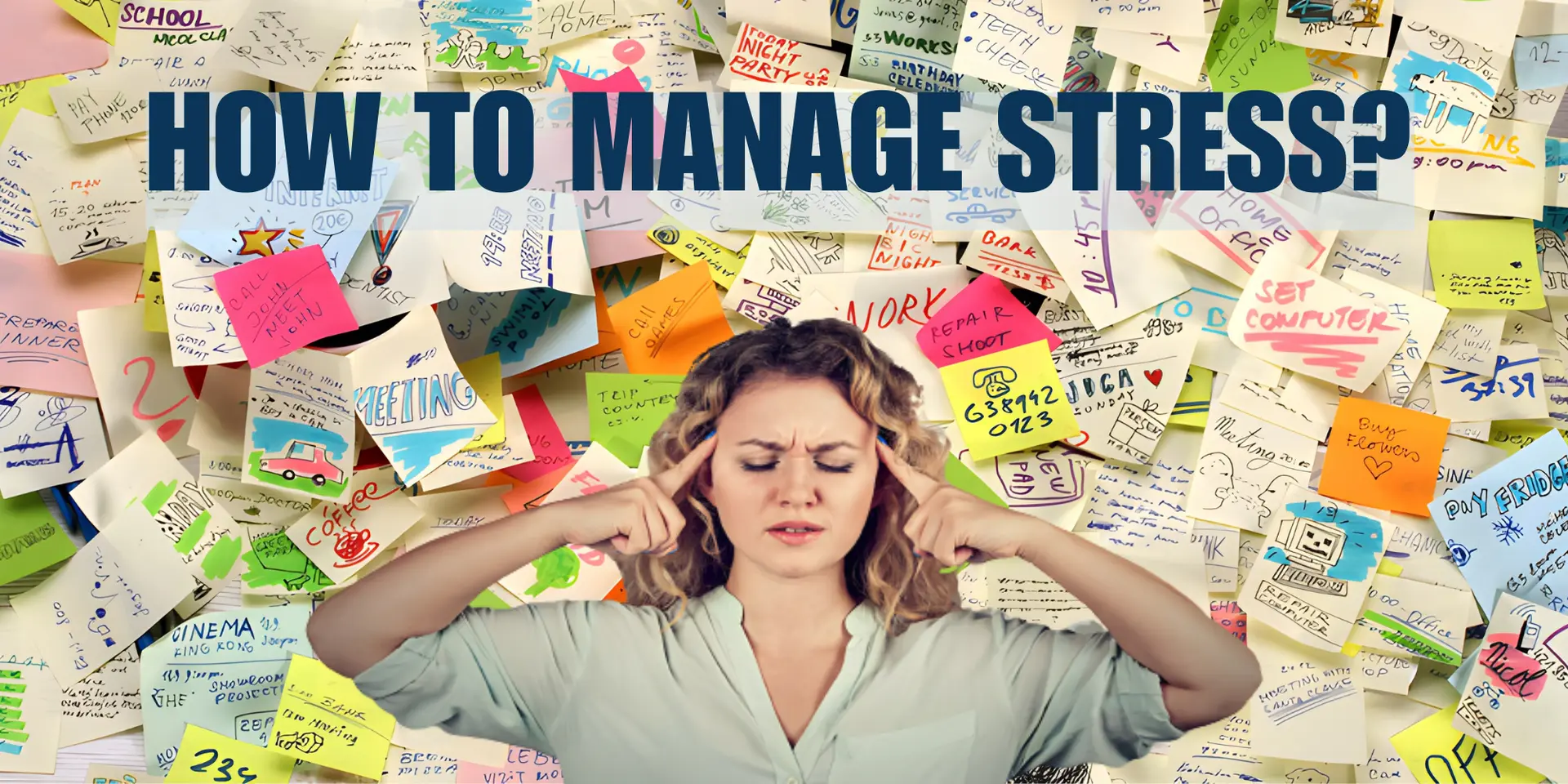

Stress has quietly become the background noise of modern life. Deadlines, responsibilities, digital overload, financial pressures, and emotional expectations pile up until feeling “busy and overwhelmed” starts to feel normal. You wake up thinking about tasks. You fall asleep replaying conversations. Even rest doesn’t feel fully restful.
But here’s the truth: stress itself is not the enemy. It is your body’s natural response to pressure. In short bursts, it can sharpen focus and increase performance. The real problem begins when stress becomes constant — when your nervous system never truly switches off. That’s when exhaustion replaces motivation, irritability replaces patience, and small problems begin to feel enormous.
Many people try to escape stress through distraction. Endless scrolling, binge-watching, emotional eating, or overworking may numb the feeling temporarily, but they don’t solve the root issue. Real stress management isn’t about avoiding pressure. It’s about strengthening your ability to regulate yourself within it.
5 techniques to calm the body and focus the mind
1. Regulate your breathing before you regulate your thoughts
When you’re stressed, your breathing automatically becomes shallow and rapid. This signals your brain that something is wrong, even if the “threat” is just a packed schedule or a difficult conversation. Before trying to solve the problem mentally, calm your body physically. Slow, controlled breathing activates your parasympathetic nervous system — the system responsible for relaxation. Inhale slowly for four seconds, hold for four seconds, and exhale for six seconds. Repeat for a few minutes. As your breathing slows, your heart rate steadies and your thoughts begin to settle. You cannot think clearly when your body feels threatened, but once your nervous system calms, clarity follows naturally.
2. Create single-task focus blocks
Modern life encourages multitasking, but constantly switching between tasks drains mental energy and increases stress. Every time you check a notification while working or respond to an email mid-project, your brain must refocus, which consumes extra cognitive effort. Instead, dedicate specific time blocks to one task at a time. Silence notifications, close unnecessary tabs, and focus fully for 25 to 45 minutes. This approach reduces mental clutter and improves efficiency. When your attention is concentrated instead of scattered, you complete tasks faster and with less tension. Focused work creates a sense of control, which significantly lowers stress levels.
3. Move your body to release tension
Stress is not only psychological; it is physical. It tightens your muscles, stiffens your neck, and leaves your shoulders tense without you even realising it. If that tension isn’t released, it accumulates. Physical movement helps your body process stress hormones like cortisol and adrenaline. A brisk walk, light stretching, yoga, or any form of gentle exercise can shift your mood and energy within minutes. Movement signals to your brain that the “threat” has passed, helping your system reset. You don’t need intense workouts; consistency matters more than intensity. When your body feels lighter, your mind follows.
4. Set clear emotional and time boundaries
Many people feel overwhelmed not because they have too much to do, but because they struggle to protect their energy. Saying yes when you mean no, replying to work messages late at night, and taking responsibility for issues that aren’t yours gradually erode your mental peace. Clear boundaries reduce unnecessary stress. This may mean limiting after-hours communication, declining extra commitments when your schedule is full, or creating tech-free time during your day. Boundaries are not selfish; they are essential for sustainability. When your commitments match your capacity, your stress naturally decreases.
5. Schedule intentional recovery time
Most people plan productivity but forget to plan recovery. Continuous output without rest leads to burnout. Your brain needs deliberate pauses to recharge. Short breaks between tasks, a quiet walk after work, journaling before bed, or an hour of screen-free time can restore mental balance. Recovery prevents stress from accumulating silently. Rest is not a reward for finishing everything; it is a requirement for functioning well. When you treat recovery as part of your routine rather than an afterthought, you build long-term resilience.
Final thoughts
Stress will never disappear entirely. Responsibilities will remain. Challenges will arise. But your ability to respond calmly can grow stronger with practice. Managing stress isn’t about eliminating pressure — it’s about strengthening your nervous system, focusing your attention, protecting your energy, and honouring your need for rest.
When you breathe intentionally, focus deeply, move regularly, set boundaries, and prioritize recovery, you create internal stability even when life feels demanding. Calm is not something you stumble upon one day. It is something you build, one small, consistent habit at a time.