



5 geopolitics books that explain how the world works
Explore five essential books that explain global geopolitics, power dynamics, and international conflicts shaping the modern world today.


In an increasingly interconnected world, geopolitics plays a powerful role in shaping the events that influence economies, international relationships, global conflicts, and the future of nations. From rising tensions between global superpowers to regional conflicts, trade wars, and strategic alliances, geopolitics affects everything from the price of energy to the stability of governments and the direction of global policy. Yet for many people, geopolitics can feel like a complicated subject filled with unfamiliar terms, historical rivalries, and complex political strategies.
Understanding geopolitics is not just important for diplomats, policymakers, or academics. It is increasingly valuable for anyone who wants to make sense of global news, international conflicts, and the shifting balance of power between nations.
Books remain one of the best ways to explore geopolitical questions in depth. Unlike short news reports, well-researched books provide historical context, strategic analysis, and clear explanations of the forces that shape global politics.
For readers who want to build a deeper understanding of the world’s political landscape, certain books stand out as essential guides. These works break down complex international dynamics into engaging narratives that are both informative and accessible. They help readers understand global power struggles, the rise of new superpowers, and the strategic importance of geography in international relations.
5 books with insights into modern geopolitics
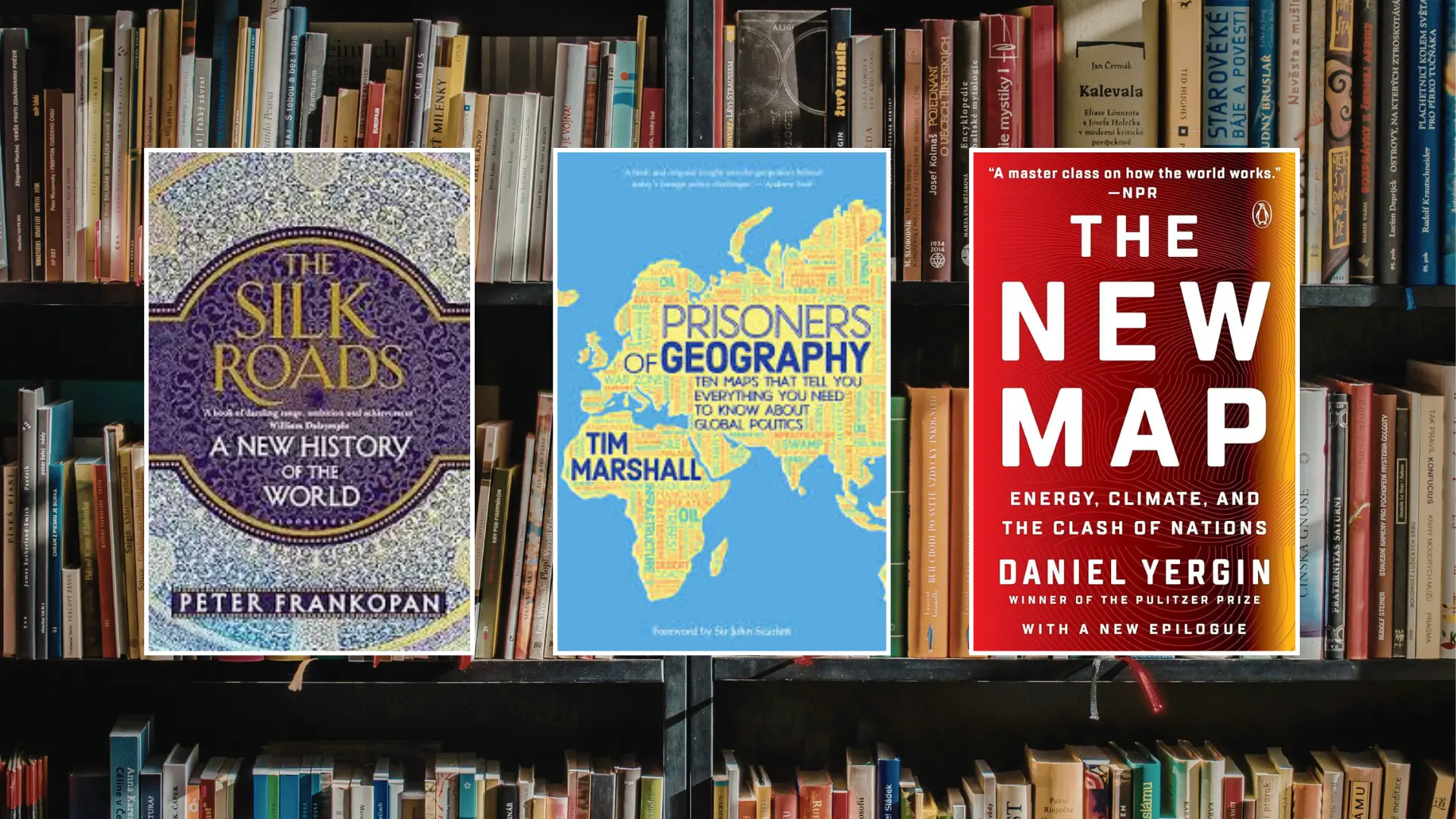
1. Prisoners of Geography by Tim Marshall
One of the most widely recommended books on geopolitics, Prisoners of Geography explains how physical geography influences the political decisions of nations. Tim Marshall argues that mountains, rivers, deserts, and coastlines are not just natural features but strategic factors that shape how countries develop their policies and relationships with other nations.
The book examines several key regions around the world, including Russia, China, the United States, the Middle East, and Europe. Marshall explains how geographic limitations and advantages affect national security, economic development, and political strategy. For example, Russia’s historical desire for warm-water ports or China’s focus on regional influence become easier to understand when viewed through a geographic lens.
What makes this book particularly valuable is its clarity. Complex geopolitical ideas are explained through simple and engaging storytelling, making it accessible even for readers who are new to the subject. By the end of the book, readers gain a new appreciation for how geography quietly shapes global politics.
2. The New Map by Daniel Yergin
Energy resources have always been at the center of geopolitical power struggles, and The New Map explores how oil, natural gas, and renewable energy are reshaping the global political landscape. Daniel Yergin, a renowned energy historian, explains how the competition for energy resources influences alliances, conflicts, and global economic stability.
The book explores major geopolitical developments, including the rise of American energy independence, the strategic importance of the Middle East, Russia’s role in global energy markets, and China’s growing influence in international infrastructure projects. Yergin also discusses how the global transition toward renewable energy could reshape power dynamics in the future.
By connecting energy policy with geopolitics, The New Map provides readers with a deeper understanding of why energy security remains one of the most important factors in international relations today.
3. The Silk Roads by Peter Frankopan
The Silk Roads takes a historical approach to geopolitics by exploring how trade routes connecting Asia, the Middle East, and Europe shaped the development of civilisations. Peter Frankopan challenges the traditional Western-centric view of history by showing how the regions around Central Asia were once the true center of global power and cultural exchange.
The book traces the rise and fall of empires, the spread of religions, and the movement of goods and ideas along ancient trade routes. By examining these historical connections, Frankopan reveals how economic networks and cultural interactions have long influenced geopolitical developments.
Understanding these historical foundations helps readers see how modern geopolitical strategies, such as China’s Belt and Road Initiative, are connected to centuries-old patterns of trade and influence. The book provides a fascinating perspective on how the past continues to shape global politics today.
4. The Revenge of Geography by Robert D. Kaplan
In The Revenge of Geography, Robert Kaplan revisits the idea that geography remains one of the most powerful forces in global politics. While modern technology and globalisation have transformed international relations, Kaplan argues that geographic realities still influence national strategies and conflicts.
The book explores how geographic features influence political decisions in regions such as Europe, the Middle East, South Asia, and East Asia. Kaplan draws from historical examples, political theory, and contemporary events to explain how geography continues to shape the ambitions and limitations of nations.
What makes this book particularly insightful is its blend of historical analysis and modern geopolitical observation. Kaplan demonstrates that while technology changes rapidly, the geographic realities that influence political strategy remain remarkably constant.
5. Destined for War by Graham Allison
One of the most pressing geopolitical questions of the 21st century is whether the rising power of China will lead to conflict with the United States. In Destined for War, Graham Allison explores this issue through the concept known as the “Thucydides Trap,” which suggests that war often occurs when a rising power threatens to replace an established one.
Allison examines historical cases where emerging powers challenged dominant nations, analysing whether conflict was inevitable or avoidable. He then applies these lessons to the modern rivalry between the United States and China.
The book provides a thoughtful analysis of one of the most important geopolitical relationships in the world today. By exploring possible scenarios for cooperation or conflict, Allison helps readers understand the strategic tensions that could shape global politics for decades to come.
Final thoughts
Geopolitics is a complex and constantly evolving field, but understanding it is essential for making sense of the world’s most important events. International conflicts, economic alliances, trade policies, and diplomatic relationships are rarely random. They are shaped by geography, history, resources, and the strategic ambitions of nations.
The books highlighted above provide valuable insights into these forces. By exploring geography’s influence on politics, the role of energy resources, the historical roots of global trade networks, and the shifting balance of power between major nations, these works offer readers a deeper understanding of global dynamics.
Reading about geopolitics does more than explain current events, it also helps individuals anticipate future developments and understand why global leaders make the decisions they do. In a world where international events increasingly affect everyday life, gaining this knowledge is more valuable than ever.
For anyone interested in global affairs, diplomacy, or international strategy, these five books offer a powerful starting point for understanding the forces that shape our world today.