



5 simple ways to improve your gut health naturally
Discover five simple, natural changes that improve gut health, support digestion, and boost overall wellness without complicated diets or supplements.

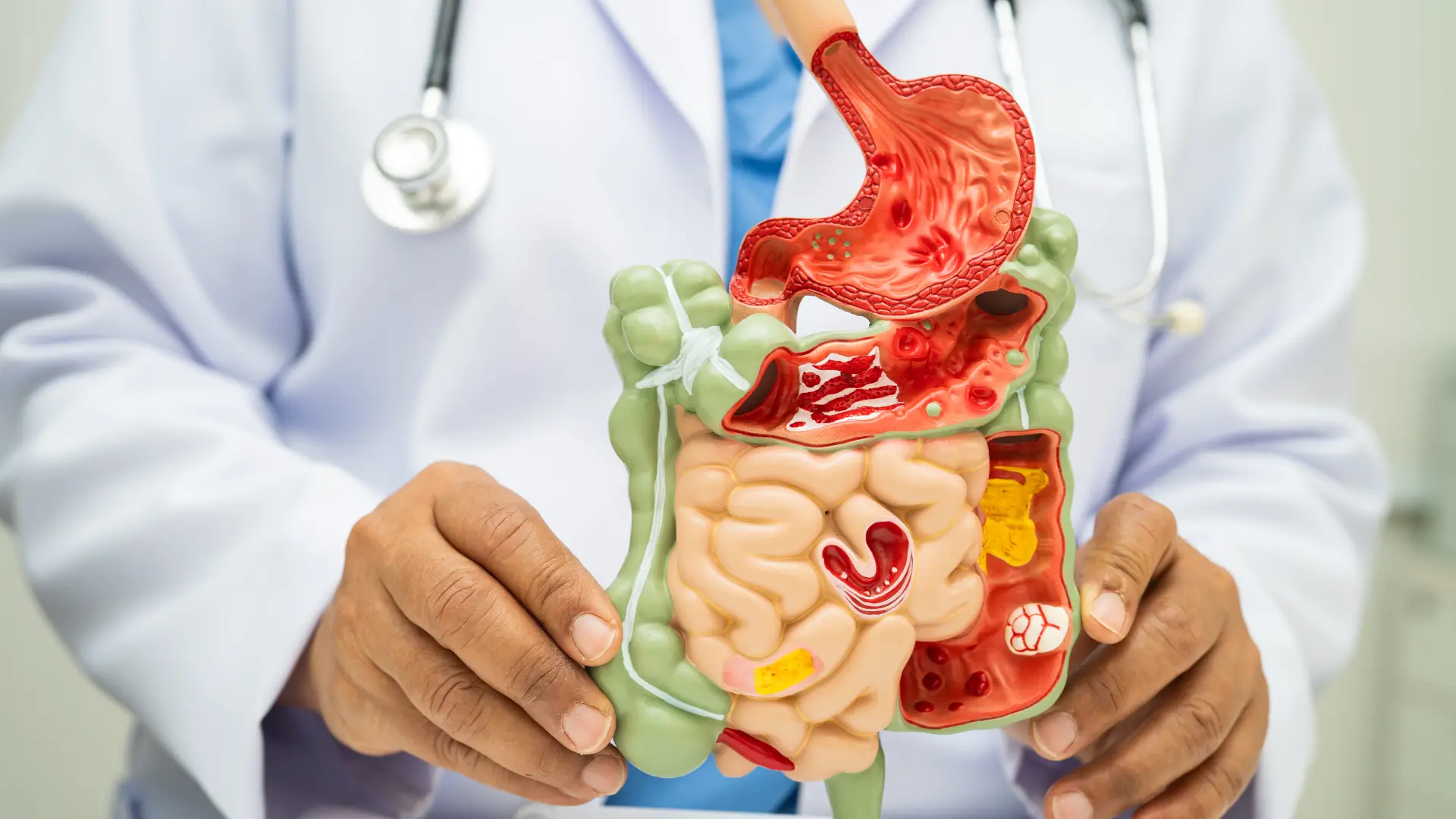

For years, gut health was reduced to digestion alone. If you weren’t experiencing stomach pain or discomfort, you probably didn’t think much about it. But modern research continues to reveal something powerful: your gut influences far more than digestion. It impacts your immune system, energy levels, mood, skin health, mental clarity, and even how well you handle stress.
At the centre of it all is your gut microbiome — a vast ecosystem of trillions of bacteria living inside your digestive tract. When this ecosystem is balanced, your body functions smoothly. When it’s disrupted by stress, poor diet, lack of sleep, or overuse of antibiotics, symptoms can quietly appear: bloating, fatigue, cravings, brain fog, or weakened immunity.
The encouraging news is that improving gut health does not require extreme diets or expensive supplements. Often, small and consistent lifestyle changes create the most meaningful and lasting results.
5 adjustments to strengthen your gut health
1. Increase your fibre intake gradually
Fibre is one of the most important nutrients for gut health, yet many people consume far less than their bodies need. Fibre acts as fuel for beneficial gut bacteria, helping them grow and maintain balance within your microbiome. When good bacteria thrive, they produce short-chain fatty acids that reduce inflammation and strengthen your intestinal lining.
Incorporating more fruits, vegetables, legumes, seeds, and whole grains into your meals provides a diverse range of fibres that nourish different types of bacteria. However, it’s important to increase fibre gradually. Sudden large increases may cause temporary bloating or discomfort. Start small, stay consistent, and allow your digestive system time to adapt. Over time, you’ll likely notice improved digestion and more stable energy levels.
2. Add fermented foods to your diet
Fermented foods naturally contain probiotics — beneficial bacteria that support a healthy gut environment. Foods like yogurt with live cultures, kefir, sauerkraut, kimchi, and miso introduce helpful microbes that can strengthen your microbiome diversity.
Adding small portions of fermented foods to your daily meals can gently support digestive balance. The goal is not to overload your system but to maintain consistency. A spoonful of sauerkraut with lunch or a serving of yogurt at breakfast can gradually influence your gut environment positively. Natural probiotic sources often work best when combined with fibre-rich foods that help those bacteria flourish.
3. Reduce highly processed foods
Highly processed foods often contain added sugars, artificial ingredients, and low-quality fats that can disrupt the balance of gut bacteria. Excess sugar, in particular, feeds harmful bacteria and yeast, which may lead to digestive discomfort and inflammation.
Shifting toward whole, minimally processed foods can significantly improve gut function. This doesn’t mean eliminating all treats, but it does mean becoming more mindful about daily choices. Replacing sugary snacks with fruit, choosing whole grains over refined ones, and cooking more meals at home can create a noticeable difference over time. When your diet becomes cleaner and more balanced, your gut ecosystem becomes more stable and resilient.
4. Manage stress effectively
The gut and brain are closely connected through what is often called the gut-brain axis. When stress levels rise, digestive processes can slow down or become irregular. Chronic stress may alter the composition of gut bacteria and weaken the protective lining of your intestines.
Incorporating stress management practices into your daily routine can indirectly improve gut health. Simple habits like deep breathing, meditation, walking outdoors, journaling, or maintaining consistent sleep patterns help regulate your nervous system. When your body feels safe and calm, digestion functions more efficiently. A balanced nervous system supports a balanced gut.
5. Prioritise quality sleep
Sleep is often overlooked in conversations about digestion, yet it plays a vital role in gut repair and immune function. During deep sleep, your body performs essential restorative processes, including maintaining the integrity of your intestinal lining and regulating inflammation.
Irregular sleep schedules, late-night screen exposure, and insufficient rest can disrupt these processes and negatively impact gut bacteria. Establishing a consistent bedtime, limiting caffeine late in the day, and reducing screen time before sleep can improve sleep quality significantly. Better sleep supports better digestion, creating a cycle of improved overall health.
Final thoughts
Gut health does not improve overnight, and it doesn’t require drastic change. The most effective approach is gradual and sustainable. Increasing fibre, incorporating fermented foods, reducing processed ingredients, managing stress, and prioritising sleep work together to create a balanced internal environment.
Your gut influences far more than you may realise. When it functions well, energy increases, immunity strengthens, and mental clarity improves. By making small daily changes, you build a healthier foundation that supports your body from the inside out.
True wellness often begins in places we cannot see and your gut is one of the most powerful starting points.