



Platform fee creeps up again as Zomato and Swiggy test the market's price sensitivity
Days after Zomato raised its platform fee by 19%, rival Swiggy followed with a 17% increase, taking its per-order charge to Rs 17.58 from Rs 14.99.

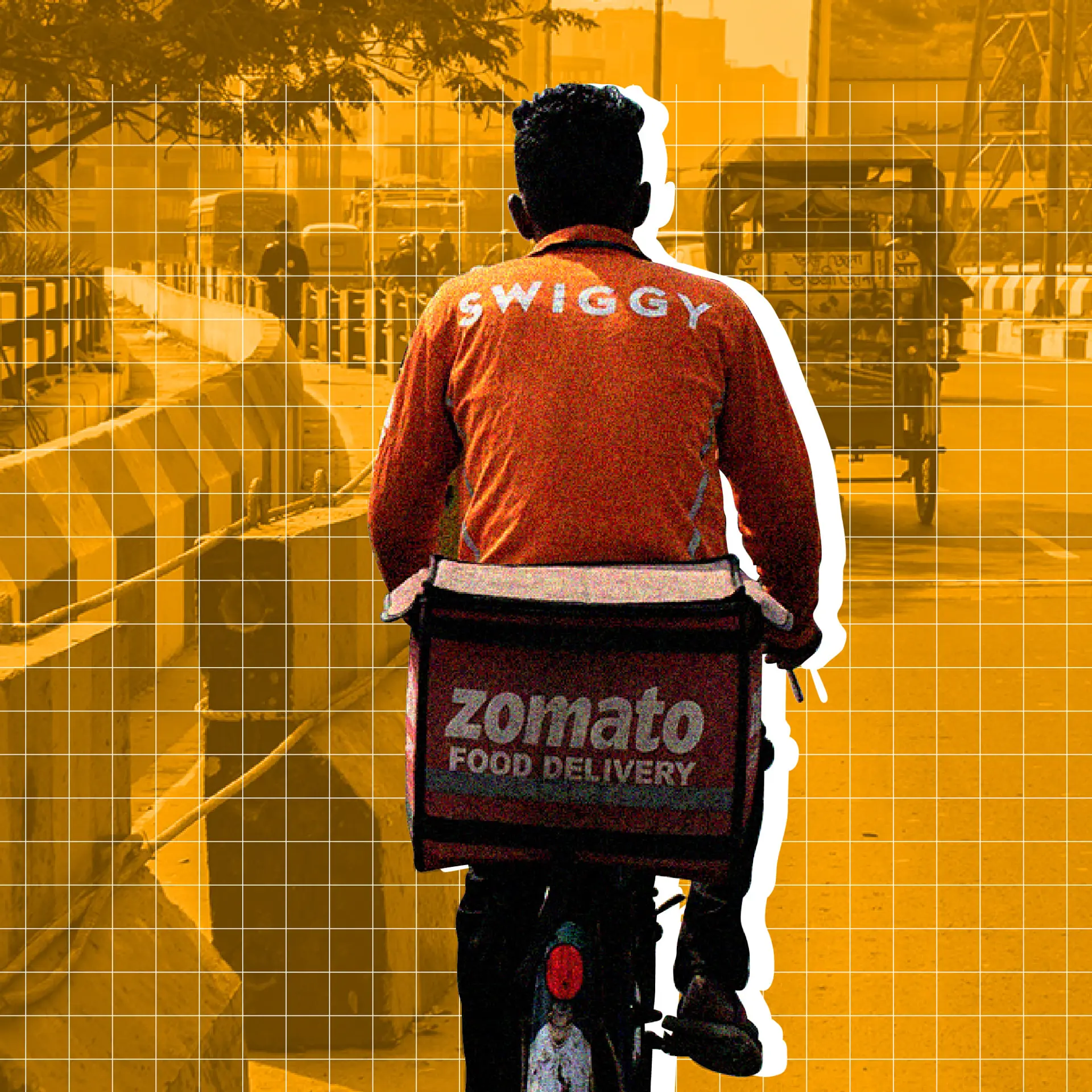

India's two dominant food delivery platforms have raised their per-order platform fee within days of each other. This is the latest in a series of price increases that have lifted the charge nearly nine-fold since it was introduced three years ago.
Days after Zomato raised its platform fee by 19%, rival Swiggy followed with a 17% increase, taking its per-order charge to Rs 17.58 from Rs 14.99. Zomato, for its part, increased its fee from Rs 12.5 to Rs 14.9 per order.
While the hikes appear modest in absolute terms, both companies now effectively charge a similar fee, around Rs 17.58 per order, once taxes are accounted for. Swiggy’s fee is inclusive of GST, while Zomato’s levy is excluding taxes.
The platform fee is a fixed charge added on top of delivery costs and taxes. It has evolved from a nominal add-on into a core monetisation tool. Both companies introduced the fee in 2023 at just Rs 2 per order. Since then, it has been raised in steady increments.

The increase implies a broader shift in strategy. With growth in food delivery expected to be moderate, companies are turning to incremental pricing changes to improve unit economics, rather than relying solely on commissions from restaurants or delivery charges.
The hikes come as both companies face pressure to demonstrate a credible path to sustained profitability. Growth in India's food-delivery market, which expanded rapidly during and after the pandemic, is expected to be moderate going forward. This has pushed both platforms to wring more revenue from existing orders rather than expanding their user bases aggressively.
Bengaluru-headquartered Swiggy reported a 54% year-on-year rise in operating revenue to Rs 6,148 crore in the third quarter of fiscal year 2026. But losses also widened to Rs 1,056 crore, underscoring how much more the company needs to improve its cost structure.
Gurugram-based Zomato operates under the parent entity Eternal. Its food-delivery segment grew 29% to Rs 2,676 crore in the same quarter. At the group level, Eternal reported a revenue of Rs 16,315 crore and a net profit of Rs 102 crore.
How far can the two companies push platform fee before users begin to resist? India is among the world's most price-sensitive consumer markets, and food-delivery platforms have at times misjudged consumer tolerance for higher charges. So far, the incremental approach appears to have minimised churn.
Platform fee now sits alongside restaurant commissions and advertising revenue as a structural pillar of the business model, one that requires no additional logistics investment and improves with every order placed.
The big question looms. In a market where growth in the core food delivery business is expected to slow down, can platform fee alone bridge the gap between promise and profit? Or will customers, nudged one rupee at a time, eventually decide that cooking is cheaper after all?
Edited by Swetha Kannan