



10 Lessons from The Art of Laziness about working smarter
Discover 10 practical lessons from The Art of Laziness about working smarter, avoiding burnout, improving focus, and getting more done with less stress.

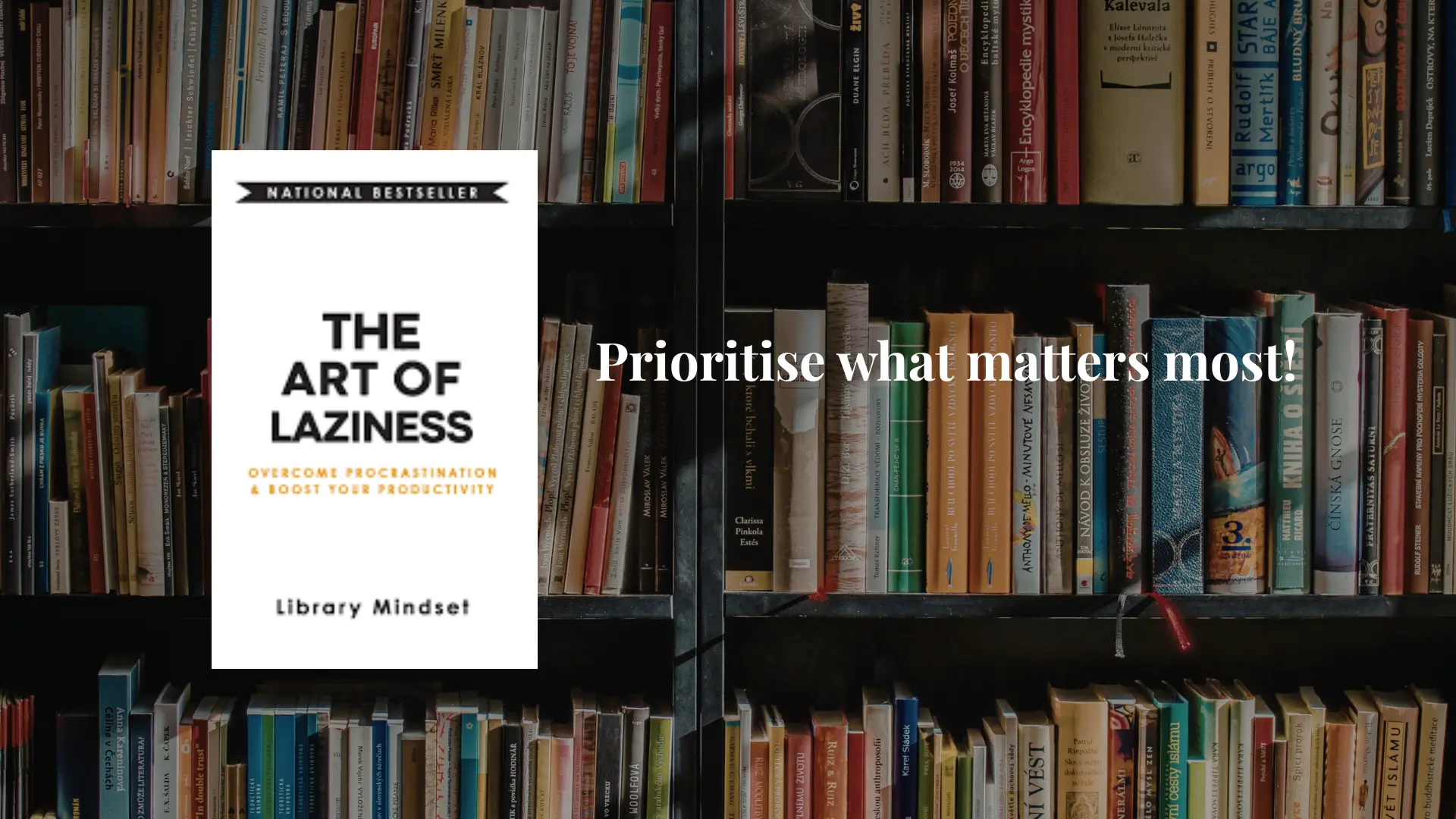

For years, productivity has been associated with being busy. People often believe success comes from working longer hours, staying constantly occupied, multitasking endlessly, and sacrificing rest. But despite doing more than ever, many still feel exhausted, overwhelmed, and strangely unproductive. The harder they push, the faster burnout arrives.
What if the problem is not laziness, but the way people think about work itself? What if productivity is less about working harder and more about working smarter?
That is the refreshing perspective explored in The Art of Laziness. Instead of glorifying hustle culture, the book questions unnecessary effort, overcomplication, and the obsession with constant busyness. It encourages readers to focus on efficiency, energy management, and intentional action rather than endless activity.
Here are 10 valuable lessons from The Art of Laziness about working smarter, not harder.
10 Useful Lessons from The Art of Laziness
1. Stop glorifying busyness
One of the biggest lessons in the book is that being busy does not automatically mean being productive.
Many people spend entire days answering emails, switching tasks, attending unnecessary meetings, or staying occupied without making meaningful progress.
Productivity often gets confused with activity. The lesson here is simple: focus on outcomes, not just effort. Ask yourself whether what you are doing is actually moving life or work forward.
2. Prioritise what matters most
Trying to do everything often leads to doing nothing well.
The book encourages readers to identify high-impact tasks instead of spreading energy across endless priorities. Not every task deserves equal attention.
Focusing deeply on fewer important things often creates stronger results than constantly multitasking.
3. Rest is productive too
Modern culture often treats rest like laziness. But exhaustion rarely leads to better work.
The Art of Laziness reminds readers that recovery improves focus, creativity, and decision-making. Sometimes stepping away from work briefly actually increases productivity.
The lesson feels freeing because it removes guilt around taking breaks.
4. Work with your energy, not against it
Everyone has different energy levels throughout the day.
Some people think best in the morning. Others focus better later in the day. Instead of forcing productivity at low-energy times, the book encourages aligning important work with natural focus periods.
Working smarter often means understanding yourself better.
5. Automate repetitive decisions
Too many small decisions create mental fatigue.
Successful routines reduce unnecessary thinking. Meal planning, time blocking, organised systems, or structured habits help conserve mental energy for more important work.
The lesson highlights how simplifying life often increases efficiency.
6. Learn to say no to distractions
Constant interruptions quietly destroy productivity.
Notifications, unnecessary conversations, endless scrolling, and multitasking often reduce focus more than people realise. The book encourages paying attention intentionally.
Sometimes, working smarter simply means removing distractions.
7. Perfectionism wastes time
Perfection often becomes hidden procrastination.
Many people delay progress because they want everything to feel perfect before moving forward. But waiting endlessly often creates stagnation.
The book encourages progress over perfection; finished work usually matters more than flawless work.

8. Simplify complicated systems
People often overcomplicate productivity.
Complicated schedules, endless tools, or unrealistic routines frequently become harder to maintain. The book encourages simplicity.
A few sustainable systems usually work better than overly ambitious plans.
9. Focus on leverage, not effort alone
Working harder has limits. Working smarter creates scalability.
Finding ways to save time, delegate, reuse systems, or improve efficiency often creates better long-term outcomes than endless effort alone.
The lesson encourages intentional thinking rather than constant overworking.
10. Productivity should support life, not replace it
Perhaps the biggest lesson from the book is this: productivity exists to improve life, not consume it.
Success feels less meaningful when health, relationships, or peace suffer constantly. Working smarter means creating balance instead of endless exhaustion.
Real productivity helps build freedom, not burnout.
Final thoughts
The Art of Laziness offers an important reminder in a culture obsessed with hustle: doing more is not always better. Sometimes, slowing down, simplifying priorities, and protecting energy creates stronger results than constant busyness ever could.
The book quietly challenges readers to rethink productivity, not as endless work, but as intentional effort. Because often, the smartest way to succeed is not by pushing harder, it is by learning how to work better.