



5 Books that tell the difference between happiness & peace
Discover five insightful books that explore the difference between happiness and peace, and why inner calm may matter more than constant joy.

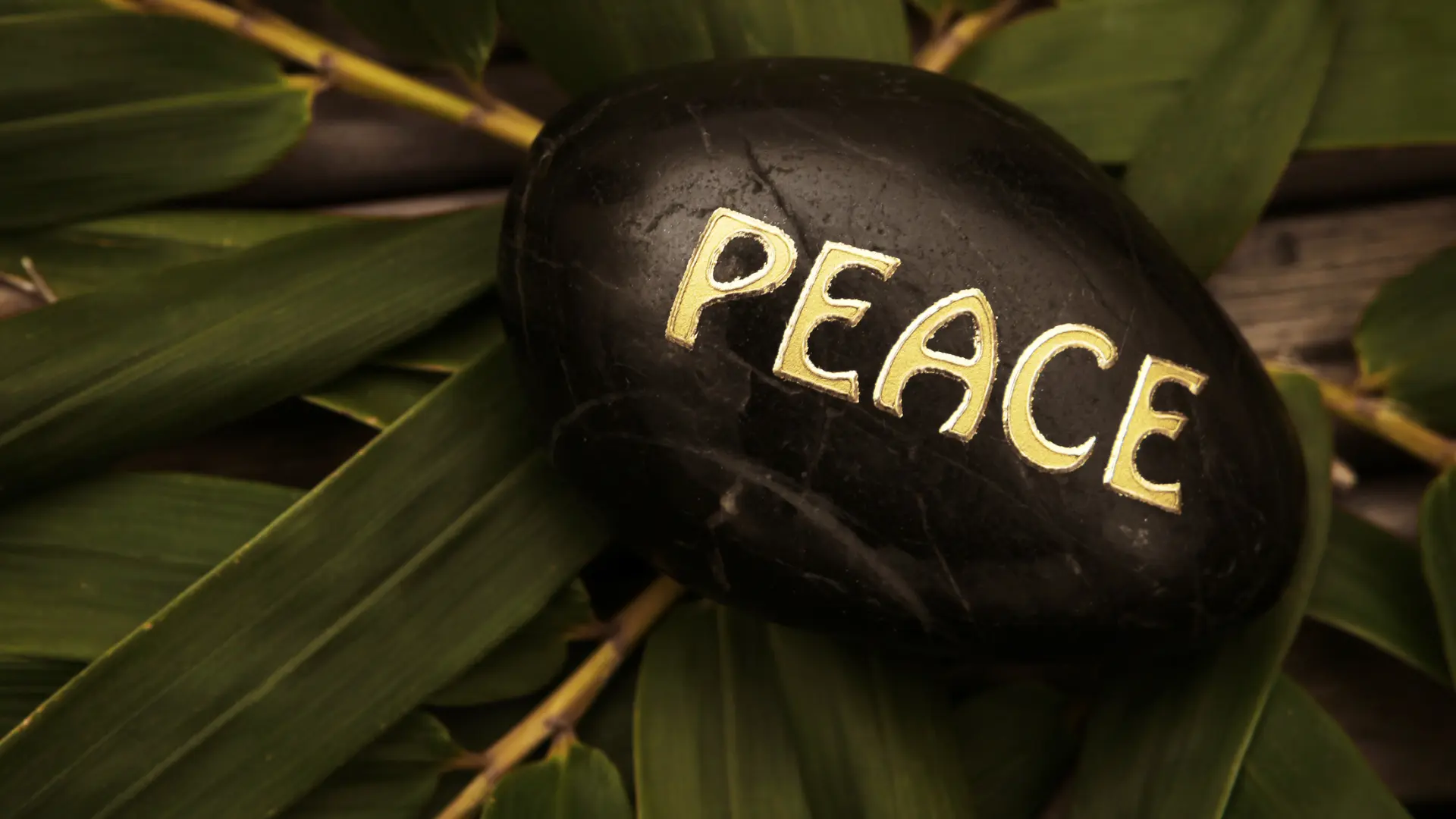

Most people spend their lives chasing happiness. We pursue achievements, relationships, experiences, and goals with the hope that they will make us feel happier. Yet happiness is often fleeting. It rises and falls with circumstances, successes, and setbacks.
Peace, on the other hand, is different. It is less about feeling good all the time and more about maintaining a sense of steadiness regardless of what life brings. While happiness is often associated with moments of pleasure and excitement, peace is rooted in acceptance, perspective, and inner stability.
Some of the most thought-provoking books on philosophy, psychology, and spirituality explore this distinction. They suggest that while happiness is valuable, peace may ultimately be the more sustainable and transformative pursuit.
5 Books that help you understand happiness and peace
1. The Wisdom of Insecurity by Alan Watts
Alan Watts argues that much of human suffering comes from trying to secure permanent happiness in an inherently uncertain world.
People often believe they will finally be happy once they eliminate risk, solve every problem, or achieve a particular goal. Watts challenges this assumption by suggesting that peace comes not from controlling life but from accepting its unpredictability.
The book encourages readers to stop resisting uncertainty and instead engage fully with the present moment. In doing so, they may discover a deeper sense of peace that is not dependent on circumstances.
2. The Book of Joy by Dalai Lama and Desmond Tutu
At first glance, this book appears to focus entirely on happiness. Yet its deeper message is about cultivating peace amid life's inevitable challenges.
Through conversations between the Dalai Lama and Desmond Tutu, readers encounter ideas about gratitude, compassion, forgiveness, and perspective. The authors acknowledge that pain and hardship are unavoidable, but they argue that inner peace can coexist with suffering.
The book suggests that joy is not the absence of difficulty but the ability to remain grounded despite it.
3. Wherever You Go, There You Are by Jon Kabat-Zinn
Many people postpone peace, believing it will arrive after they accomplish enough or resolve all their problems.
Jon Kabat-Zinn offers a different perspective through mindfulness. He teaches that peace becomes available when we stop constantly chasing the next experience and learn to inhabit the present moment fully.
The book encourages readers to observe their thoughts and emotions without judgment. Rather than seeking happiness through external achievements, it points toward a quieter form of contentment rooted in awareness and acceptance.
4. Stillness Is the Key by Ryan Holiday
Drawing from Stoic philosophy, Eastern traditions, and historical examples, Ryan Holiday explores the value of stillness in an increasingly distracted world.
The book argues that many people confuse excitement with fulfilment. They constantly seek more success, stimulation, and achievement, believing these things will lead to happiness.
Holiday suggests that lasting peace comes from cultivating clarity, discipline, and emotional balance. Stillness allows individuals to remain calm and focused even when life becomes chaotic.
Its lessons emphasise inner stability over external validation.
5. Peace Is Every Step by Thích Nhất Hạnh
Few books explore peace as directly as this classic work by Thích Nhất Hạnh.
Through simple yet profound teachings, he explains how peace can be found in ordinary moments, walking, breathing, eating, and paying attention to daily life.
Rather than treating peace as a distant destination, he presents it as a way of relating to the present moment. Happiness may come and go, but peace can be cultivated through awareness and mindful living.
The book's gentle wisdom has inspired millions of readers worldwide.

Happiness vs. Peace: What's the difference?
One of the key ideas running through these books is that happiness and peace are not the same thing. Happiness is often tied to circumstances; it can arise from achievements, relationships, pleasant experiences, or moments of success. Because it depends partly on external events, it naturally comes and goes.
Peace, however, tends to be more stable. It comes from acceptance, perspective, and the ability to remain grounded even when life doesn't unfold as expected. While happiness often feels exciting and uplifting, peace is quieter. It allows people to navigate both good and difficult moments without being completely defined by them.
These books suggest that happiness is a wonderful part of life, but peace is what helps sustain us when happiness inevitably fluctuates.
When peace matters more than happiness
Modern culture often encourages people to pursue happiness relentlessly. While happiness is valuable, these books suggest that peace may be an even more meaningful goal.
Whether it's the acceptance taught in The Wisdom of Insecurity, the compassionate insights of The Book of Joy, the mindfulness of Wherever You Go, There You Are, the balance found in Stillness Is the Key, or the presence cultivated in Peace Is Every Step, these books offer a different perspective on fulfilment.
They remind us that happiness is something we experience, but peace is something we practice.
And while happiness may visit from time to time, peace is what helps us remain steady when life inevitably changes.