


7 Books that help you become less reactive & more reflective
Discover seven insightful books that help you develop emotional control, self-awareness, patience, and a more reflective mindset.



In a world of constant notifications, instant opinions, and endless distractions, reacting has become easier than reflecting. We respond to criticism before understanding it, make decisions based on emotions, and allow temporary frustrations to influence long-term choices.
Yet some of the wisest thinkers throughout history have argued that the quality of our lives depends largely on the space between an event and our response to it. The ability to pause, think, and act intentionally is a skill that can be cultivated. Books can be powerful teachers in this process. They encourage us to slow down, examine our thoughts, and develop greater emotional awareness.
7 Valuable lessons on becoming reflective in everyday life
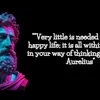
1. Meditations by Marcus Aurelius
Written as personal reflections rather than a formal book, Meditations remains one of the most influential works on self-control and inner calm. Marcus Aurelius repeatedly reminds himself that external events are often beyond his control, but his response to them is not.
Instead of reacting with anger, frustration, or resentment, he advocates examining situations rationally and focusing on what truly matters. The book teaches readers to create distance between emotions and actions, making it a timeless guide for developing patience and perspective.
2. The Untethered Soul by Michael A. Singer
Many reactions begin with thoughts we barely notice. The Untethered Soul encourages readers to observe those thoughts instead of immediately identifying with them. Michael Singer explores the concept of the inner voice and how much of our emotional suffering comes from becoming trapped in mental narratives.
By learning to witness thoughts rather than automatically believe them, readers develop greater emotional freedom. The book offers a practical framework for cultivating awareness and responding to life with more clarity and less impulsiveness.
3. Thinking, Fast and Slow by Daniel Kahneman
Nobel Prize-winning psychologist Daniel Kahneman explains how the human mind operates through two systems of thinking: one fast, intuitive, and emotional, and the other slower, deliberate, and analytical. Much of our reactivity comes from relying too heavily on fast thinking.
The book reveals the cognitive biases and mental shortcuts that influence decisions without our awareness. By understanding how the mind works, readers become better equipped to pause, question assumptions, and make more thoughtful choices.
4. The Daily Stoic by Ryan Holiday and Stephen Hanselman
Drawing from Stoic philosophy, The Daily Stoic offers short reflections designed to encourage calmness, resilience, and self-awareness. Each entry reminds readers to focus on what they can control and release what they cannot.
Over time, this practice helps reduce emotional reactivity and develop a more measured approach to challenges. The book's daily format makes reflection a habit rather than an occasional exercise.
5. The Things You Can See Only When You Slow Down by Haemin Sunim
Modern life often encourages speed, but wisdom frequently requires slowing down. In this thoughtful book, Haemin Sunim explores mindfulness, compassion, relationships, and emotional balance. He suggests that many problems become clearer when we stop rushing through life and give ourselves time to observe our experiences.
The book encourages readers to respond with understanding rather than react out of habit or emotion. Its gentle insights make it particularly valuable for those seeking greater calm in daily life.
6. Emotional Agility by Susan David
Psychologist Susan David argues that emotional health is not about suppressing difficult feelings but learning how to engage with them wisely. Emotional Agility teaches readers to recognise emotions without allowing them to dictate behaviour.
Instead of reacting automatically, individuals learn to examine what their emotions are communicating and choose responses aligned with their values. The book provides practical tools for navigating stress, uncertainty, and interpersonal challenges with greater awareness and flexibility.
7. Man's Search for Meaning by Viktor E. Frankl
Few books illustrate the power of thoughtful response more profoundly than Frankl's classic work. Reflecting on his experiences in Nazi concentration camps, Frankl observed that while people cannot always control their circumstances, they can choose how they respond to them.
His famous insight, that there is a space between stimulus and response, captures the essence of reflection. Within that space lies the freedom to choose actions based on values rather than immediate emotions. The lesson remains as relevant today as ever.
Looking beyond the pages
Reflection is a skill that requires patience and practice. In a culture that rewards speed and immediate reactions, choosing to pause and think can feel countercultural. Yet it is often the difference between regret and wisdom. These books offer valuable guidance for anyone seeking a more thoughtful way of living, because growth often begins not when we react faster, but when we learn to pause long enough to respond wisely.