



5 Books that uncover the reasons behind emotional exhaustion
Explore 5 books that uncover the causes of emotional exhaustion, burnout, stress, and the hidden patterns affecting mental and emotional well-being.

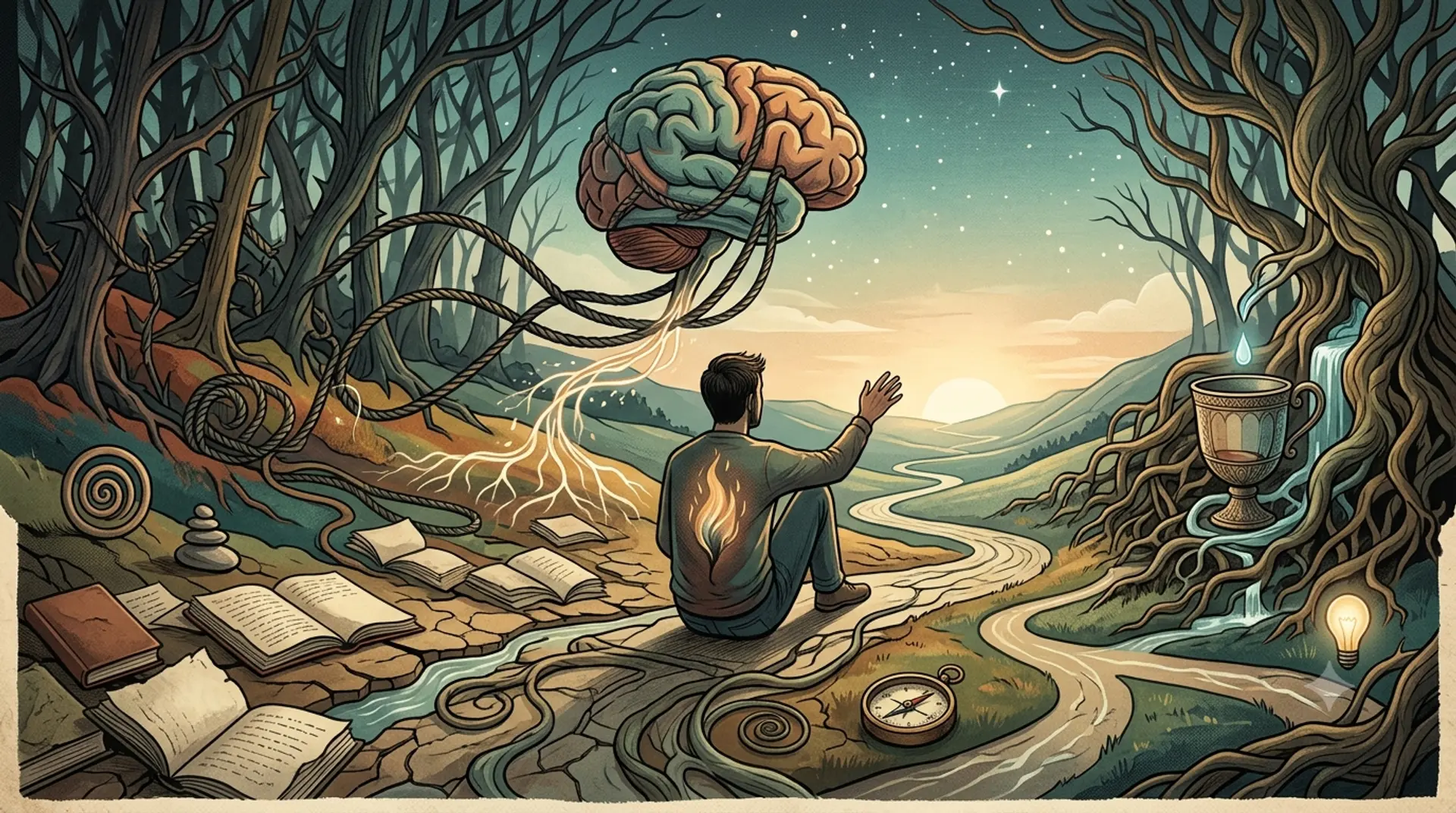

Emotional exhaustion is not always caused by one major event. Sometimes, it develops slowly through constant stress, unspoken emotions, unrealistic expectations, and the pressure to keep going even when we feel drained. Many people experience emotional fatigue without fully understanding why they feel disconnected, overwhelmed, or unable to handle everyday challenges.
The reasons often lie beneath the surface, connected to perfectionism, unresolved emotions, unhealthy boundaries, and the way we respond to stress. Books that explore emotional exhaustion help us understand the psychological patterns behind feeling tired even when we are not physically exhausted.
They reveal why we struggle to rest, why we carry emotional burdens, and how we can create healthier ways of living.
5 Books that explore the hidden causes of emotional exhaustion
1. Burnout by Emily Nagoski and Amelia Nagoski
Burnout explores why many people feel emotionally drained despite working hard and trying their best. Emily and Amelia Nagoski explain that exhaustion is often connected to chronic stress and the inability to complete the stress cycle. The book reveals that simply removing stressors is not always enough. The body and mind need time to process emotions and recover from constant pressure.
Through research and practical advice, the authors explain how perfectionism, unrealistic expectations, and societal pressures contribute to burnout. The book teaches readers that rest is not a reward but an essential part of maintaining emotional health.
2. The Body Keeps the Score by Bessel van der Kolk
Bessel van der Kolk’s The Body Keeps the Score explores how difficult experiences and emotional wounds can continue affecting the mind and body long after they happen. The book explains that unresolved stress can influence emotions, relationships, and the way people respond to everyday situations.
Emotional exhaustion can sometimes come from carrying past experiences that have never been fully processed.
Through scientific research and real-life examples, the book shows the importance of understanding the connection between emotional experiences and physical well-being.
3. Set Boundaries, Find Peace by Nedra Glover Tawwab
Set Boundaries, Find Peace explores how a lack of healthy boundaries can lead to emotional exhaustion.
Nedra Glover Tawwab explains that many people become drained because they constantly say yes to others while ignoring their own needs.
The fear of disappointing people often causes individuals to take on more responsibilities than they can handle. The book teaches that setting boundaries is not selfish but necessary for maintaining healthy relationships and protecting emotional energy. It helps readers understand how overextending themselves can slowly lead to exhaustion.

4. Radical acceptance by Tara Brach
In Radical Acceptance, Tara Brach explores how self-judgment, perfectionism, and the constant feeling of not being "good enough" contribute to emotional suffering. Drawing from psychology and mindfulness practices, she explains how people often trap themselves in cycles of shame, anxiety, and unrealistic expectations.
Brach encourages readers to accept themselves with compassion rather than constantly striving for perfection. By learning to embrace imperfections and be present with difficult emotions, readers can experience greater inner peace, emotional resilience, and self-acceptance.
5. Lost Connections by Johann Hari
Johann Hari’s Lost Connections explores the deeper reasons behind emotional struggles, including feelings of disconnection, loneliness, and lack of purpose. The book examines how modern lifestyles can contribute to emotional exhaustion by weakening our connection with meaningful relationships, community, and personal values.
Hari argues that emotional well-being is influenced by many factors beyond individual choices. The book encourages readers to look at the larger circumstances affecting their mental and emotional energy.
Understanding what drains us
Emotional exhaustion is often a signal that something deeper needs attention. It can come from carrying too many responsibilities, ignoring personal needs, or living in ways that disconnect us from what truly matters.
These books help readers understand that exhaustion is not simply about being tired.
It is often about the emotional weight we carry every day. By recognising the causes behind our fatigue, we can begin creating healthier boundaries, better habits, and a more balanced life.