



7 Books that explore the meaning of home and belonging
Discover 7 books that explore the meaning of home, belonging, identity, and the emotional connections that shape where we truly feel accepted.

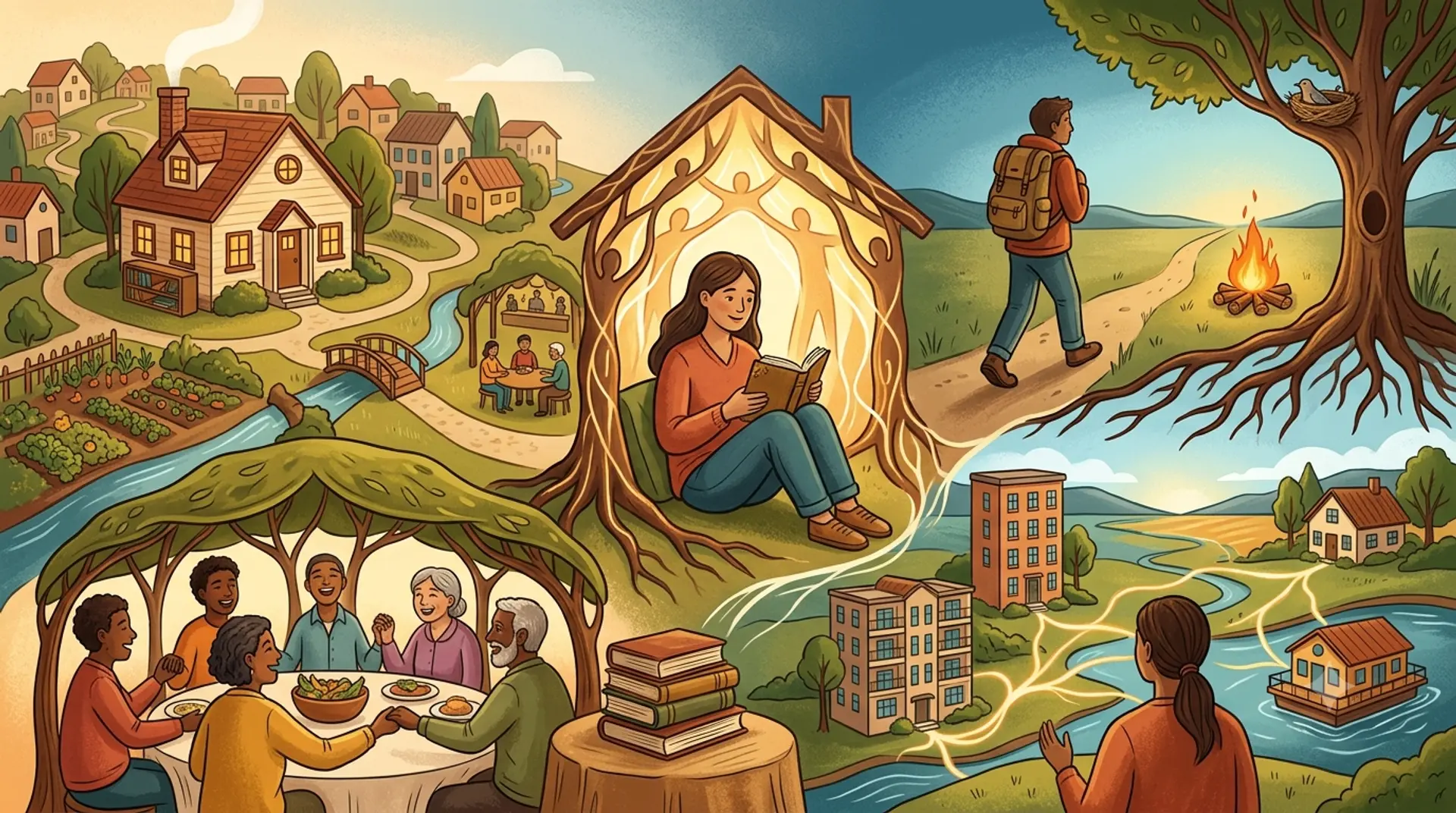

Home is often described as a place, but its meaning goes far beyond walls, rooms, or a physical location. For many people, home represents safety, memories, identity, and the feeling of being understood. It can be connected to a family, a community, a culture, or even a person who makes us feel accepted. The search for belonging is one of the most universal human experiences.
People often spend their lives trying to understand where they fit, what shapes their identity, and what truly makes a place feel like home. Books have a unique way of exploring these emotions through characters who leave places, search for acceptance, rebuild their lives, or discover that belonging is not always tied to geography.
7 Books that explore the meaning of home
1. The Namesake by Jhumpa Lahiri
Jhumpa Lahiri’s The Namesake explores the complicated relationship between identity, family, and cultural belonging. The novel follows Gogol Ganguli, the son of Indian immigrants in America, as he struggles to understand his name, heritage, and place between two cultures.
Through Gogol’s journey, the book shows how home can exist between different worlds. His experience reflects the challenges of growing up with multiple identities and trying to balance family expectations with personal desires. The story teaches that belonging is not always about choosing one side of yourself. Sometimes, home is created by accepting every part of who you are.
2. A Man Called Ove by Fredrik Backman
A Man Called Ove tells the story of a lonely man who believes he has lost his purpose after experiencing personal loss. However, unexpected friendships with his neighbours slowly change his understanding of connection and belonging.
Ove’s character shows that home is not only about a physical space but also about the people who surround us. The relationships he builds remind him that even after loss, there can still be warmth, care, and a sense of community. The book explores how human connections can transform loneliness into a feeling of belonging.
3. The House on Mango Street by Sandra Cisneros
Sandra Cisneros’ The House on Mango Street follows Esperanza Cordero, a young girl growing up in a poor neighbourhood while dreaming of a place she can truly call her own. Through short and powerful stories, the book explores themes of identity, culture, gender, and the meaning of home.
Esperanza’s relationship with her neighbourhood shows how places can shape our memories and influence who we become. The novel teaches that home is not always perfect, but it can become part of our personal story and inspire us to create a better future.
4. The Joy Luck Club by Amy Tan
Amy Tan’s The Joy Luck Club explores the relationship between immigrant mothers and their daughters as they navigate cultural differences, family history, and identity. The book reveals how belonging can be influenced by generations of experiences.
The characters struggle to understand each other because they come from different backgrounds, but they eventually discover the importance of their shared stories. The novel shows that home is often built through memories, traditions, and the emotional connections passed down through families.
5. The Little Prince by Antoine de Saint-Exupéry
Although The Little Prince appears to be a simple children’s story, it explores deep ideas about love, relationships, and what makes a place meaningful. Through the Little Prince’s journey across different planets, the book shows that belonging comes from the connections we create and the people we care for.
His bond with his rose teaches that love and responsibility give meaning to our lives. The story reminds readers that home is not necessarily where we are located but where our hearts feel connected.
6. Pachinko by Min Jin Lee
Min Jin Lee’s Pachinko follows generations of a Korean family living in Japan and explores themes of migration, identity, discrimination, and survival. The characters experience the difficulty of feeling like outsiders while trying to build a life in a place that does not fully accept them.
Their journey reveals how belonging can be complicated when people are caught between cultures and histories. The book shows that home is often something people create through resilience, family bonds, and shared experiences.

7. Where the Crawdads Sing by Delia Owens
Where the Crawdads Sing tells the story of Kya Clark, a young woman who grows up isolated in the marshes of North Carolina. Rejected by society, she finds comfort and belonging in nature. Kya’s story explores what happens when someone feels disconnected from people but deeply connected to the world around them.
Her journey reveals the human need for acceptance and understanding. The book teaches that belonging can be found in unexpected places and that feeling at home begins with accepting oneself.
Discovering where we belong
These books show that home is not always a place we return to; sometimes, it is something we create through relationships, memories, and self-acceptance. The search for belonging is part of being human. Whether through family, friendships, culture, or personal identity, these stories remind us that everyone is searching for a place where they feel seen, valued, and truly at home.