



5 Lessons from The Let Them Theory that change your mindset
Discover five powerful lessons from The Let Them Theory that can help you stop overthinking, let go of control, and build a healthier mindset.

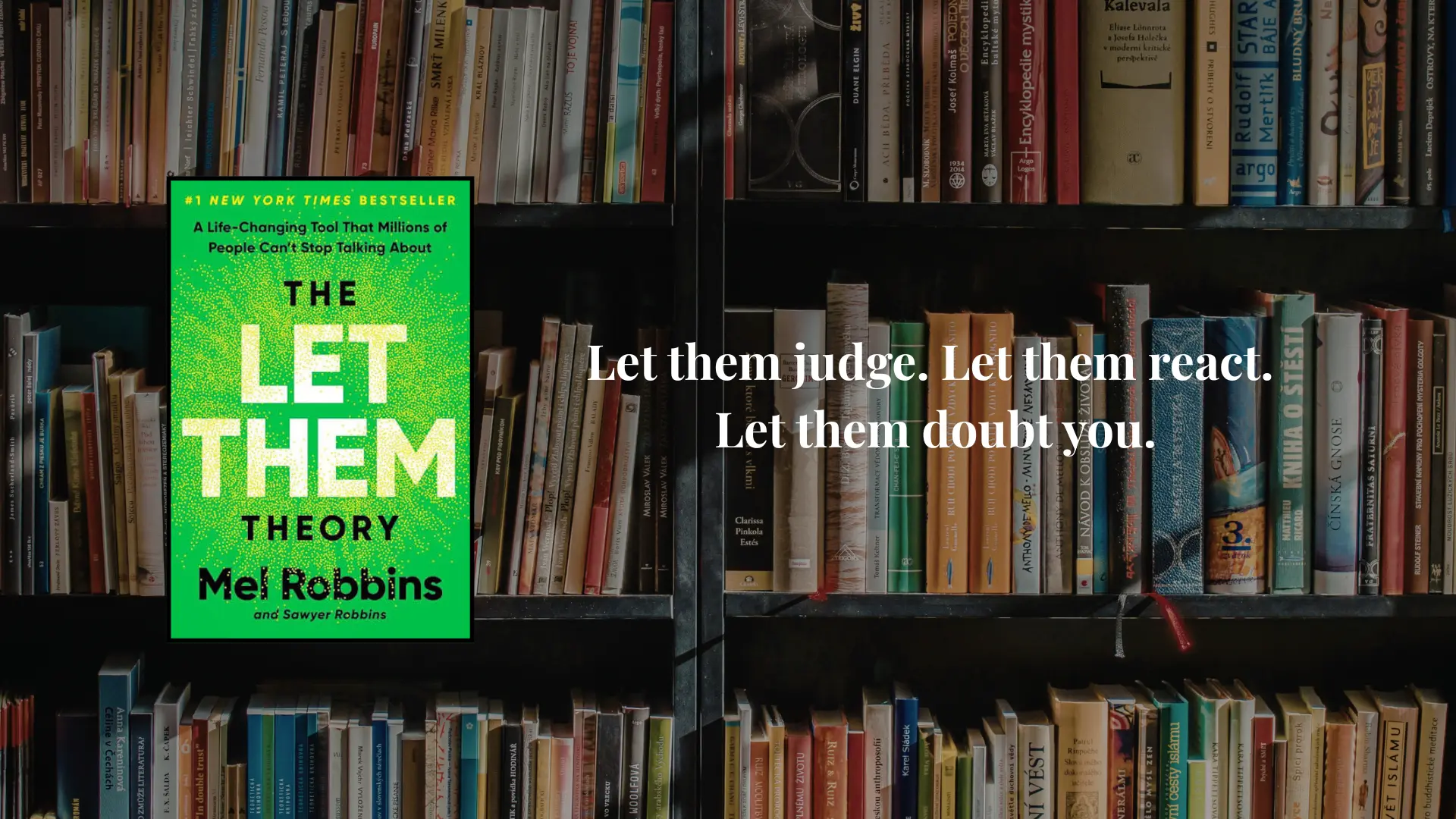

Many of us spend a surprising amount of energy trying to control things that were never ours to control in the first place. We worry about what other people think, overanalyse their behaviour, and exhaust ourselves trying to gain approval or avoid disappointment. The result is often stress, frustration, and a constant feeling that our happiness depends on someone else's actions.
In The Let Them Theory, Mel Robbins offers a simple but powerful idea: when people want to do something, let them. Instead of fighting reality or trying to manage the choices of others, focus your energy on what you can actually control: your own actions, decisions, and mindset.
The book's message resonates because it challenges a habit many people don't even realise they have. By learning to let go of unnecessary control, readers can create more peace, confidence, and freedom in their lives.
5 Powerful lessons from The Let Them Theory
1. Stop trying to control other people
One of the book's core lessons is that you cannot control how other people behave. You cannot force someone to value you, include you, support you, or make the choices you want them to make.
Many people waste years trying to influence the actions of others, believing that if they say the right thing or try hard enough, they can change someone's behaviour. The Let Them Theory encourages readers to accept reality instead.
When someone shows you who they are through their actions, pay attention. Let them make their choices and use that information to decide how you want to respond.
2. Rejection is often redirection
Most people see rejection as proof that they are not good enough. The book offers a different perspective.
If someone doesn't choose you, invite you, hire you, or appreciate you, that rejection may actually be protecting you from something that isn't meant for you. Rather than viewing every setback as a personal failure, see it as a sign that a different path may be a better fit.
This shift in thinking helps reduce self-doubt and encourages resilience when things don't go according to plan.
3. Your energy is your most valuable resource
The book repeatedly emphasises the importance of protecting your mental and emotional energy.
Every minute spent worrying about someone else's opinion is a minute that could be invested in your goals, relationships, health, or personal growth. When you stop obsessing over what others are doing, you create space to focus on what truly matters.
People often discover that they have far more energy available once they stop carrying the burden of managing everyone else's behaviour.
4. Let people reveal their true priorities
Actions often communicate more clearly than words.
If someone consistently cancels plans, ignores messages, or makes little effort to maintain a relationship, their behaviour is telling you something important. Instead of making excuses for them or trying harder to gain their attention, let them show you where you stand.
This lesson is not about becoming cynical. It is about recognising reality and making decisions based on evidence rather than wishful thinking.
By accepting what people demonstrate through their actions, you can build healthier and more balanced relationships.

5. Focus on what you can control
Perhaps the most transformative lesson in the book is the distinction between what you can control and what you cannot.
You cannot control another person's choices, opinions, feelings, or actions. You can control your attitude, boundaries, habits, effort, and response.
When you direct your attention toward these areas, you regain a sense of personal power. Instead of feeling helpless because of someone else's behaviour, you become responsible for your own growth and well-being.
This mindset shift can lead to greater confidence, emotional stability, and peace of mind.
The takeaway
The power of The Let Them Theory lies in its simplicity. Its central message is not about giving up on people or becoming indifferent. It is about accepting reality, respecting other people's choices, and focusing your energy where it can make the greatest difference.
By learning to stop controlling others, viewing rejection differently, protecting your energy, paying attention to actions, and focusing on what you can control, you can develop a healthier and more resilient mindset.
Sometimes the most freeing words are also the simplest: let them.