


Lohia Aerospace makes carbon and glass composite parts for aircraft and defence platforms
The Kanpur-based company designs and manufactures composite assemblies and components for global aerospace equipment manufacturers from its plants in Uttar Pradesh and Israel.

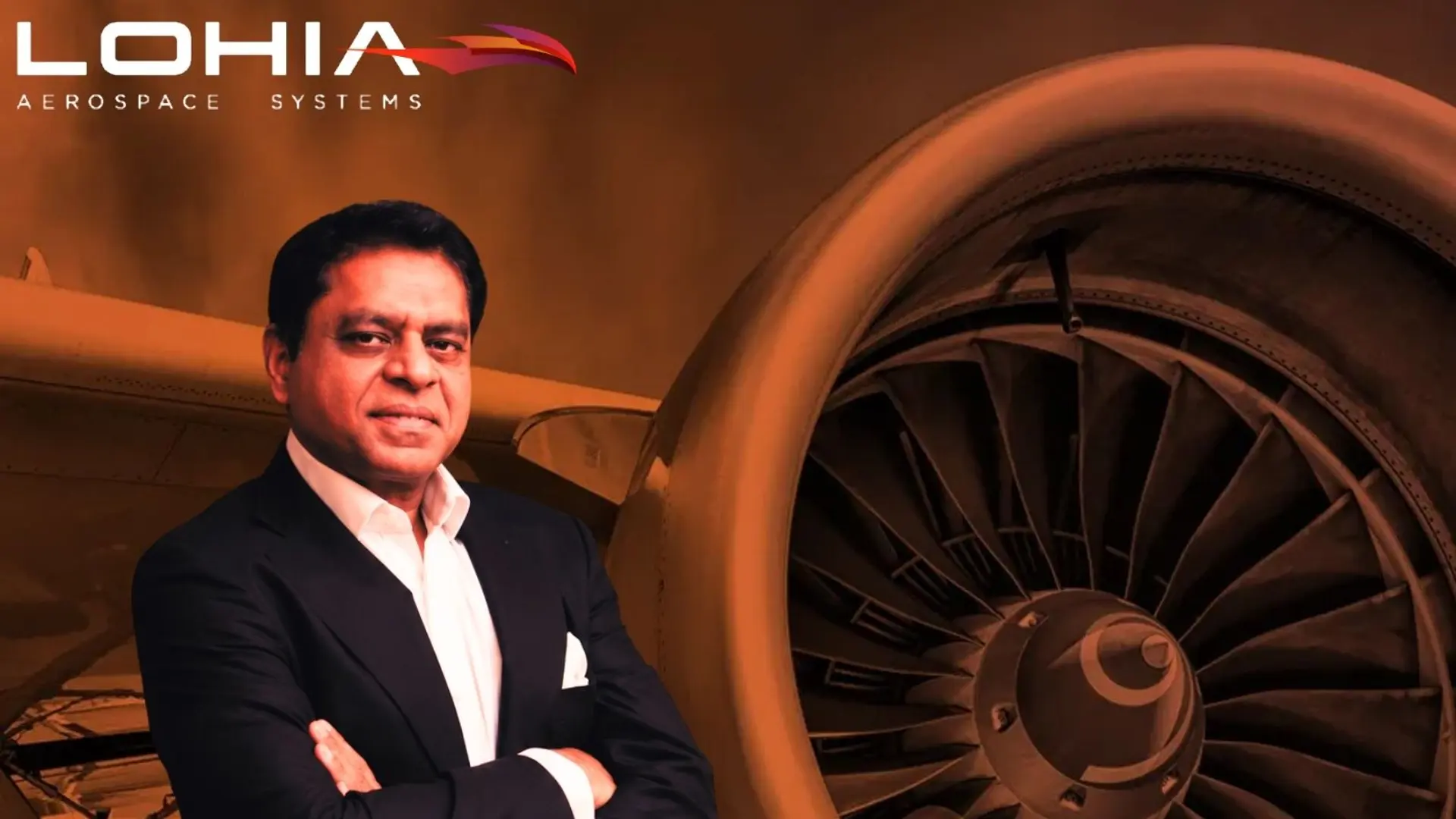

Modern aircraft are built increasingly out of composites rather than metal. Carbon and glass fibre parts are lighter, resist fatigue better, and allow designers to shape structures that metal cannot easily produce. Making them up to aerospace standards is a different matter. The process is exacting, the tooling is expensive, and for years India had little capacity to do it at the quality global manufacturers require.
was incorporated in March 2019 to build exactly that. It is the aerospace and defence arm of the Lohia Group, a Kanpur manufacturing house that employs around 5,000 people, and it is led by Anurag Lohia.
The move was less of a leap than it looked. The group's existing business runs on polymers: machinery for the woven sack industry, injection-moulded automotive components and technical textiles. The company has described a carbon and glass composite plant as a natural extension of that, into a field where it saw Indian industry unable to meet global aerospace standards.
Two plants, two countries
The company designs and manufactures composite assemblies and components for aerospace and defence customers, supplying global original equipment manufacturers (OEMs). Its products cover commercial, military and space applications, and it employs somewhere between 50 and 200 people, according to its own listing.
Qualification is what makes the segment hard to enter. A composite part destined for an aircraft has to be proved out against the customer's standards before it can be fitted, and the approval process runs for years. That is the barrier the company has said Indian industry had not previously cleared at scale.
Manufacturing runs across two sites. The main plant sits in the Lohia Industrial Complex in Kanpur, which the company describes as north India's first aerospace composites facility. The second is Light and Strong Ltd, a composites manufacturer in Kanot, Israel, which the group acquired.
Buying the Israeli operation was how the company got its technology. Rather than developing composite processes from scratch, it acquired an established manufacturer and brought the capability in, a route that shortens what is otherwise a long qualification cycle in aerospace.
The company has said its composite specialists have more than a century of combined experience across aviation, military and aerospace manufacturing, and that its products are customised to client specifications.

From Kanpur to the Paris Air Show
Lohia Aerospace has been building visibility in the export market. It exhibited at the Paris Air Show in 2025, presenting its composite manufacturing capabilities to international buyers, and its stated aim is to become a leading Indian exporter of customised composite products.
Closer to home, the company has been a supplier to India's space programme, and appeared in broadcast coverage of the Chandrayaan-3 launch discussing private sector participation in the mission. Its Kanpur base also sits within the Uttar Pradesh Defence Industrial Corridor, one of two corridors the government set up to concentrate defence manufacturing.
In January 2026, the company raised a Series A from Singularity AMC, a Mumbai investment firm, at about $11.14 million, close to Rs 100 crores. The investment was made through compulsorily convertible preference shares across two tranches and gave Singularity an aggregate stake of 16.69%. It is the company's first institutional round, almost seven years after incorporation.
Its product range has widened along the way, from composite assemblies for aircraft into aerostructures, unmanned aerial vehicle structures and carbon fibre parts for bicycles and automotive customers. The company has described itself as a young business with still ways to go, and has said its intention is to move up the value chain towards more complex assemblies and integration work.
(This story has been researched and compiled using publicly available information.)