



5 Timeless horror classic books you must read in 2026
Explore 5 timeless horror classics to read in 2026, from Dracula to Frankenstein, featuring unforgettable chills and gothic suspense.

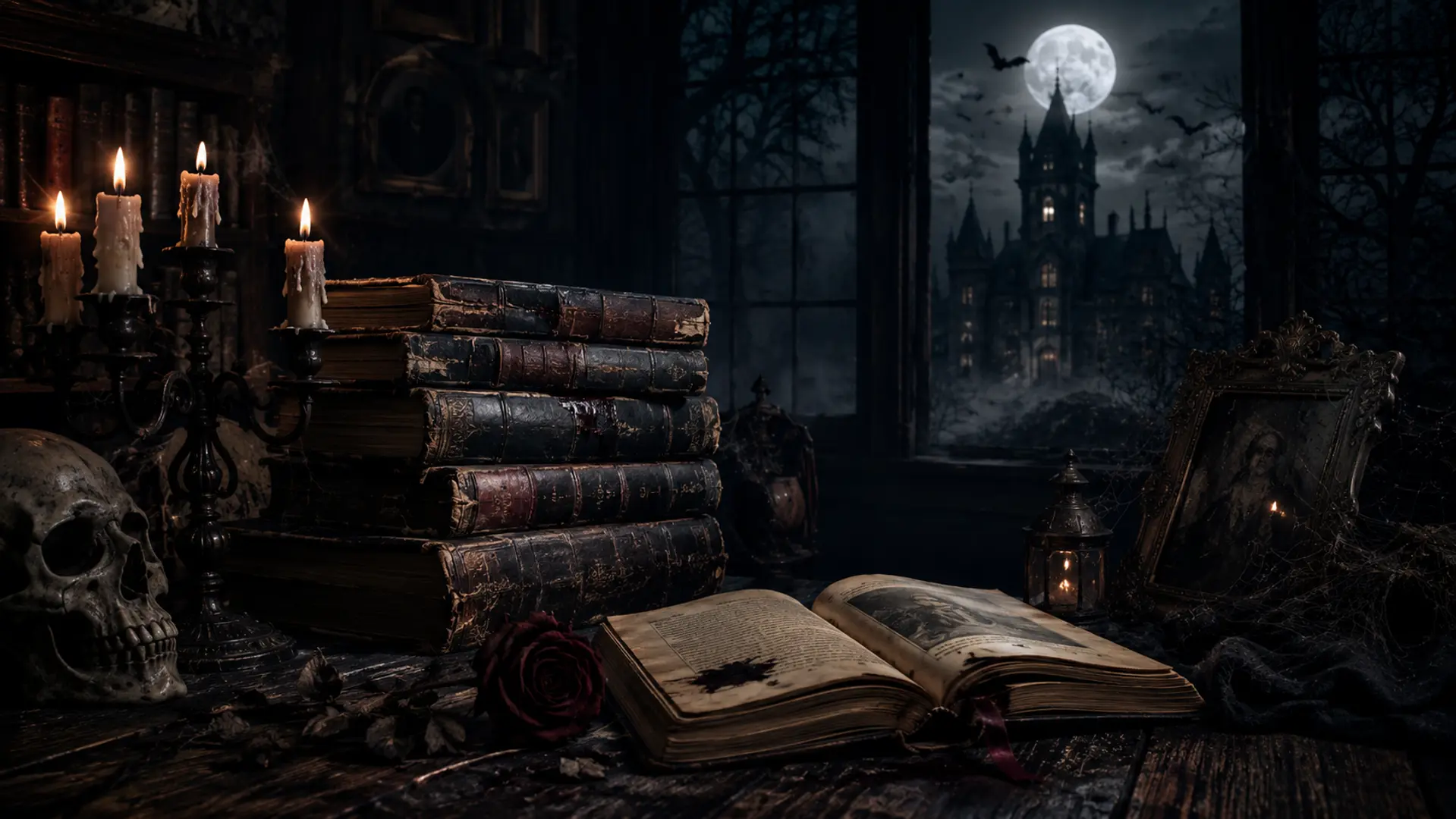

Horror fiction has a unique ability to linger in the mind long after the final page. While modern horror continues to evolve, some of the genre's greatest achievements were written decades, or even centuries, ago. These classic novels introduced iconic monsters, explored humanity's deepest fears, and shaped the horror stories we read today.
If you're looking to dive into the roots of the genre in 2026, these five horror classics deserve a place on your reading list. Each one offers a different kind of fear, from psychological dread to supernatural terror, proving that great horror never goes out of style.
5 Horror classic books you must read in 2026
1. Dracula by Bram Stoker
Few horror novels have had as much influence as Dracula. First published in 1897, Bram Stoker's masterpiece introduced Count Dracula, one of literature's most enduring villains. Told through letters, diary entries, and newspaper clippings, the novel follows a group of individuals attempting to stop the mysterious vampire from spreading terror across England.
What makes Dracula so effective is its atmosphere. The creeping sense of dread, the isolated castles, and the fear of the unknown create a story that remains unsettling more than a century later. For readers interested in gothic horror, vampires, and classic suspense, Dracula is essential reading.
2. Frankenstein by Mary Shelley
Often considered the first science-fiction horror novel, Frankenstein remains remarkably relevant today. Published in 1818, Mary Shelley's story follows Victor Frankenstein, a scientist who creates life through unnatural means and must face the consequences of his actions.
While many people know the monster through film adaptations, the original novel is far more complex. It explores loneliness, responsibility, ambition, and what it truly means to be human. Rather than relying on jump scares or gore, Shelley creates horror through emotional depth and moral questions.
It is a novel that continues to provoke thought while delivering moments of genuine unease.
3. The Haunting of Hill House by Shirley Jackson
Widely regarded as one of the greatest haunted house novels ever written, The Haunting of Hill House blends psychological tension with supernatural mystery. The story follows a small group of people who gather at the infamous Hill House to investigate paranormal activity.
As strange events begin to unfold, readers are left questioning whether the house is truly haunted or whether the terror exists within the characters themselves. Shirley Jackson's elegant prose and masterful ambiguity make this novel unforgettable. The fear comes not from monsters but from uncertainty, isolation, and the fragility of the human mind.
4. The Strange Case of Dr Jekyll and Mr Hyde by Robert Louis Stevenson
Published in 1886, this novella explores one of humanity's oldest fears: the darkness hidden within ourselves.
Dr Henry Jekyll develops a formula that transforms him into the violent and reckless Mr Hyde, allowing him to separate his respectable public identity from his darker impulses.
However, the experiment soon spirals out of control. The novel remains powerful because its central theme feels timeless. Everyone has different sides to their personality, and Stevenson's story examines what happens when those darker instincts are given complete freedom. Short, gripping, and deeply unsettling, it remains a cornerstone of horror literature.
5. The Turn of the Screw by Henry James
If you enjoy psychological horror that leaves you questioning everything, The Turn of the Screw is a must-read. The story centres on a governess who becomes convinced that two children in her care are being influenced by malevolent spirits. As the narrative progresses, readers are forced to decide whether the ghosts are real or whether the governess is losing her grip on reality.
Henry James masterfully uses ambiguity to create tension. The novel never provides clear answers, which only makes its mysteries more disturbing.
More than a ghost story, it is an exploration of fear, obsession, and perception.
Why these classics still matter
What makes these books endure is their ability to tap into universal fears. Whether it's fear of death, isolation, identity, ambition, or the supernatural, these stories continue to resonate because the emotions they explore are timeless. Modern horror may feature faster pacing and contemporary settings, but these classics laid the foundation for everything that followed. Their influence can still be seen in today's bestselling novels, films, and television series. For readers looking to explore the best the genre has to offer, these five horror classics provide the perfect place to start. They are haunting, thought-provoking, and proof that the most enduring nightmares are often the oldest ones.