



Why range anxiety isn’t about battery life; it’s about uncertainty at the charging station
The next phase of infrastructure in India has to be as much about reliable, real-time information as it is about physical rollout. Drivers need to know charger status before they commit to a detour. They need a realistic sense of waiting time. They need to know how busy a station is.

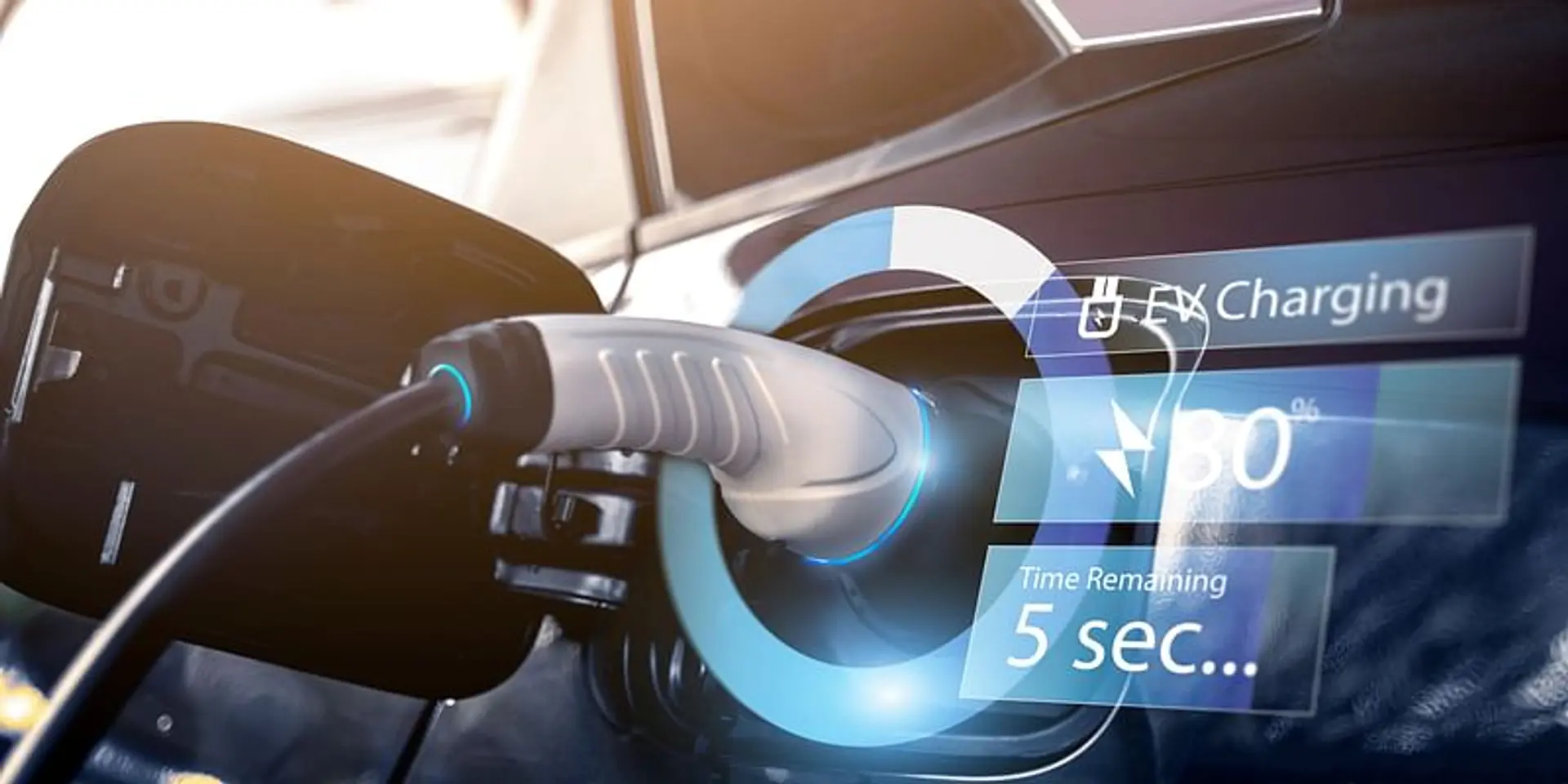

Every conversation about electric vehicles (EVs) in India eventually lands on the same subject: ‘range anxiety’. It’s become shorthand for everything holding back adoption, and the assumption baked into this term is that the problem is battery size. Bigger batteries, longer range, problem solved. That’s not quite right. The industry's obsession with range numbers is starting to distract from what actually determines whether someone trusts an EV for their daily life.
The real source of anxiety isn’t how far a car can go on a full charge. It’s not knowing what happens once the charge starts running low. Will there be a working charger nearby? Will it be free? Will it even be functional, or will the driver get there only to find an out-of-service unit with no warning? That’s not range anxiety. That’s uncertainty, and it’s a different problem that needs a different fix.
Addressing uncertainty
Think about how differently we behave around fuel. A petrol car with 40 kilometres left in the tank doesn’t cause panic, because the driver just knows there are multiple fuel stations within reach, and every one of them works the same way. No ambiguity about availability. The anxiety around EVs isn’t really about the number on the dashboard; it’s about not having that same confidence. A battery at 15 per cent, next to a charging station that shows up on a map but is a mystery in every other way, causes more stress than a battery at 10 per cent next to a station the driver has used before and trusts.
India’s charging infrastructure has grown a lot over the past few years, and, on paper, coverage in most urban corridors isn’t the bottleneck it once was. But the anxiety hasn’t gone away at the same pace, and that’s because infrastructure has been built for availability, not visibility. A charger existing somewhere on a map isn’t the same as a driver knowing, right when they need it, whether that charger is working, whether it’s occupied, and how long they’d have to wait if it isn’t free.
This is where the EV ecosystem needs to rethink things a bit. The next phase of infrastructure in India has to be as much about real-time information as it is about physical rollout. Drivers need to know charger status before they commit to a detour. They need a realistic sense of waiting time, not just a pin on a map. They need visibility into how busy a station is, the same way commuters check traffic before picking a route.
None of this needs new hardware standards or some battery breakthrough. It just needs connected systems that report status accurately and consistently, and operators treating that data as a basic utility instead of an afterthought.
Behavioural dynamics
There’s a behavioural angle here too. Uncertainty doesn’t just cause inconvenience; it changes decisions well before a trip even begins. A driver who isn’t confident about charger availability will end up overcompensating: charging more often than they need to, avoiding certain routes altogether, or just deciding an EV doesn’t suit their lifestyle. All of that gets blamed on battery range. But the battery was never really the constraint. Not knowing what to expect at the other end was.
Fixing this doesn’t mean every charging point has to be perfect or every station has to be free of queues. It means the system needs to be honest and current about its own state. A driver who’s told accurately that a station is occupied, with a realistic wait time, can plan around that. A driver who shows up to a charger that’s silently not working, with zero warning, loses trust in the whole network, not just that one unit. Reliable information, in a lot of ways, matters more to driver confidence than reliable hardware alone, because information failures add up fast. One bad experience with unreliable status data colours every future decision about whether public charging can be relied on at all.
As India’s EV ecosystem matures, the conversation needs to move past battery specs and charger counts. Those numbers matter, but they only answer whether infrastructure exists. They don’t answer the question drivers are actually asking in the moment they need to charge: can I trust what I’m being told about this station right now?
Solving this is less about laying more cable and more about building the visibility layer that tells drivers, with confidence, what to expect when they get there. That’s the anxiety worth solving. And it was never really about the battery.
Edited by Swetha Kannan