



Govt to match VC investments in Indian chip startups; Shah Rukh Khan, QED Investors back AI content firm Flam
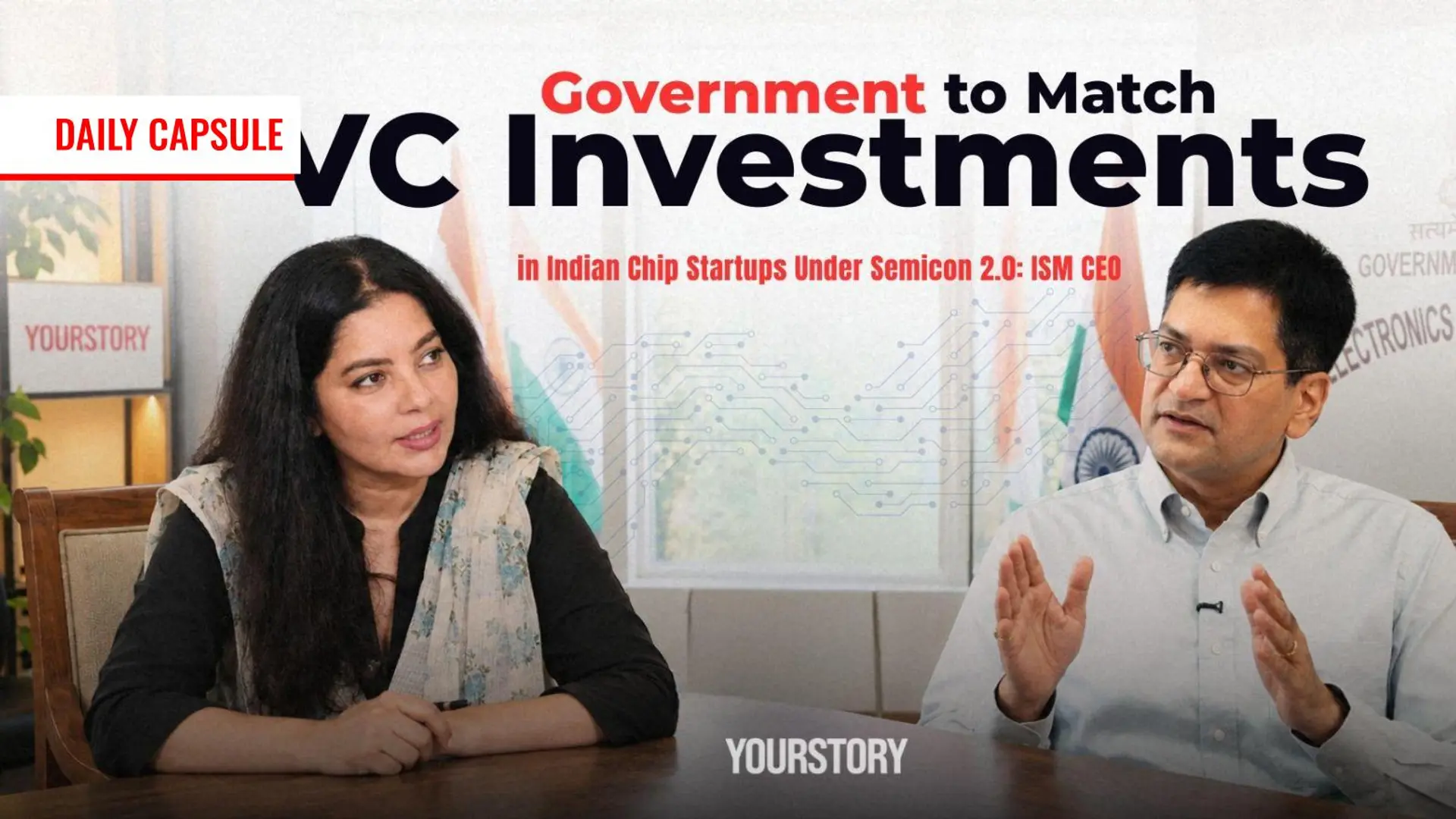
Amitesh Kumar Sinha, Additional Secretary at the Ministry of Electronics and Information Technology and CEO of the India Semiconductor Mission, lays out the thinking behind Semicon 2.0.


Dear Reader,
The government has rolled out a new framework for UPI payments.
It has set a 0.4% charge on UPI payments above Rs 2,000 to merchants and capped the fee for payments of Rs 75,000 and above at Rs 300. This ends the zero-MDR (merchant discount rate) regime in place from January 2020.
Person-to-person transactions and person-to-merchant transactions up to Rs 2,000 remain outside the scope of MDR. Consumers can continue to transact free of cost using UPI.
As competition in quick commerce heats up, Amazon’s Q-comm service, Amazon Now, is racing to capture demand in the smaller markets. The service has expanded to more than 60 cities in less than 10 weeks, including markets such as Tirupati, Guntur, Gurdaspur, Vellore and Warangal. The target is to get to 100 cities by Diwali.
Amazon Now has reached $1 billion in annualised gross sales in India over the last three months.
Meanwhile, a report by foundit shows that entry-level engineers outnumber the jobs available in the market. Professionals with 0-3 years of experience make up nearly 45% of the candidate pool against a requirement of just 28%.
Lastly, close on the heels of Anthropic CEO Dario Amodei urging for an AI slowdown, co-founder Jack Clark has joined the conversation. He has called for a kill switch that would shut off AI software if things got too dangerous.
In today’s newsletter:
- Govt to match VC investments in Indian chip startups: ISM CEO
- Shah Rukh Khan, QED Investors back AI content firm Flam
Here’s your trivia for today: Where was the first YouTube video filmed? (Scroll down for the answer)
Interview
Govt to match VC investments in Indian chip startups: ISM CEO
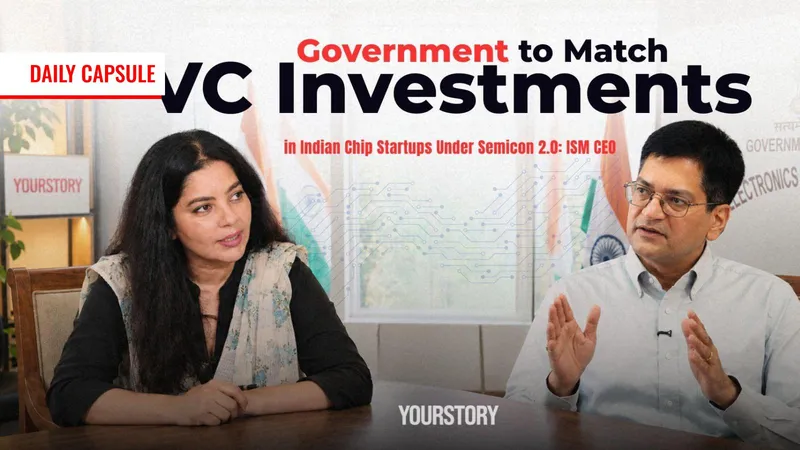
Amitesh Kumar Sinha, Additional Secretary at the Ministry of Electronics and Information Technology and CEO of the India Semiconductor Mission (ISM), lays out the thinking behind Semicon 2.0, the second phase of the semiconductor mission that turns the government from a grant-giver into a co-investor. This includes a model under which the government will match VC investments in approved chip startups rupee for rupee on the same terms.
“Seed funds for startups are grants; the rest is our investment, so the government shares both the upside and the failures,” said Sinha, in an interview to Shradha Sharma, Founder and CEO of YourStory and The Bharat Project, days before Semicon India 2026 opens in New Delhi.
Key takeaways:
- Phase one of the semiconductor mission was about anchoring demand. The 12 approved projects told the government what they needed from a supply chain, and that exposed the gap. Semicon 2.0, with an outlay of Rs 1,27,500 crore, is meant to close that gap.
- Equipment accounts for about 65% of the cost of a manufacturing plant, and chemicals, gases and materials make up about half of running costs, Sinha explained. Getting suppliers to set up in India is how the cost of manufacturing comes down and Indian companies become competitive, he added.
- What should happen by 2035 for Sinha to call the mission game-changing? Self-reliance in legacy fabs and every kind of packaging, with large export volumes, is the baseline. He also wants to see unicorns in semiconductor design. If India has closed the gap at the cutting edge by 2035, “I will call that success,” said Sinha. If it has begun working in parallel with the leading edge, “I will call it super success.”
Funding
Flam raises $40M from QED Investors, Shah Rukh Khan, others
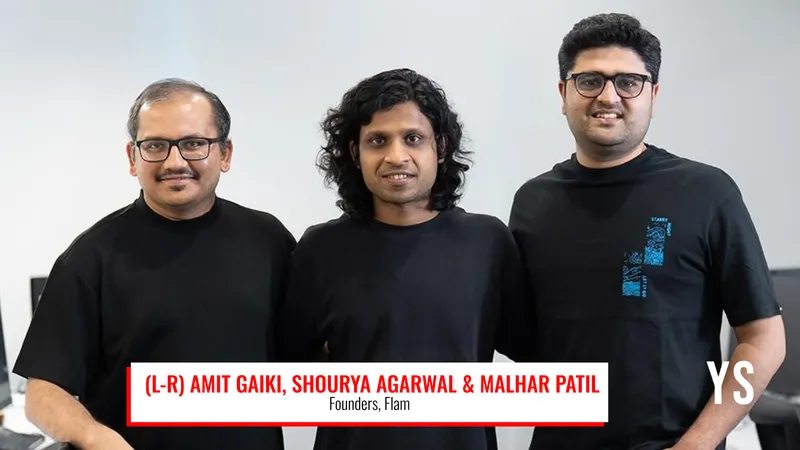
AI content firm Flam has raised $40 million in a Series B round of funding led by QED Investors. Bollywood star Shah Rukh Khan has also pumped in money, apart from Claypond Capital, Martin Chavez, Olivier Pomel, Venky Harinarayan, and existing investors RTP Global and Dovetail.
The Bengaluru- and San Francisco-based tech startup, which enables AI-powered interactive content, was founded in 2021 by BITS Pilani alumni Shourya Agarwal, Malhar Patil and Amit Gaiki.
What Flam does:
- Enterprises use Flam’s AI platform for marketing, product visualisation, learning and development, entertainment, fan engagement, customer support, and sales. Flam’s clientele includes large enterprises such as Google, Reliance, and Hyundai.
- The startup has three products. Flicks are interactive videos that switch person, product, or scene mid-playback. Forge is an editing model that takes image references and changes specified elements. Airboards offer high-fidelity 3D content on a camera interface, with touch, voice interactions, and haptic feedback.
- “Flam is built on a simple observation. Content has moved in waves, from text to images to video, and every wave flowed one way, creator to viewer. We think interactive is the next default for the internet,” said Shourya Agarwal, Founder of Flam.
News & updates
- Child safety: Meta has agreed to report child safety-related matters to law enforcement agencies, according to government sources. The government will take action against platforms that fail to take proactive steps to ensure children’s safety online, the sources added.
- AI fear: US President Donald Trump has said fears about the safety of AI are a “hoax”, as he criticised calls to have more guardrails in place for the fast-moving technology.
- New launch: NODWIN Gaming has ventured into mainstream sports with the launch of a dedicated vertical, ‘NODWIN Sports’. It has appointed former Adidas executive Gurbaksh Singh Virdi to lead the new division.
Where was the first YouTube video filmed?
Answer: San Diego zoo
We would love to hear from you! To let us know what you liked and disliked about our newsletter, please mail [email protected].
If you don’t already get this newsletter in your inbox, sign up here. For past editions of the YourStory Buzz, you can check our Daily Capsule page here.