



7 Quotes from The Mountain Is You about self-transformation
Explore 7 powerful quotes from Brianna Wiest’s The Mountain Is You and discover how self-awareness, healing and change can transform your life.

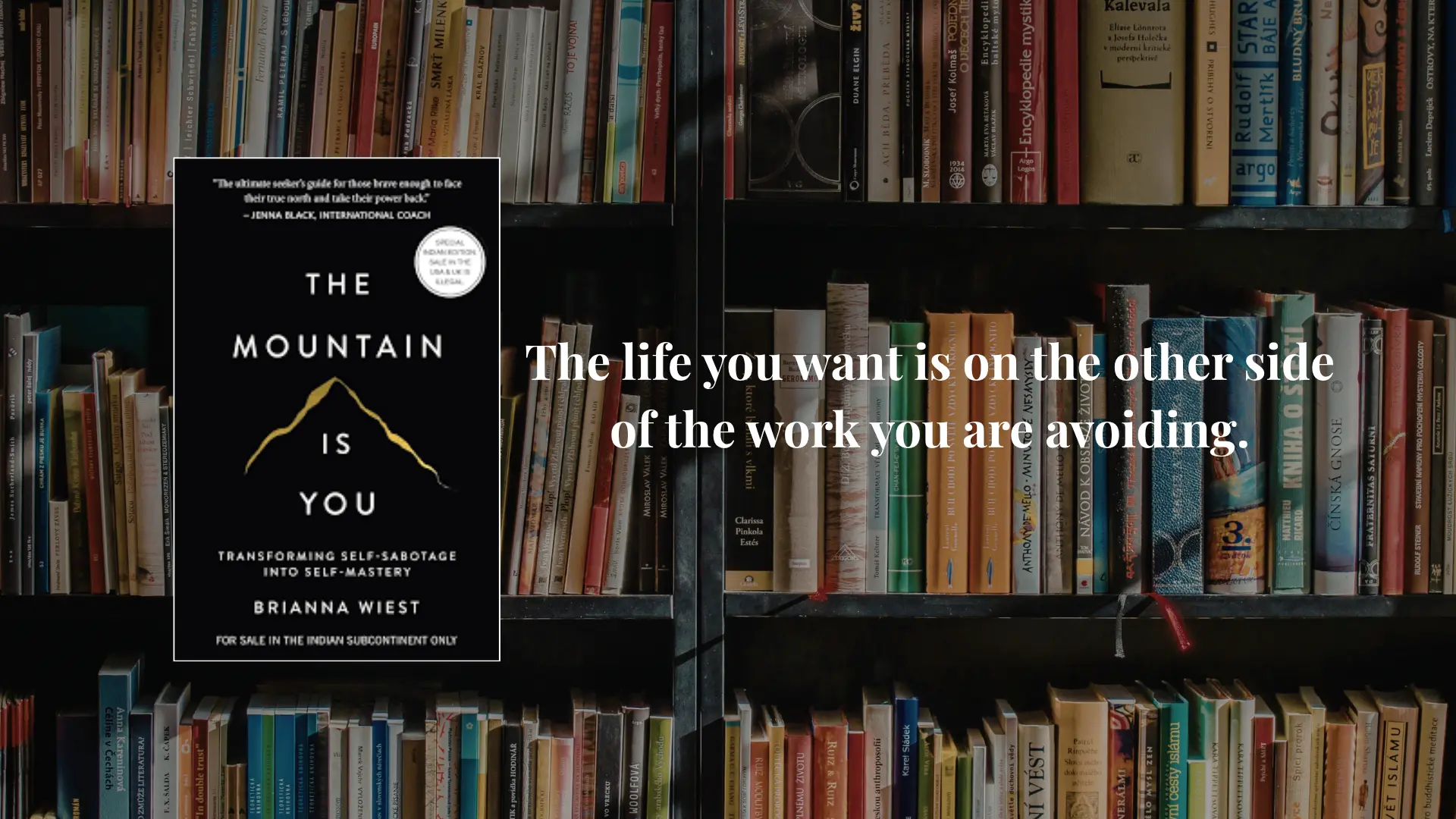

Brianna Wiest’s The Mountain Is You is ultimately about the difficult journey of becoming the person you are capable of being. The book explores self-sabotage, emotional patterns, fear, limiting beliefs and the internal resistance that can keep us attached to a life we have already outgrown.
Transformation rarely happens because we simply decide to change. We first have to understand why a part of us is resisting that change. Sometimes the habits we call self-sabotage are actually attempts to protect ourselves from uncertainty, rejection or discomfort.
7 Quotes from The Mountain Is You about self-transformation
1. “The mountain is you.”
The title itself delivers the central message of the book: the greatest obstacle between you and the life you want may not be your circumstances, but the internal patterns you have yet to understand.
Self-transformation begins when you stop seeing yourself as powerless against your circumstances. Instead, you begin examining the fears, beliefs and habits that repeatedly keep you from moving forward.
2. “You are not stuck.”
Feeling stuck can make your current circumstances seem permanent. But recognising that your patterns can change is the first step toward changing your life.
You may have repeated the same mistakes for years, but repetition does not mean permanence. Transformation begins when you become conscious of what you have been doing automatically.
3. “You are allowed to change your mind, to change your life, and to change yourself.”
Growth requires permitting yourself to become different from who you were before.
The person you were a few years ago does not have to determine who you become next. Your priorities can change, your boundaries can change, and even your definition of happiness can change.
Self-transformation means accepting that outgrowing an old version of yourself is not betrayal. It is growth.
4. “The life you want is on the other side of the work you are avoiding.”
Transformation often sounds inspiring until it requires you to confront the things you would rather ignore.
It may mean having an uncomfortable conversation, developing discipline, confronting an insecurity or finally acknowledging a pattern that has been hurting you.
The life you want cannot always be built from your comfort zone. Sometimes the first step is doing the difficult thing you have been postponing.
5. “Your new life is going to cost you your old one.”
One of the hardest parts of transformation is understanding that you cannot always carry every old habit, belief and identity into your future.
Becoming healthier may require abandoning unhealthy routines. Becoming confident may require letting go of constant approval-seeking. Becoming emotionally stronger may require creating distance from patterns that once felt familiar.
Change has a cost, but staying exactly where you are also has a cost.
6. “Self-sabotage is not a lack of self-love; it is a lack of understanding.”
When you repeatedly get in your own way, it is easy to label yourself lazy, weak or undisciplined.
But understanding the reason behind your behaviour can be more productive than criticising yourself.
Sometimes the behaviour that looks destructive on the surface is connected to a deeper need for safety, certainty or emotional protection. Once you understand that need, you can find healthier ways to meet it.

7. “You have to become the person who is capable of living the life you want.”
Wanting a different life is only the beginning. You also have to develop the mindset, habits and emotional strength required to sustain it.
If you want peace, you may need to stop feeding unnecessary chaos. If you want success, you may need to become more disciplined. If you want healthier relationships, you may need to develop stronger boundaries.
The goal of transformation is not simply to get a new life. It is to become someone who can genuinely live it.
The real lesson behind the mountain
Self-transformation is not about becoming perfect overnight. It is about becoming conscious.
You begin noticing the patterns you repeat, the emotions you avoid and the beliefs that influence your decisions. Instead of automatically reacting to life, you start choosing how you want to respond.
That is where meaningful change begins. The mountain represents everything within us that needs to be confronted, understood and eventually transformed. In the end, the goal is not to destroy the mountain. It is to climb it and become stronger along the way.