



8 Taylor Jenkins Reid quotes to help men understand women
Explore 8 Taylor Jenkins Reid quotes that capture the complexities of womanhood, from love and ambition to identity, independence, & self-worth.


Taylor Jenkins Reid has a remarkable ability to put complicated emotions into words. Her novels often place women at the centre of stories about love, ambition, identity, friendship, sacrifice, and the expectations society places on them.
What makes her writing especially relatable is that her female characters are rarely presented as perfect. They can be ambitious and vulnerable, confident and uncertain, loving and selfish, strong and deeply afraid, all at the same time.
From Evelyn Hugo's complicated choices in The Seven Husbands of Evelyn Hugo to the ambition and resilience explored in Daisy Jones & The Six and Carrie Soto Is Back, Reid creates women who feel layered and human.
Her characters do not simply fit into familiar ideas of what women should be. Instead, they question those expectations and choose, sometimes painfully, to define themselves.
These eight quotes capture some of the emotions and experiences that make her writing resonate so strongly with women.
8 Taylor Jenkins Reid quotes every man should read
1. “You have to know what you want before you can go after it.”
There is something powerful about understanding your own desires before worrying about whether other people will approve of them. Women are often encouraged to prioritise relationships, responsibilities, and other people's expectations, sometimes at the expense of their own ambitions. This idea challenges that habit by placing self-awareness at the beginning of personal growth.
Knowing what you want does not necessarily mean having your entire life figured out. It can simply mean being honest about what makes you happy, what you are willing to sacrifice, and what you refuse to compromise on.
Reid's writing repeatedly explores women discovering their own ambitions after years of being defined by someone else. The quote is a reminder that pursuing an authentic life begins with admitting what you truly want.
2. “Make them pay attention.”
Few things are more frustrating than feeling invisible or underestimated. Reid's characters often exist in worlds where women have to work harder to have their talent, ambition, or opinions taken seriously. This quote captures the determination to stop waiting for recognition and start demanding it through action.
There is a difference between seeking attention and refusing to be ignored. The latter comes from confidence in your own abilities.
Whether it is in a workplace, relationship, creative career, or personal life, sometimes women have to take up space in rooms that were never designed with them in mind.
The words encourage readers to stop shrinking themselves simply to make others comfortable and instead let their work, voice, and presence speak for themselves.
3. “People think that intimacy is about s*x. But intimacy is about truth.”
Intimacy is often reduced to romantic or physical relationships, but Reid explores a much deeper form of closeness. Being truly intimate with another person means allowing yourself to be seen without constantly editing who you are. It requires honesty, vulnerability, and the courage to reveal parts of yourself that you might normally keep hidden.
For many women, emotional openness can be complicated because vulnerability is sometimes mistaken for weakness. This quote challenges that idea. Real connection comes from being able to share fears, desires, disappointments, and uncomfortable truths without pretending to have everything under control.
Reid suggests that the most meaningful relationships are built not on appearances, but on honesty, vulnerability, and genuine understanding.
4. “You do not have to be good all the time.”
Women are frequently expected to be understanding, patient, caring, agreeable, and selfless. Over time, those expectations can create the exhausting pressure to always be the “good” person in every situation. Reid's characters often challenge this idea by showing that women are allowed to be complicated.
Being imperfect does not make someone a bad person. It means being human.
You can make mistakes, change your mind, protect your own interests, or choose yourself without constantly feeling guilty. Instead of spending your life trying to satisfy everyone's expectations, you can accept that sometimes making the right decision for yourself may disappoint someone else.

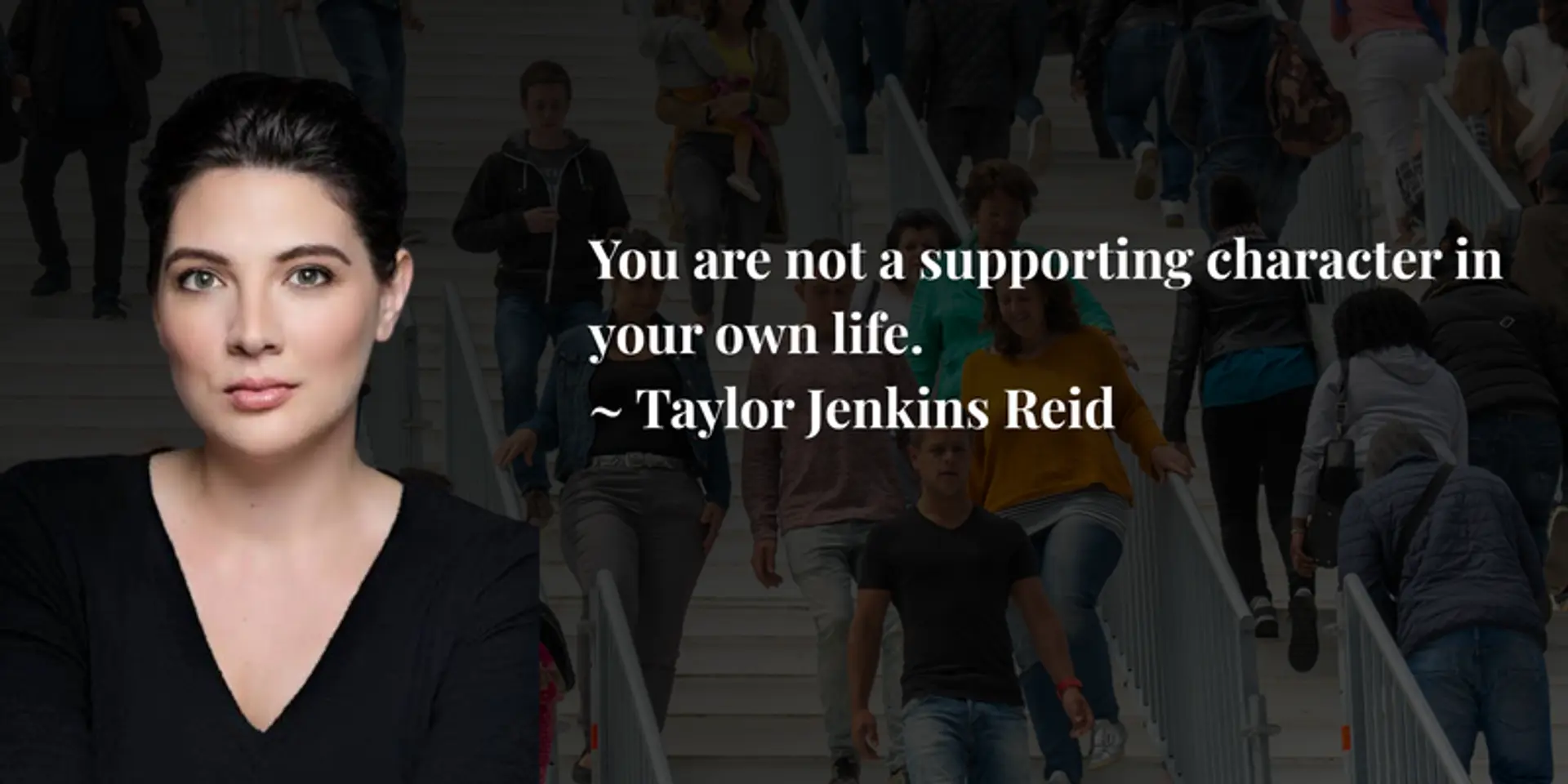
5. “You are not a supporting character in your own life.”
This idea strikes at the heart of what makes Reid's female characters so memorable. A woman can easily become defined by her role as someone's daughter, partner, wife, mother, friend, or colleague. While these relationships can be deeply meaningful, they should not erase her individual identity.
Your life is not supposed to revolve entirely around making other people happy. You are allowed to have ambitions that belong only to you, dreams that existed before a relationship, and goals that have nothing to do with anyone else's expectations.
Choosing yourself does not mean you love others less; it means you recognise that your own life matters too.
6. “There is no version of a woman who is perfect.”
The pressure to achieve perfection can follow women everywhere. They are expected to look a certain way, behave a certain way, succeed professionally, maintain relationships, and somehow balance everything without ever appearing overwhelmed.
Reid's writing pushes back against this impossible standard. Her characters are compelling precisely because they are flawed. They make questionable decisions, experience jealousy, fall in love with the wrong people, pursue ambitious goals, and sometimes hurt others.
Yet their imperfections make them more believable, not less worthy. This quote reminds readers that there is no single formula for being a “perfect” woman. There is only the challenge of becoming comfortable with being an imperfect person who is constantly learning and changing.
7. “Sometimes you have to lose yourself to find yourself.”
Personal transformation rarely happens without uncertainty. There are moments when the life we once understood no longer feels right, whether because of a relationship, career, changing priorities, or simply growing older. That period can feel like losing yourself, but it can also be the beginning of discovering who you really are.
Reid's stories frequently explore women navigating these turning points. They leave behind identities that were created for them and begin making choices based on who they have become.
The process is not always comfortable, and it may involve grief or loneliness. But sometimes losing the version of yourself that others expect you to be is exactly what allows a more authentic version to emerge.
8. “You can be a good person and still make bad choices.”
One of the most refreshing aspects of Reid's writing is that she does not divide women neatly into heroes and villains. Her characters can be loving yet selfish, ambitious yet insecure, courageous yet frightened. Their decisions can be wrong without making them entirely bad people.
Real life is rarely that simple. Everyone makes mistakes, sometimes knowingly and sometimes without understanding the consequences until later. This quote encourages a more nuanced understanding of ourselves and others.
Making a bad decision does not mean your entire identity is defined by that mistake. What matters is the ability to acknowledge what happened, learn from it, and continue growing.
Why should men read these quotes?
Taylor Jenkins Reid’s writing resonates because her women feel fully human: ambitious yet insecure, independent yet emotional, loving yet flawed. Her stories embrace the contradictions that make people real.
That is why her quotes feel personal. Rather than defining what women should be, they reflect the many ways women experience ambition, desire, mistakes and relationships, reminding readers that there is no single way to be a woman.