



IIT Madras director says AI will create more jobs than it cuts
What if AI creates more jobs than it takes away? IIT Madras director V Kamakoti explains why India must upskill.

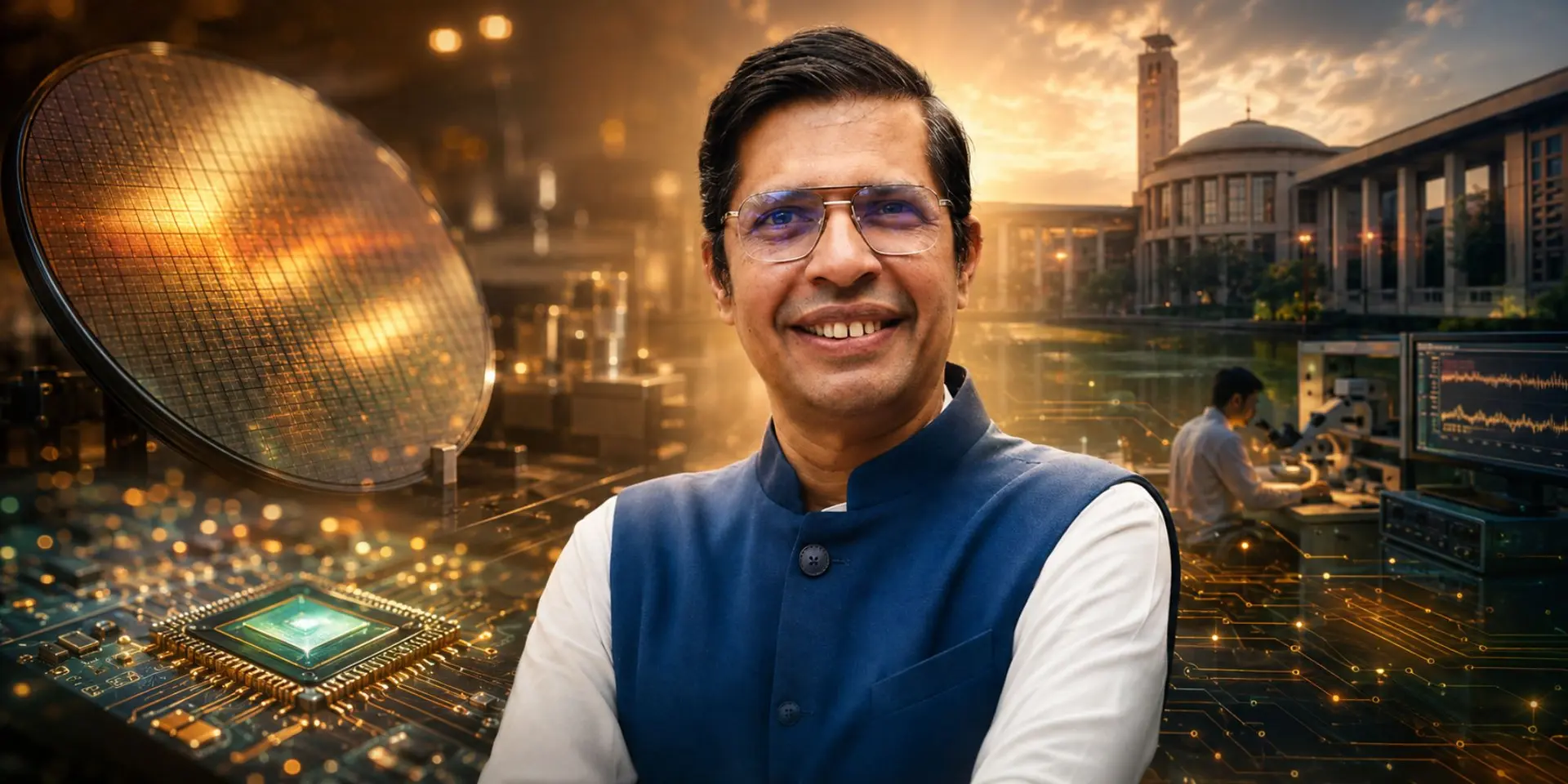

Worried that AI will take your job? The director of one of India’s top engineering institutes sees a very different future
IIT Madras director V. Kamakoti has said artificial intelligence could create more jobs than it takes, while changing the tasks people perform. Speaking in Coimbatore, he argued that workers and organisations should focus on adapting to AI through timely upskilling rather than viewing the technology only as a threat.
His comments come as businesses across industries experiment with AI for automation, analysis and productivity, while concerns about job displacement continue to grow.
AI could change jobs, not end them
According to V. Kamakoti, fears of widespread job losses overlook how previous technological changes have affected employment. When machines take over repetitive tasks, new roles can emerge around the technology and the industries using it.
AI could follow a similar path by automating certain activities while increasing demand for skills involving judgement, creativity, problem-solving and specialised knowledge. That does not mean every worker or role will be protected from disruption. Some tasks will disappear or require fewer people.
However, the nature of work could change as employees spend more time on activities where human expertise remains important.
Where new opportunities could emerge
AI can help businesses increase output in areas such as design, data analysis, quality control and customer support. If companies can complete work faster and reduce certain operating costs, they may be able to take on more projects or reach new customers.
That can create demand for people who implement AI systems, integrate them with existing software, monitor their performance and manage compliance. In manufacturing centres such as Coimbatore, this could create opportunities across sectors including textiles, engineering, machinery and automobile components.
The impact will depend on how individual businesses adopt the technology and whether productivity gains translate into expansion.
The skills workers will need
One of the clearest messages from Veezhinathan Kamakoti is that workers need to learn how to use AI alongside their existing expertise. Domain knowledge will remain important, but AI literacy could increasingly become an advantage.
Workers may need to understand how to frame problems for AI systems, check their outputs and identify when a model has produced an unreliable answer. Skills in data handling, prompt design, verification, cybersecurity and responsible AI use could therefore become more valuable.
For students, this means combining strong fundamentals with practical experience using modern AI tools. For experienced workers, targeted reskilling could be more useful than starting their careers again from scratch.

Businesses also have a role
The transition will not depend on workers alone. Companies will need to invest in training and establish clear rules for deploying AI safely. Human oversight, testing and documentation can help organisations understand how automated systems affect employees, customers and business decisions.
Small and medium-sized businesses may need additional support because access to AI tools, computing infrastructure and skilled employees can be more difficult for them.
A shift worth preparing for
AI will almost certainly automate some tasks, and some roles could shrink as a result. The bigger question is what happens to the work created around those changes. Veezhinathan Kamakoti's view is that AI could ultimately expand employment if productivity gains lead to new products, services and business opportunities.
For India's workforce, the immediate priority is preparation. Learning how to work with AI while strengthening domain expertise could determine whether workers experience the technology mainly as a disruption or as a new productivity tool.