



Anthropic debuts Claude for Healthcare days after OpenAI launches medical tool
Anthropic is expanding its life-sciences offerings with Claude for Healthcare, positioning itself as a secure alternative following recent medical AI safety concerns.

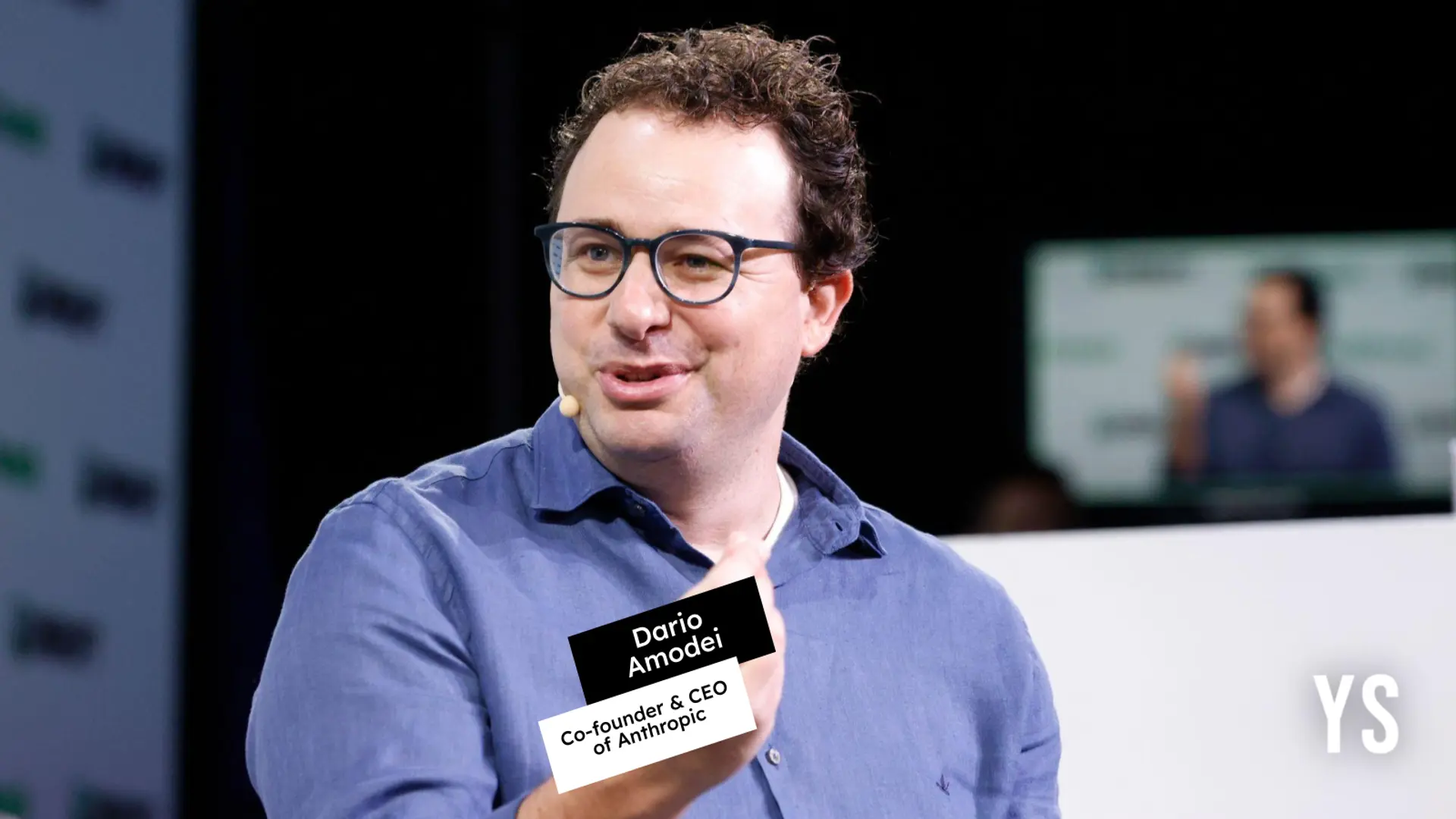

AI firm Anthropic has launched Claude for Healthcare, marking a strategic expansion into the medical and life sciences markets. This new suite of tools is designed to help providers, insurers, and patients navigate complex medical data through products that meet HIPAA security standards.
The company also detailed major updates to Claude for Life Sciences. Anthropic is now connecting its latest model, Opus 4.5, to critical scientific platforms such as Medidata and ClinicalTrials.gov.
According to the company, these updates are intended to support everything from clinical trial management to the drafting of regulatory submissions. By using a new range of connectors, Claude can now pull information directly from the Centers for Medicare and Medicaid Services (CMS) coverage database and the ICD-10 diagnosis registry.
This specialised approach aims to reduce the heavy administrative burden currently facing the healthcare industry. For example, a new agent skill for prior authorisation allows the AI to cross-reference patient records against clinical guidelines to speed up care approvals.
Anthropic claims that Opus 4.5 shows a major step forward in factual accuracy and reasoning, specifically in interpreting scientific figures and computational biology.
The move comes during a period of intense activity in the medical AI sector. Only days earlier, OpenAI made its own play with two major announcements. It introduced ChatGPT Health, a consumer-focused experience that allows users to link their medical records and wearable data to the AI. This was followed by OpenAI for Healthcare, an enterprise-grade platform built on GPT-5.2 and already in use at institutions such as Memorial Sloan Kettering and Stanford Medicine.
While Anthropic and OpenAI are moving quickly to integrate AI into patient care, the risks of automated medical advice have become increasingly apparent. Google recently took the step of removing its AI Overviews for certain health-related searches following reports of inaccurate information. An investigation by The Guardian revealed that the search engine had provided misleading data regarding liver function test ranges, failing to account for critical variables like age, sex, and ethnicity.
Anthropic is positioning itself as a safety-first alternative. The company emphasises its use of Constitutional AI, which focuses on creating helpful and honest systems. By grounding Claude in verified databases like PubMed and the CDC registry, Anthropic hopes to avoid the hallucinations that have plagued more general search models.
Meanwhile, the industry is now shifting away from general-purpose assistants toward highly grounded, data-secure agents. Anthropic is collaborating with several pharmaceutical partners, including Sanofi and Schrödinger, to refine these tools. These partners report that the AI is being used to automate clinical documentation and accelerate drug discovery.
As AI becomes more deeply embedded in the healthcare infrastructure, the focus is clearly moving from simple conversational ability to verified accuracy and professional-grade reliability.
Edited by Affirunisa Kankudti