


Google Reportedly Buys Over 3 Million AI Chips
Reports indicate Google has tapped Intel to produce more than 3 million TPUs for 2028, signalling a strategic shift in AI hardware sourcing.

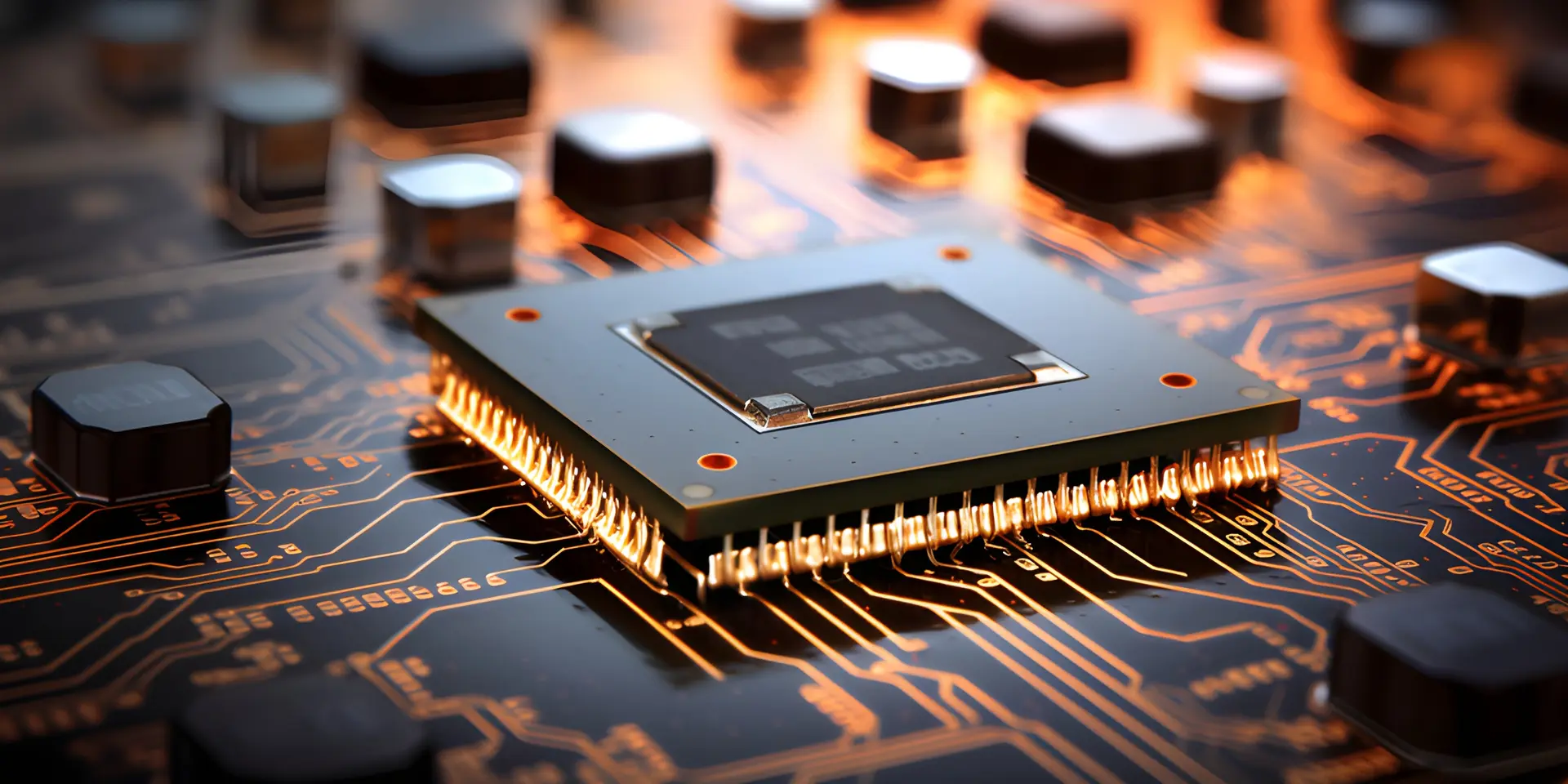

A massive order today could shape the future of AI tomorrow. Google is reportedly preparing one of the biggest AI hardware investments in recent years, with plans to source more than 3 million custom AI chips from Intel.
While the deal remains unconfirmed by the companies involved, reports suggest it could become a landmark moment for both Google's AI ambitions and Intel's efforts to revive its chip manufacturing business.
If the reports prove accurate, it shows how the world's largest technology companies are securing the computing power needed for the next generation of artificial intelligence.
A reported order of unprecedented scale
According to reports, Google has placed an order for over 3 million Tensor Processing Units (TPUs), its in-house AI accelerators designed specifically for machine learning workloads. TPUs are the specialised chips that help power many of Google's AI services, from Search and Cloud products to advanced generative AI models.
Production is reportedly expected to begin around 2028, giving Google a long-term pathway to expand its AI infrastructure. Some media outlets suggest Intel's role may focus heavily on advanced chip packaging rather than full-scale manufacturing.
Packaging refers to the process of assembling chip components into a final product capable of operating efficiently inside data centres. Regardless of the exact scope, the reported volume highlights Google's growing appetite for AI computing capacity.
Why Google may be looking beyond TSMC
For years, the world's leading technology companies have relied heavily on the Taiwan-based foundry giant TSMC to manufacture advanced chips. However, soaring demand for AI hardware has put increasing pressure on global semiconductor supply chains.
As companies race to build larger AI models and expand cloud infrastructure, securing manufacturing capacity has become a strategic priority. Intel has been positioning itself as an alternative supplier through its foundry business, promoting its advanced 18A manufacturing process alongside cutting-edge packaging technologies.
By working with multiple partners, Google could reduce its dependence on a single supplier while improving flexibility for future AI deployments.

A potential turning point for Intel
The reported agreement could be particularly significant for Intel. Over the past few years, the company has invested heavily in rebuilding its manufacturing capabilities and attracting external customers.
Winning a multi-million-unit order from one of the world's largest cloud providers would represent a major endorsement of that strategy. Investor enthusiasm reflects that possibility. The development also comes amid broader industry speculation that other AI leaders, including Nvidia, are evaluating Intel's manufacturing and packaging technologies for future products.
The bottom line
Google's reported order for more than 3 million AI chips is far more than hardware. It reflects how the AI race is increasingly being fought through supply chains, manufacturing capacity and long-term infrastructure planning.
Whether Intel ultimately manufactures the chips, packages them, or does both, the message is clear: securing AI compute for the late 2020s has already become a battle worth billions.