



Google brings more AI tools to Ads and Analytics
Google is adding AI-powered insights, dashboards and benchmarking to Ads and Analytics to help marketers understand data faster.

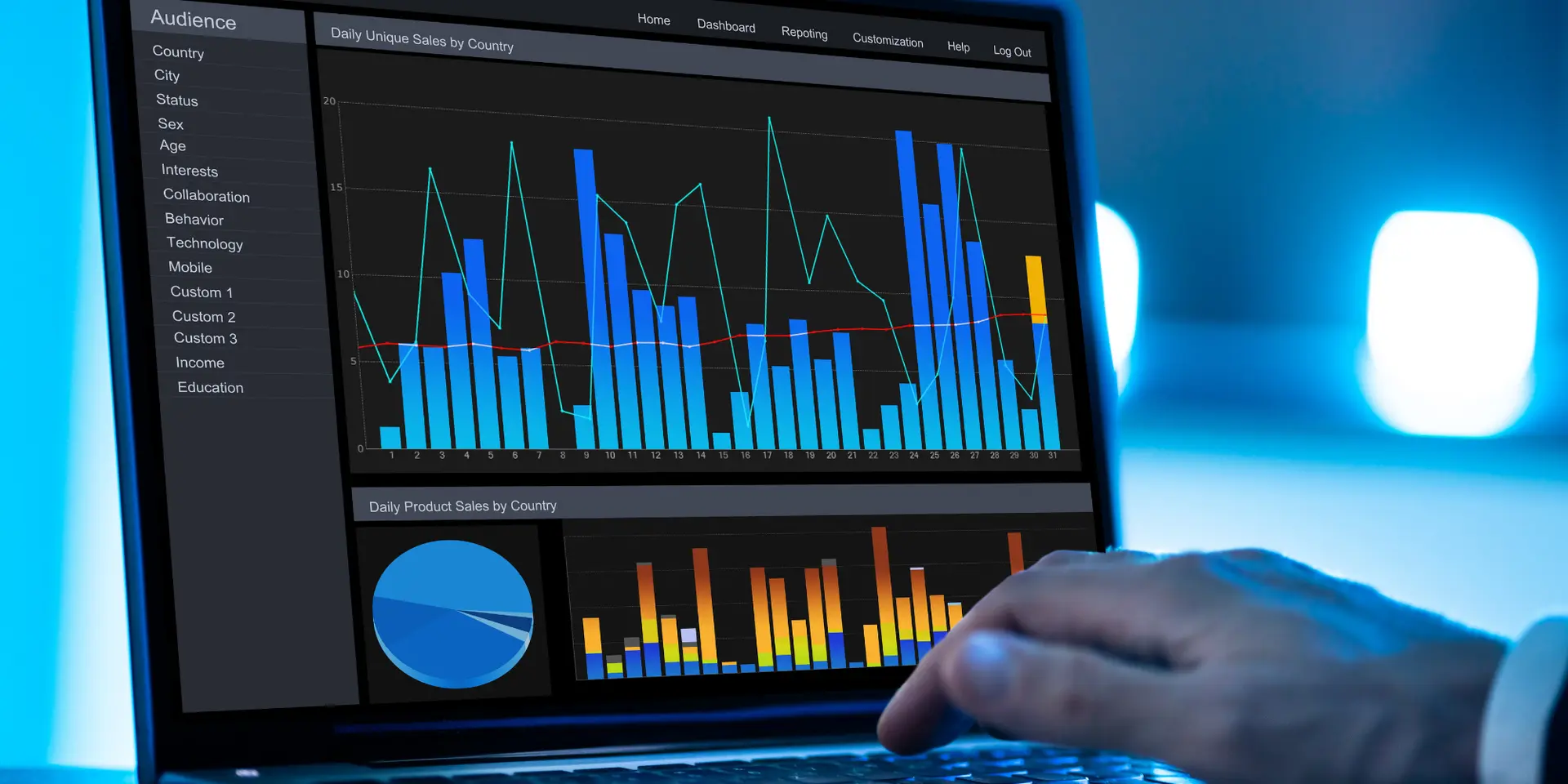

Marketing teams have no shortage of data. The harder part is knowing what to do with it quickly. Google is expanding AI features across Google Ads and Google Analytics to help advertisers spot performance changes, understand campaign results and take action with less manual analysis.
Announced on 10 August 2026, the update brings more AI-powered insights directly into the tools marketers already use.
Google adds AI to marketing workflows
Google says the new features are designed to simplify workflows and support business growth by bringing AI and more “agentic” experiences into Ads and Analytics. Agentic AI refers to tools that can help users move from a question towards a suggested action, rather than simply displaying information.
The goal is not to replace marketers. Instead, Google wants AI to help teams understand what is happening across their campaigns and identify areas that may need attention.
AI overviews arrive in Analytics
One of the key additions is AI Overviews on the Google Analytics homepage. These summaries highlight important changes since a user last logged in. For example, a business could see an unusual change in traffic, a seasonal increase in sales or another development that deserves attention.
This can save marketers from manually checking several reports before finding the most important information. Google is also connecting these summaries with Ask Advisor, its in-product AI agent for marketing platforms. Users can select an insight card and carry its context into Ask Advisor for deeper analysis.
Google also says users can opt into phone or email notifications and choose how frequently they receive them.
Google Ads gets personalised insights
Google Ads is also receiving AI-powered insight cards tailored to individual businesses. The cards are designed to highlight information that could affect campaign performance. Marketers can use a prompt box above the cards to ask questions and generate customised insights.
This could help users investigate factors such as changes in competition, impression share or market trends. The broader aim is to reduce the time between spotting a change and deciding what to do about it.
Reports can start with a prompt
Google is introducing new Dashboards in Google Ads that allow users to create visual reports using text prompts. Support for Google Analytics is expected to follow. Instead of manually selecting charts and arranging data, marketers can describe what they want to see.
The system can then turn campaign information into a visual report. Each report also includes a real-time summary explaining possible reasons behind the data. For smaller marketing teams, this could reduce the time spent preparing reports. It may also help non-specialists understand campaign performance without relying entirely on dedicated analysts.

Benchmarking adds market context
Another update brings benchmarking to Google Analytics through Ask Advisor. The feature compares campaign performance with anonymised averages from similar businesses. This gives marketers another reference point when evaluating results.
A campaign that appears weak internally, for example, may actually be performing in line with a broader market slowdown. However, benchmarks are not a substitute for business context. Marketers will still need to consider their own goals, budgets, audiences and industry conditions before changing a campaign.
What should marketers take away?
Google’s latest updates show how AI is becoming more deeply integrated into everyday marketing workflows. AI Overviews, personalised insights, prompt-based dashboards and benchmarking are all designed to make large amounts of campaign data easier to understand.
The biggest benefit may be speed. Instead of spending hours finding patterns across different reports, marketers can use AI to surface potential issues and opportunities faster. Still, AI recommendations should remain a starting point rather than the final decision.
Human judgement will continue to matter when interpreting customer behaviour, evaluating business priorities and deciding which campaign changes are actually worth making.