



Meta eyes AI cloud business to take on AWS, Azure and Google Cloud
Meta is reportedly exploring a cloud infrastructure business that could rent AI computing power and model access to external customers.

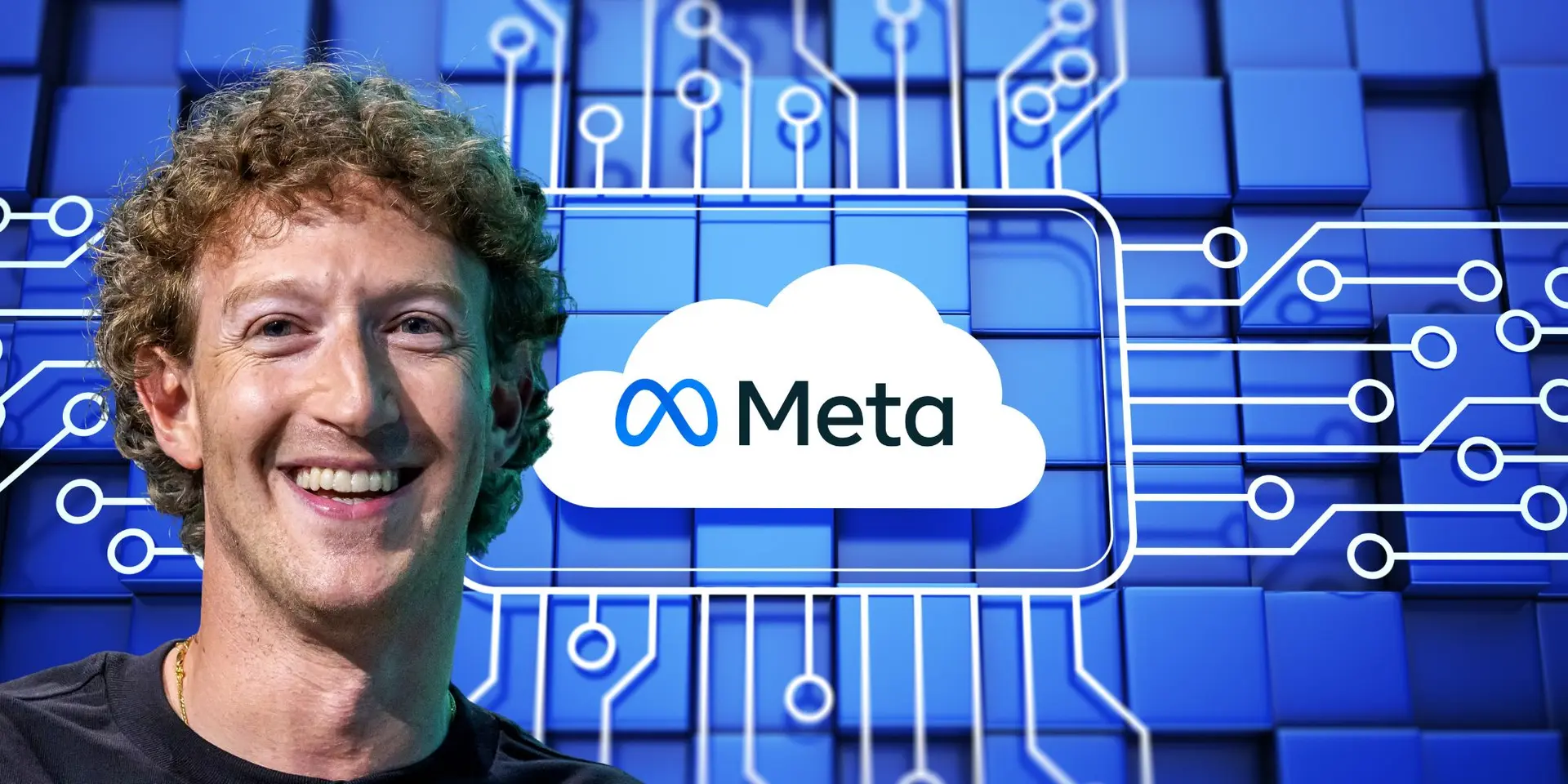

The company behind Facebook, Instagram and WhatsApp is reportedly exploring plans to launch an AI cloud business that would allow enterprises and developers to access its computing infrastructure and AI models.
If the plan moves forward, Meta would enter one of the technology industry's most competitive markets, taking on established players such as Amazon Web Services (AWS), Microsoft Azure and Google Cloud. The reported move comes as Meta looks for new ways to generate returns from the billions of dollars it has invested in artificial intelligence infrastructure.
Why Meta is looking beyond social media
Cloud computing has become one of the most profitable areas in big technology. AWS, Azure and Google Cloud offer businesses access to computing power, storage, databases and AI tools over the internet. For AI companies in particular, access to high-performance chips and scalable infrastructure is now essential.
Meta does not currently operate a public cloud platform like its rivals. Its business has traditionally been built around advertising, social networking and consumer products. A cloud offering would therefore mark a major shift, giving Meta a possible new revenue stream and a way to recover part of its heavy AI investment.
How the proposed service could work
Reports suggest that one possible model would involve selling access to AI models hosted on Meta’s own infrastructure, similar to Amazon Bedrock, which allows customers to use different AI models through a managed cloud service.
This could make Meta’s models and compute resources available through application programming interfaces, or APIs, which are tools developers use to connect software systems.
Such a service could appeal to AI startups, researchers and enterprises that need large-scale computing but face high costs or limited availability from existing providers. It could also strengthen Meta’s position in the broader AI ecosystem by giving outside developers a stronger reason to build on its models.
A tough challenge for Meta
Despite the opportunity, Meta would face a difficult road. AWS, Microsoft and Google have spent years building trusted cloud platforms with global data centres, enterprise sales teams, security systems and compliance tools.
Customers also tend to be cautious about moving critical workloads from one cloud provider to another. For Meta, success would depend on pricing, reliability, model performance, and its ability to convince businesses that its AI infrastructure is ready for external use. The company’s advantage is scale, and its challenge is trust and execution.

What it means for the AI cloud market
If Meta enters the AI cloud market, competition for AI computing could intensify. More supply may help developers access powerful infrastructure at better prices, while also pushing existing cloud leaders to improve their AI offerings.
For now, Meta’s AI cloud business remains a reported plan rather than a confirmed commercial launch. Still, the direction is clear: AI infrastructure is no longer just a cost centre for big tech. It is becoming a strategic business in its own right.