


From statement sleeves to memory quilts, meet four women entrepreneurs who are running unique D2C businesses
As the D2C market becomes increasingly competitive, it takes unique, quirky, and often personal products to strike a chord with consumers. Meet four such women-led brands.

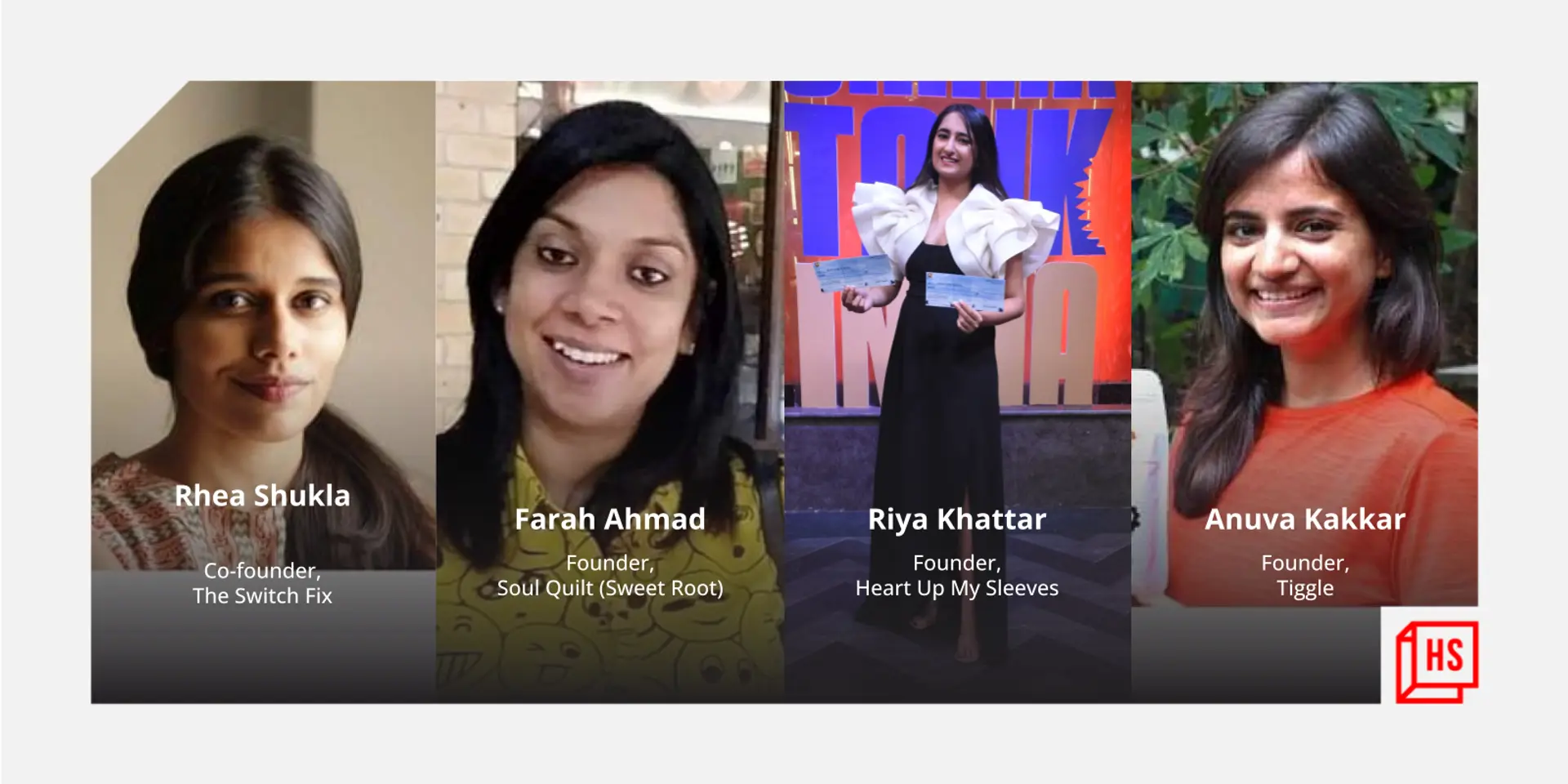

India’s direct-to-consumer (D2C) market is becoming more vibrant with players comprising large MNCs, startups and small business owners. This is a result of India’s increasing internet penetration and a pandemic that accelerated ecommerce adoption at scale.
Now home to more than 600 homegrown brands, D2C brands in India are operating in a market where the addressable market size will be $100 billion by 2025, according to a report by Avendus Capital.
This also promises further growth of influencer marketing and community building, a common marketing strategy to build a close-knit consumer base. But the market is also a test of an entrepreneur's creative wits to win over consumers bombarded with choices.
Here are four unique D2C brands that were launched or saw major growth during the pandemic.
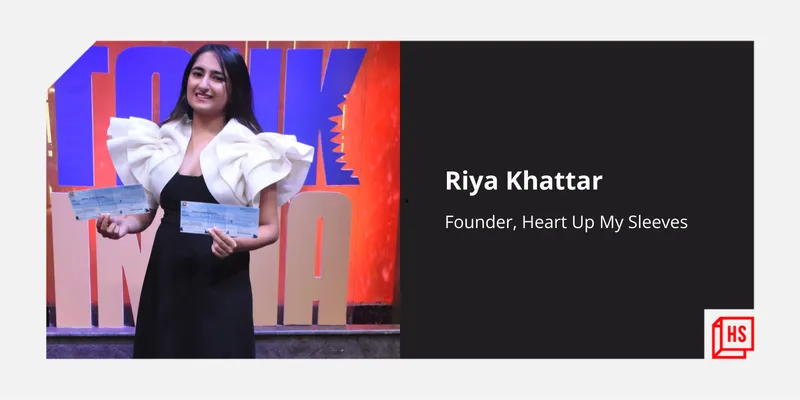
Riya Khatter, Heart Up My Sleeves
The world of fashion became conflicted when the coronavirus-induced lockdowns sent everybody huddling inside their homes. Spending on clothes went down as most people made do with their existing wardrobe.
A graduate in psychology, Riya saw an opportunity to create a niche apparel product of statement sleeves and started by using the existing infrastructure of her family’s apparel business.
The purpose, she says, is to up the glam quotient of a women’s outfits with detachable sleeves, brooches, or capes for a complete makeover.
Aimed at women aged 18 to 25 across the world, its products have been spotted by influencers like Komal Pandey, Niki Mehra, Bandagi Kalra, Ankita Tiwari, and Hansika Motwani. The entrepreneur also pitched the business at Shark Tank India and received Rs Rs 25 lakh in funds from investors Vineeta Singh and Anupam Mittal. The D2C product has since gained immense popularity.
Farah Ahmad, Soul Quilt
During the brutal second wave of COVID-19 in India, Farah Ahmad lost both her mother and younger brother to the pandemic. While dealing with the loss, she found comfort and peace in the clothes they used to love.
A serial entrepreneur, she then started Soul Quilts which upcycles cherished garments into memory quilts, which are handcrafted in-house. According to Farah, it helps acknowledge the life of someone who has died while also providing a physical medium for those who have been left behind to reconnect.
With a team of fashion and textile designers, Soul Quilts takes approval for design and concept notes from the customers and delivers the product within two to three weeks with prices starting from Rs 3,600.
Started in April 2021, it has designed more than 1,500 high-end memory quilts from over one lakh clothes and saw 25 percent growth in orders every month.
Rhea Shukla, The Switch Fix
In 2020, Delhi was ranked the most polluted city for the third consecutive year and the living experience in the city did not bode well for wellness enthusiasts and the general population alike. Colleagues Rhea Shukla and Abhishek Kumar noted how one’s daily choices contribute to environmental degradation, and the duo founded a clean and conscious personal care brand called .
They spent over two years into extensive research on ingredients and formulations prior to launching during the pandemic.
Targeting Gen Z and millennial population, the digital-first D2C brand sells a range of products including those co-created with Blue Tokai, Goodmylk, Tea Trunk, at a price range of Rs 450 to Rs 800. Moving forward, it hopes to expand its distribution channel through B2B partnerships and tap larger audiences.
Anuva Kakkar, Tiggle
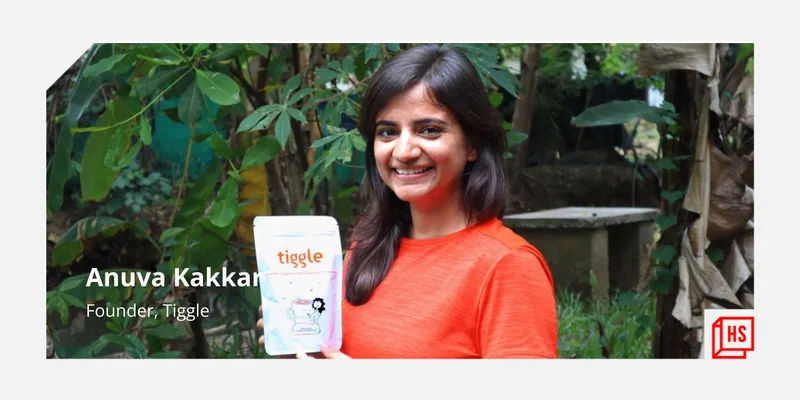
Anuva Kakkar, Founder of Tiggle
Twenty-three-year-old Anuva Kakkar’s love for hot chocolate led her to start the country’s first affordable hot chocolate brand . Noting that a good cup of hot chocolate was restricted to cafes, she started by purchasing a five-litre steel jar, three litres of milk, and tested the market interest by setting up a shop outside a metro station in Gurugram.
Started with an initial investment of Rs 35,000 and after tasting cocoa from about 50 farms, it has delivered more than 200,000 cups of hot chocolate to over 20,000 pin codes in India within a year of operation.
Now, her expansion plans include complementary products like marshmallows, cookies, biscuits, churros as well as a range of quirky merchandise.
Edited by Anju Narayanan