



Shefali Shah on shifting narratives and staying true to her craft
Shefali Shah has become known for her restrained yet searing performances, giving voice to women often sidelined in mainstream narratives. Speaking at an event in Chennai, the actor reflected on her journey, the shifting tides of Indian cinema, and the personal compass that continues to guide her.

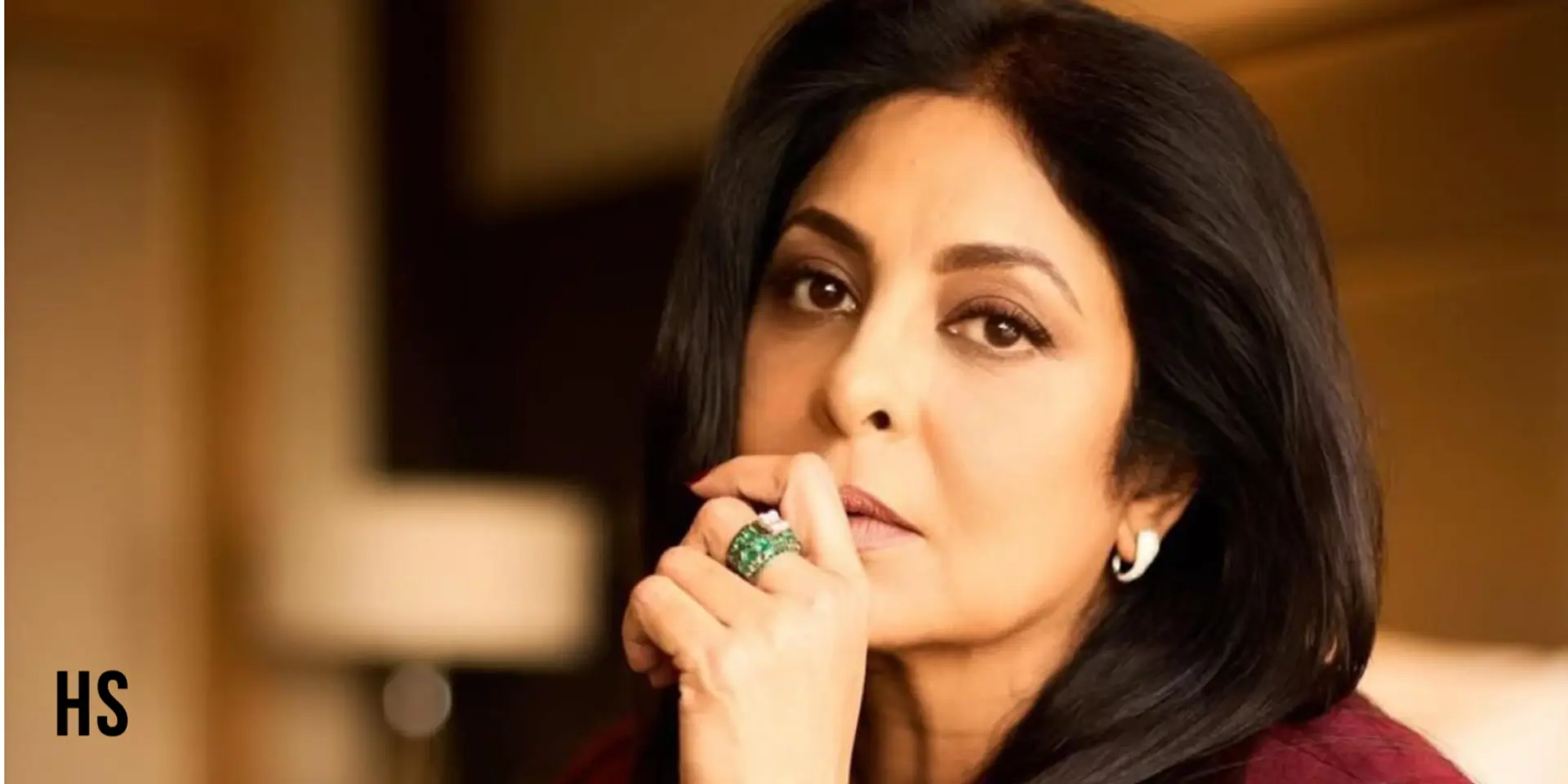

Over a career spanning more than two decades, Shefali Shah has built a formidable reputation as one of Indian cinema’s most restrained but powerful performers. Known for her unflinching portrayals of complex women, Shah’s work is defined by a raw authenticity that sets her apart from the commercial trappings of Bollywood. Whether as the stoic police officer in Delhi Crime, the weary yet resolute mother in Darlings, or the conflicted doctor in Human, Shah brings an intense honesty to the characters she embodies.
Speaking at the Shiv Nadar Foundation’s event, Ignition in Chennai on April 26, she reflected on the trajectory of her career, the challenges she has navigated, and the evolving opportunities for women in Indian storytelling.
In a candid conversation that drew on her personal experiences, she offered insight into the driving forces behind her choices both on and off screen.
“I don’t approach a role thinking about its impact or awards,” Shah told the audience. “It’s about being true to the character and the story.” This fidelity to the internal life of her characters—rather than the glamour of their circumstances—has been the foundation of her acclaim.
Shah’s career has not been one of overnight superstardom but of steady, purposeful growth. After gaining recognition in films like Satya (1998) and Mira Nair’s Monsoon Wedding (2001), she became known for her ability to inhabit characters grappling with the often unspoken burdens of everyday life. In an industry that for long prioritised the male hero fixation with women getting only relational roles, Shah’s choices—sometimes quieter, sometimes darker—have carved out a space for narratives that centre emotional complexity over formulaic arcs.
In recent years, OTT platforms have broadened the canvas for actors like Shah. Her portrayal of DCP Vartika Chaturvedi in Delhi Crime earned her widespread acclaim, including an International Emmy Award for Best Drama Series. Meanwhile, Darlings became one of Netflix’s most popular non-English Indian originals. Yet Shah’s approach remains strikingly consistent, which is her unwavering focus on the humanity of her characters.
Shah spoke of the shift she has witnessed in Indian cinema over the past few years. "There's a change happening," she said. "Stories are becoming more inclusive, and there is a genuine hunger for narratives that reflect the diversity of real life. It’s an exciting time to be telling stories that aren’t bound by the old rules.”
Even as the industry changes, Shah remains discerning about the roles she takes. In 2021, she stepped behind the camera to direct two short films, Someday and Happy Birthday Mummyji, both of which explore themes of isolation, desire, and the interior lives of women.
Her sense of quiet observation — of seeing the world with a clear, often unvarnished eye — is evident across Shah’s work. “Delhi Crime, based on the infamous Nirbhaya case, demanded that sort of groundedness to reality; we wanted people to see this story inside out,” she said.
Her characters are frequently women living in the margins of power, negotiating societal expectations while carrying deep, private burdens (for example, Jalsa - 2022).
Yet the journey has not been without its frustrations. Shah was candid about the periods when she felt typecast, overlooked, or simply out of step with an industry driven more by commerce than craft.
“There were times when the roles being offered to me didn’t excite me, didn’t challenge me,” she admitted. "But I chose to wait for the ones that did. Even if it meant fewer opportunities, I wanted the ones that mattered."
That patience paid off.
Today, Shah stands as one of the few actors whose name alone signals a certain quality of storytelling—narratives rooted in resonance and truth.
As the conversation at Ignition drew to a close, Shah expressed cautious optimism about the future of Indian storytelling. “We are finally at a point where content is king. Audiences are open to different kinds of stories, and that's liberating for artists like me," she said.
In an industry often accused of rewarding conformity, Shah’s steadfast commitment to authenticity has not just set her apart—it has redefined what success can look like for Indian actors who choose to walk a quieter, more difficult, but ultimately more enduring path.
Edited by Affirunisa Kankudti