



How The Khushtaar Initiative is bridging health gaps for Indian Muslim women
Founded by Mariam Hafeez, The Khushtaar Initiative is a non-profit organisation that focuses on healthcare initiatives for Indian Muslim women.

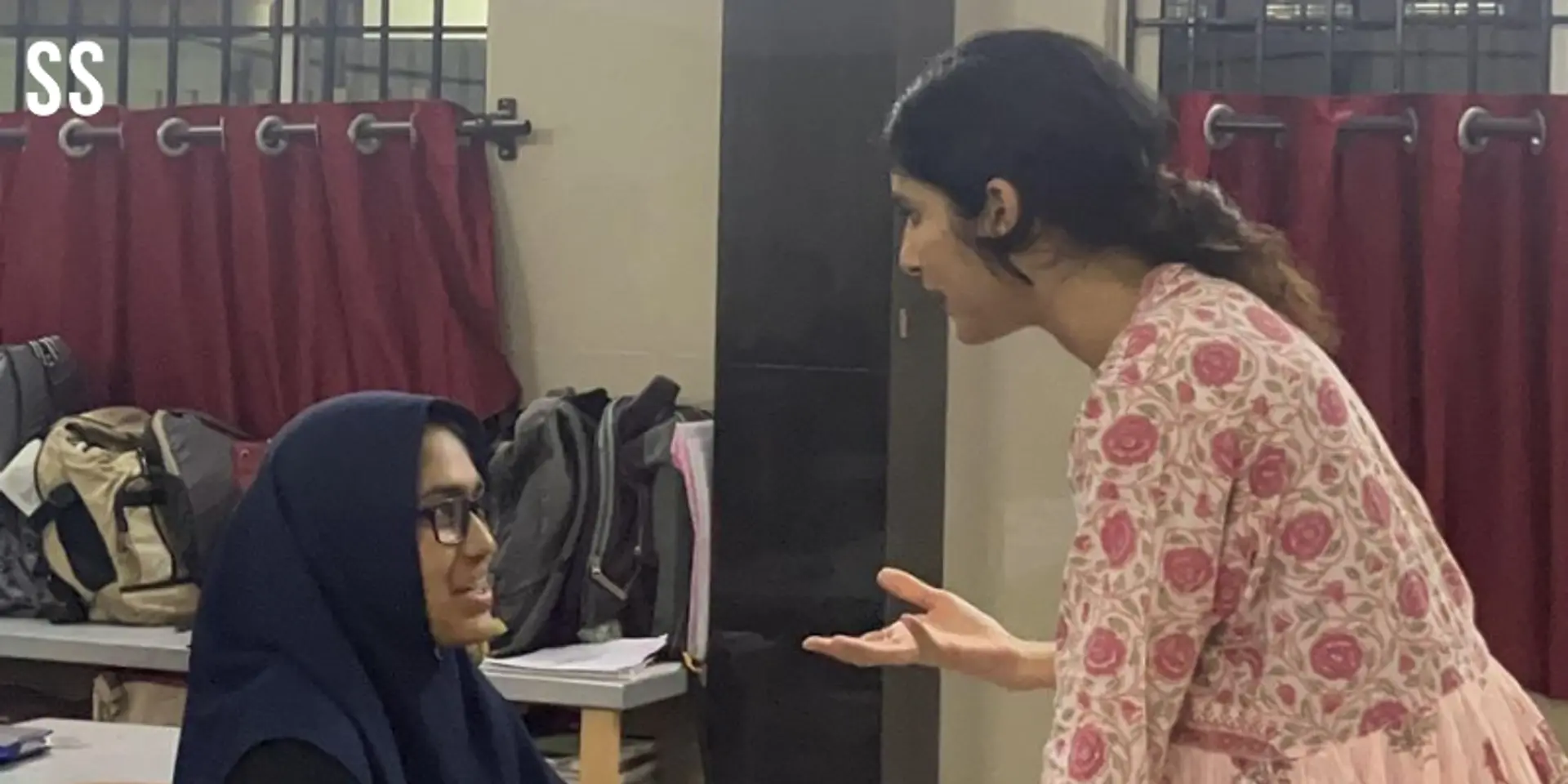

Two years ago, during one of her regular visits to a yateem khana (childcare institution or orphanage run by Muslims) in Kochi, Mariam Hafeez expected to spend a routine afternoon playing badminton with the girls.
But a conversation with 12-year-old Rukhsana left a profound and lasting impact on her, eventually leading to the formation of The Khushtaar Initiative, a non-profit that focuses on healthcare initiatives for Muslim women.
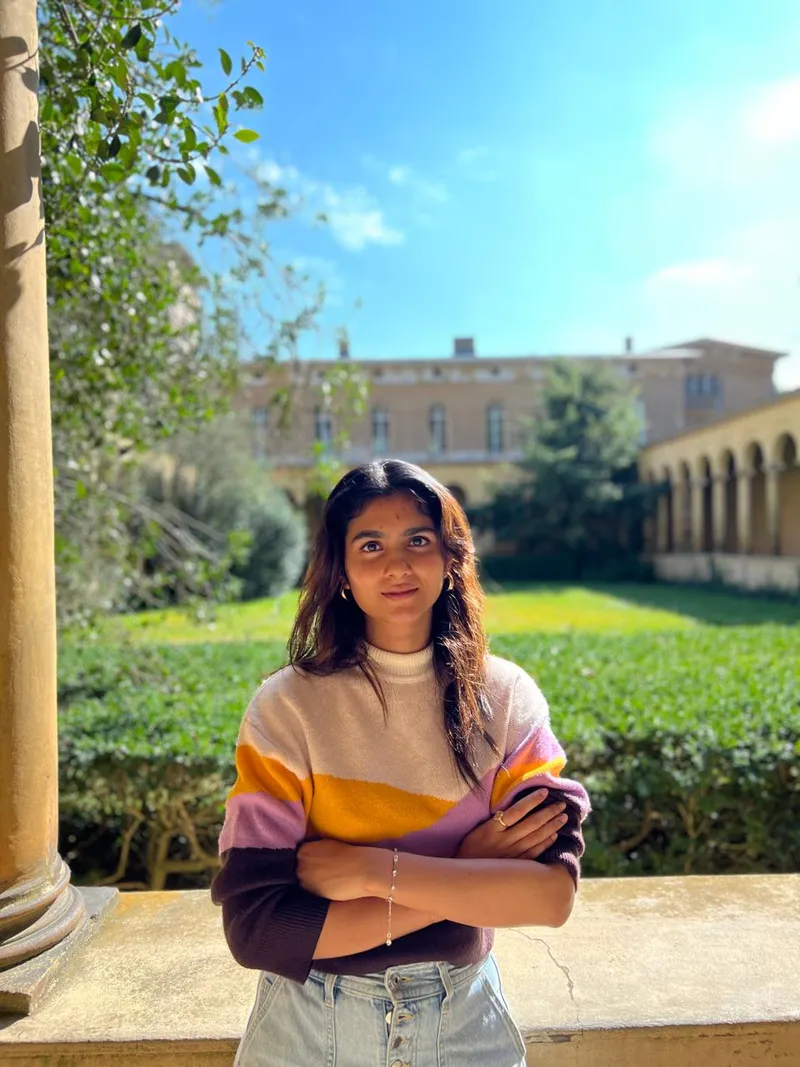
Mariam Hafeez
Initially, their conversation constituted small talk with the young girl sharing her dreams of opening her own perfume company to support her single mother. But, as their conversation deepened, the girl revealed that she experienced painful periods and itching with other symptoms that suggested dysmenorrhea, accompanied by fatigue.
When Hafeez dug a little deeper, Rukhsana admitted she used cloth instead of sanitary pads.
“I asked her why. And she countered with, ‘Do you not know you are not supposed to use pads. Period blood attracts snakes and black magic!” recalls Hafeez.
When asked where she heard this, the girl said it was from the Hadith, and was surprised Hafeez didn't know about it.
After talking to the institution authorities, Hafeez learned that the men who collected trash didn't want to handle menstrual waste. That's why the girls were told to use cloth instead of pads. This caused bad rashes and infections. Hafeez realised this was a serious problem that had to be fixed right away, and also needed a long-term solution.
Recognising unique healthcare challenges
After completing an undergraduate degree in BBA in marketing from NTU, Singapore, Hafeez spent three years as a branding analyst in marketing communications firm Dentsu in Bengaluru before pivoting into healthcare. Her family runs the Sunrise Group of Hospitals in Kerala, and Hafeez is a director of the institution.
Although she had no experience in the development sector, Hafeez was interested in the intersection of health, faith and culture and wanted to do something to change the lives of little girls like Rukshana.
She wrote a proposal for a yateem khana project and sent it to Dr Ruha Shadab, Founder of Led By Foundation, a professional leadership incubator for Indian Muslim women.
Dr Shadab asked her to co-author an article with her—a Muslim female-centric analysis of the National Family Health Survey.
“When I was looking at the statistics, I saw a major disparity between how much Indian Muslim women were accessing and utilising healthcare as compared to women from other communities,” explains Hafeez .
What makes The Khushtaar Initiative unique is that it recognises that healthcare challenges for Muslim women operate at multiple intersecting levels. Beyond the obvious barriers of poverty and access, there are layers of cultural misinterpretation, systemic discrimination, and structural obstacles that mainstream organisations haven’t addressed. When it comes to menstrual health, the barriers include patriarchal norms as well.
“Our work ranges from grassroot initiatives, working directly with the community to academic and journalistic research, because we feel there's a huge information gap. If people don't know about it, they don't know it's a problem, they are not going to do anything about it,” Hafeez elaborates.
Less than a year old, The Khushtaar Initiative (TKI) is present in Kochi, Bengaluru, and Hyderabad, and currently has three active projects.
A comprehensive healthcare philosophy
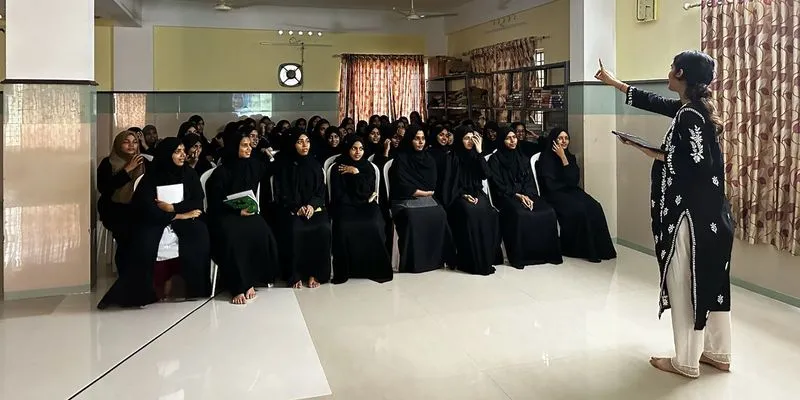
An awareness session by The Khushtaar Initiative
The initiative’s pilot programme, Girls Inspiring Social Transformation (GIST), works with Muslim childcare institutions and independent communities.
“I started having more conversations with the girls. After every workshop, 10 girls would approach me for more sanitary products to give to their sisters or mothers. They would also speak of symptoms and ask where to go. This made me understand that if we train these girls and women, and provide them with financial support, they can create massive healthcare movements and uplift communities socio-economically,” says Hafeez.
Unlike traditional healthcare programmes that focus on singular issues, GIST operates on a comprehensive health spectrum philosophy.
"We don't think it's okay to solve for menstrual health without solving for their built environment. We don't think it's okay to solve for their mental health without solving for their sexual and reproductive health," Hafeez emphasises.
This approach recognises that health challenges in these communities are interconnected and require multifaceted solutions. "We need to be able to deliver a comprehensive solution for this to become sustainable."
Its first project with Ummul Qura orphanage in Kochi began with identifying critical gaps that extended far beyond basic health awareness.
One of the most significant discoveries was the girls' extremely limited social exposure. "A lot of these girls have hit 18 years of age, just speaking to 50 women their entire lives. And most of them come from a very similar demographic," Hafeez observes.
To address this, GIST implemented several innovative solutions:
Life skills through sports: Partnering with Magic Bus Foundation, the programme introduced football as a vehicle for life skills development. The initiative brings in CV Sheena, a footballer from Kerala who represented the country internationally despite coming from difficult circumstances.
Exposure to role models: TKI is bringing in successful women from the Muslim community for panel discussions. "You keep seeing panel discussions at more privileged colleges and schools. You know, why not do it at a Yateem Khana?”
The response was structured—reworking the girls’ routines and introducing the ‘TKI triaging system’ with red, amber, and green indicators to ensure continuity of care.
“The teachers now know that Aisha has to go to consultation next on so-and-so date, or she has to buy her medicines on so-and-so date. Earlier, without any accountability, a lot of these girls would discontinue their treatment, and nobody would follow up,” says Hafeez.
At Ummul Khura, TKI works with 150 girls. It has started ‘need assessments’ in three institutions in Kasargod, one in Bengaluru, and at two localities in Hyderabad. It has 12 beneficiary and implementation partners and is associated with six childcare institutions. For this financial year, its impact is projected to reach 64,230 beneficiaries.
Navigating social dynamics and other challenges
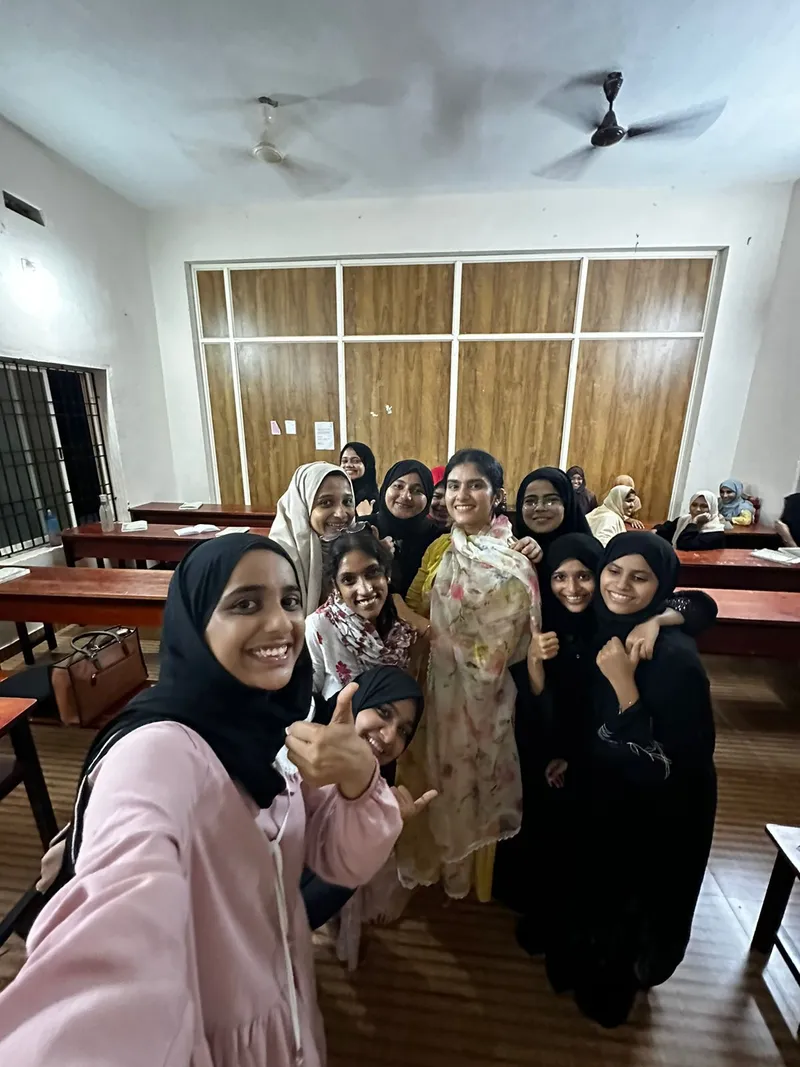
Mariam (centre) with the girls
Implementing GIST has required navigating complex social dynamics. Hafeez’s first presentation at Ummul Khura to a room of 10-12 older Muslim men nearly ended in rejection.
"They told me, ‘You are very modern. We don't want the girls to see you and think this is life,’” she recollects.
A year later, the barriers have been broken, and Hafeez is a trusted ally .The breakthrough came through the girls themselves.
“The first two to three interactions I had with the girls, they had amazing feedback for these authorities. They went and spoke to them about what we are doing, why we are doing it, and why it's so interesting for them."
TKI’s planned fellowship programme will scale the model of training community members as healthcare leaders.
"How do we help the girls so that they grow into young mothers that will create healthcare outcomes for their families and then for the community? We want the girls to develop their own micro-projects, maybe start a TKI of their own,” says Hafeez.
GIST serves as both an intervention and a research platform.
“The information and the data we are collecting on ground are insights that have never been spoken about before,” Hafeez notes.
This data collection feeds into TKI Originals' academic research publications, creating evidence-based knowledge for broader policy and programmatic applications.
Shahina, a 19-year-old from Ummul Qura says, “Through conversations and sessions with TKI, we understood the importance of mental health. They made us understand how timely intervention in mental health is important, and it’s not shameful to seek help. We have also become more conscious of taking care of our health.”
Hisana who stays in a yateem khana in Malappuram, Kerala, says, “I want my younger sister to be inspired by me, when I lead positive change in the community and contribute to academic research on Indian Muslim women and their health indicators.”
TKI is focusing on high networth individuals based in Kerala for funds.
“By 2030, we want to reach four lakh beneficiaries in eight Indian states. We have identified these states based on the proportion of Muslim population in those states,” says Hafeez.
Edited by Swetha Kannan