


Back to work, but at what cost? Rebuilding careers after pregnancy
Across India, many women face the same cold welcome after maternity leave—met not with empathy, but with oversight. And while we’ve started recognising parental rights on paper, the gap between policy and practice remains painfully wide.

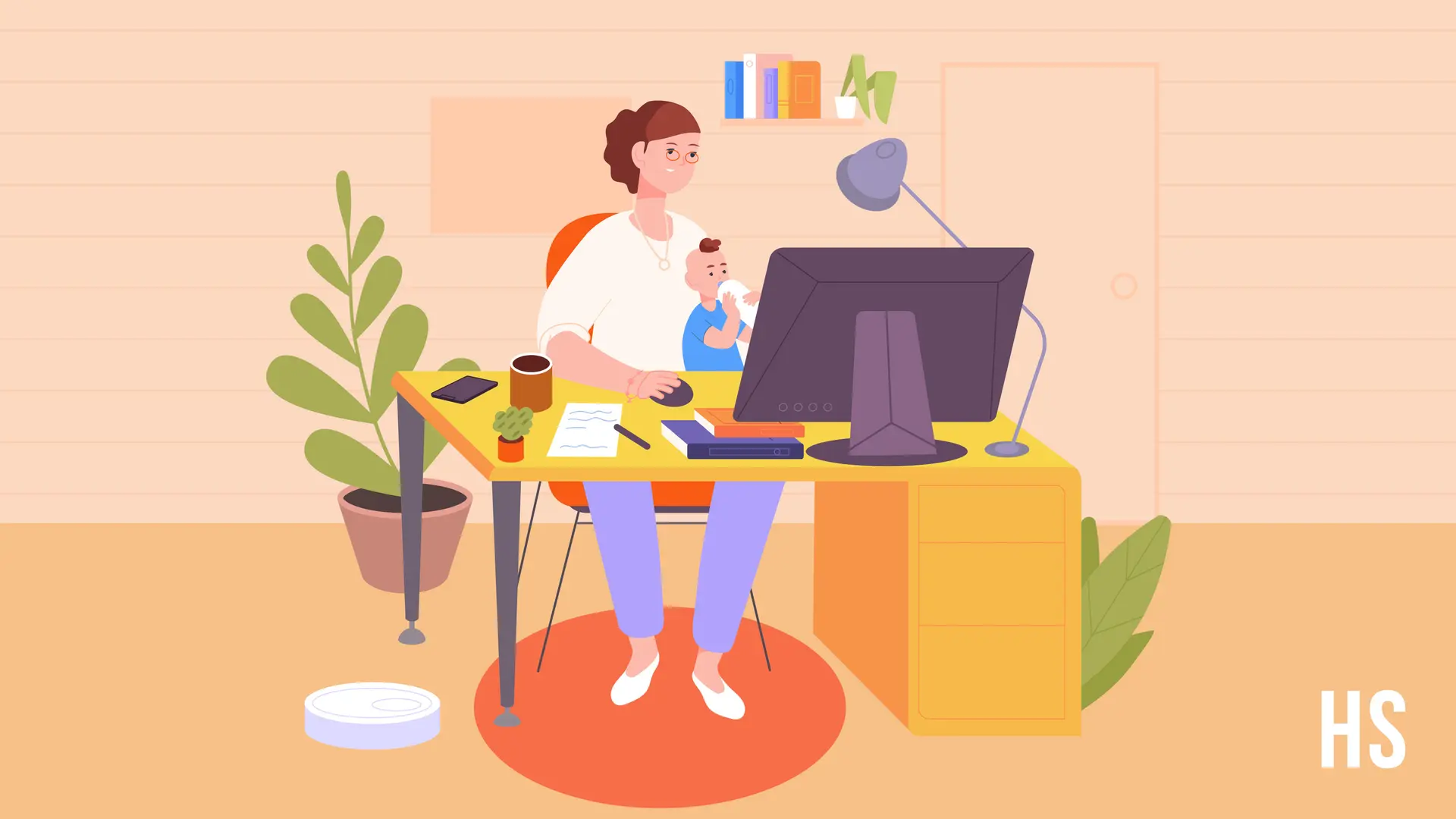

When 29-year-old Rhea walked into her office after six months of maternity leave, she wasn’t expecting a red carpet. But she also wasn’t expecting silence. No catch-up meeting. No flexible schedule conversation. No “How are you doing?” What greeted her instead was a wall of indifference. Within six months, she resigned.
A girl like her isn’t alone. Across India, countless women face the same cold welcome after maternity leave—met not with empathy, but with oversight. And while we’ve started recognising parental rights on paper, the gap between policy and practice remains painfully wide.
The motherhood penalty is real
The term “motherhood penalty” is defined as the economic disadvantage women face after they become mothers. It manifests in various forms like limited opportunities, slower promotions, and even outright and unexplained unemployment.
There’s an unspoken assumption in many workplaces that after a woman has a child, her dedication to the job automatically drops. Some employers offer flexibility on paper, but in practice, it comes with strings: less visibility, fewer critical projects, and the lingering idea that she’s now a ‘risk’. It’s a vicious loop—talented women return to sidelined roles, lose motivation, and quietly exit.
It’s not just about benefits, it’s about belonging
Companies love to flaunt generous maternity leave policies. But what happens when that leave ends? Is there a reintegration roadmap? A returnee orientation? A check-in on how she’s coping?
The return-to-work phase is often harder than pregnancy itself. The baby is real. The sleep is gone. The pressure is intense. If organisations don’t meet this moment with empathy and structure, they risk losing high-potential talent right at the edge of retention.
The business cost of losing new mothers
Every time a trained employee exits post-maternity, it costs the organisation. But beyond the financials, there's a bigger impact: the loss of institutional knowledge, lower team morale, and a drop in workplace diversity.
Let’s also not forget that employees are watching. When an organisation decides to gradually sideline or replace post-maternity returnees, others are bound to notice. The unspoken message becomes: “This company isn’t built for all stages of your life.”
What does support actually look like?
Imagine Rhea’s return differently. There’s a week where all related teams meet, fill her in on what she’s missed out. There’s a specific time where she is allotted some time for video calls, but she comes to the office at 7 am to meet her targets. There’s a peer group and a peer mentor to fill her in with relevant training and skillsets.
That’s not utopian. It’s happening already. SAP Labs India runs a “Stay in Touch” initiative—optional engagements during maternity leave, followed by re-onboarding support. Similarly, Infosys offers hybrid work and part-time models to help new parents transition back smoothly.
And yes—parents, not just mothers. Because real change means supporting both caregivers. When fathers take equal responsibility, it normalises caregiving as a shared duty—not just a woman’s burden.
According to a LinkedIn study, 85% of working women in India have missed out on a raise, promotion, or job opportunity due to motherhood.
Change needs to be structural, not symbolic
A one-time returnship programme or a friendly manager cannot undo a deeply ingrained culture of bias. What’s needed is a system-wide shift, starting from how performance is measured, to how breaks are perceived, to how flexibility is offered across the board.
Flexibility shouldn’t be a “mother’s benefit,” it should be a human right. When flexibility becomes part of workplace DNA, everyone wins—parents, caregivers, students, even high-performers managing burnout. HR leaders must also revise evaluation parameters.
Productivity doesn’t always mean 9-to-5 presence. Outcomes matter more than online hours. A working mother logging in at 6 am and again at 9 pm isn’t underperforming, she’s doing two full-time jobs.
From talent management to talent respect
Retention isn’t just about managing talent, it’s about respecting it. And that respect must extend to all life stages, not just the ones that fit neatly into corporate calendars. There’s a certain trust that’s built when an employer supports you during vulnerable times. It fosters a loyalty that no bonuses or perks could ever match.
When organisations truly stand by their employees during life-changing moments, like parenthood, they help build a culture that’s deeply rooted in commitment, trust, and care. In return, they win resilient, grateful, and self-motivated professionals who bring more to the table; these are the qualities that are not diminished by motherhood, but rather enhanced by it.
The Road Ahead: Redesign, don’t reassign
The future of work must be more inclusive, which indicates the need for redesigning systems, not just reassigning women to slower work procedures. The post-pregnancy return shouldn’t feel like a test or a punishment. It should feel like a warm welcome. When mothers return, they bring new skills, efficiency, empathy, and multitasking. These aren’t liabilities; they’re leadership qualities.
It’s time we stopped asking “Can she still handle it?” And started asking “What can we redesign to help a teammate thrive?”
Because motherhood doesn’t dilute talent—it distills it.
(Rutvi Sheth is the Director at Advait Greenergy and Head – Strategy & HR at Advait Energy Transitions)