



20 years on, has the domestic violence act been able to deliver justice?
While the Protection of Women from Domestic Violence Act has changed the discourse around domestic violence, improper awareness, under-reporting, pending cases, and lack of data remain key challenges in protecting the rights of women and providing the redressal they need.

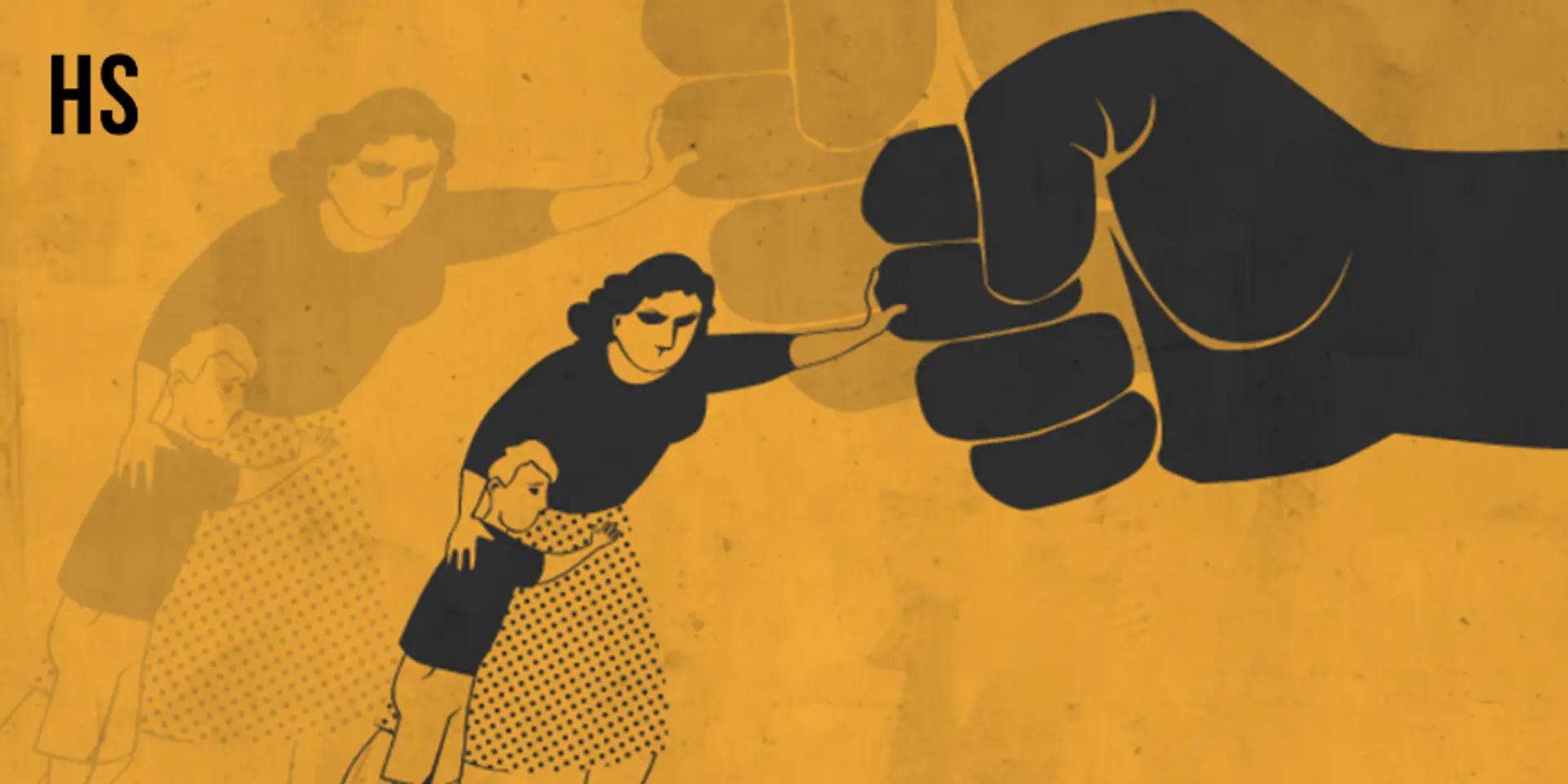

The Indian Parliament passed the Protection of Women from Domestic Violence Act Act in August 2005, and it came into force in October 2006, becoming a landmark for recognising domestic violence in various forms—physical, sexual, emotional, and economic.
The law provides civil remedies, such as protection orders, residence rights, monetary relief, and custody, without forcing women to undergo lengthy criminal proceedings. It also mandates the appointment of protection officers and service providers to support survivors.
It’s 20 years since the Act was passed, but has the law upheld and protected the rights of women, and provided them the redressal they need?
The Act has changed the discourse around domestic violence. Women have more legal recourse than before to assert their rights within abusive households.
However, are women truly aware of their rights to legal recourse? There seems to be a problem of perception on what constitutes domestic violence.
Though there is enough information in the public domain, there still remains the misconception that domestic violence means only physical abuse. Many women also hesitate to speak out against family members.
Lawyer Manasi Chowdhary, Founder of Pink Legal, an exclusive platform for women's laws in India, says, “Most women—even the educated ones—face some or the other form of domestic violence. However, they hesitate to stand up against it due to the social taboo of complaining against one’s family members/in-laws, lack of financial independence, and lack of a support system.”
Numbers at a glance
Of the 7,698 complaints received by the National Commission for Women (NCW) until May this year, domestic violence ranked number one with a total of 1,594 complaints filed since January.
In 2024, NCW received 25,743 complaints out of which domestic violence accounted for 24%. Uttar Pradesh topped the list followed by Delhi, Maharashtra, Bihar, Madhya Pradesh and Haryana.
The last National Family Health Survey (NFHS-5, 2019–21) reported that 29.3% of married women aged 18–49 had experienced spousal violence, marking a slight decline from 2015–16.
The findings of the survey also underscored stark regional variations: Karnataka (48%), Bihar (40%), and Telangana (37%) recorded some of the highest rates of domestic violence, while Lakshadweep (2.1%) reported the lowest.
The survey also revealed persistent social acceptance of wife-beating, especially among the less educated and rural populations, with a troubling rise in the proportion of men who justified such violence compared to the previous round.
While we know of only 1,594 complaints filed from January to May this year, many cases remain unreported.
Under-reporting remains a huge barrier in delivering justice. NFHS-5, 2019–21 reported that only 14% of survivors of physical or sexual violence sought help.
And then there is the challenge of cases accumulating in the legal system.
As of July 2022, more than 4.71 lakh cases of domestic violence were pending across the country. There are no numbers for cases pending after 2022 in the public domain. We also do not know how many of these cases have had protection orders granted, or have been moved to criminal enforcement.
Absence of data makes it difficult to assess the true effectiveness of the e Protection of Women from Domestic Violence Act Act and identify where systemic reforms are most urgently required.
In 2023, the Supreme Court directed the Centre to convene a meeting of principal secretaries from all states to address gaps in the implementation of the Protection of Women from Domestic Violence Act.
Need of the hour
For the Act to function effectively, robust data systems are essential, covering all civil filings, protection orders, and outcomes, and making them publicly available. While ensuring women’s safety, the system must also remove the barriers that discourage survivors from coming forward to register complaints.
Equally important is the need to fast-track domestic violence cases in courts. No woman should be forced to relive her trauma repeatedly over years of litigation, only to lose the will to seek justice.
Edited by Swetha Kannan