



Women labour force participation is rising, but most jobs remain informal
Indian women are steadily making their way back into the workforce. The Periodic Labour Force Survey bulletins in 2025 shows female labour force participation inching up month after month, a slow yet encouraging rise in a landscape still defined by economic inequality.

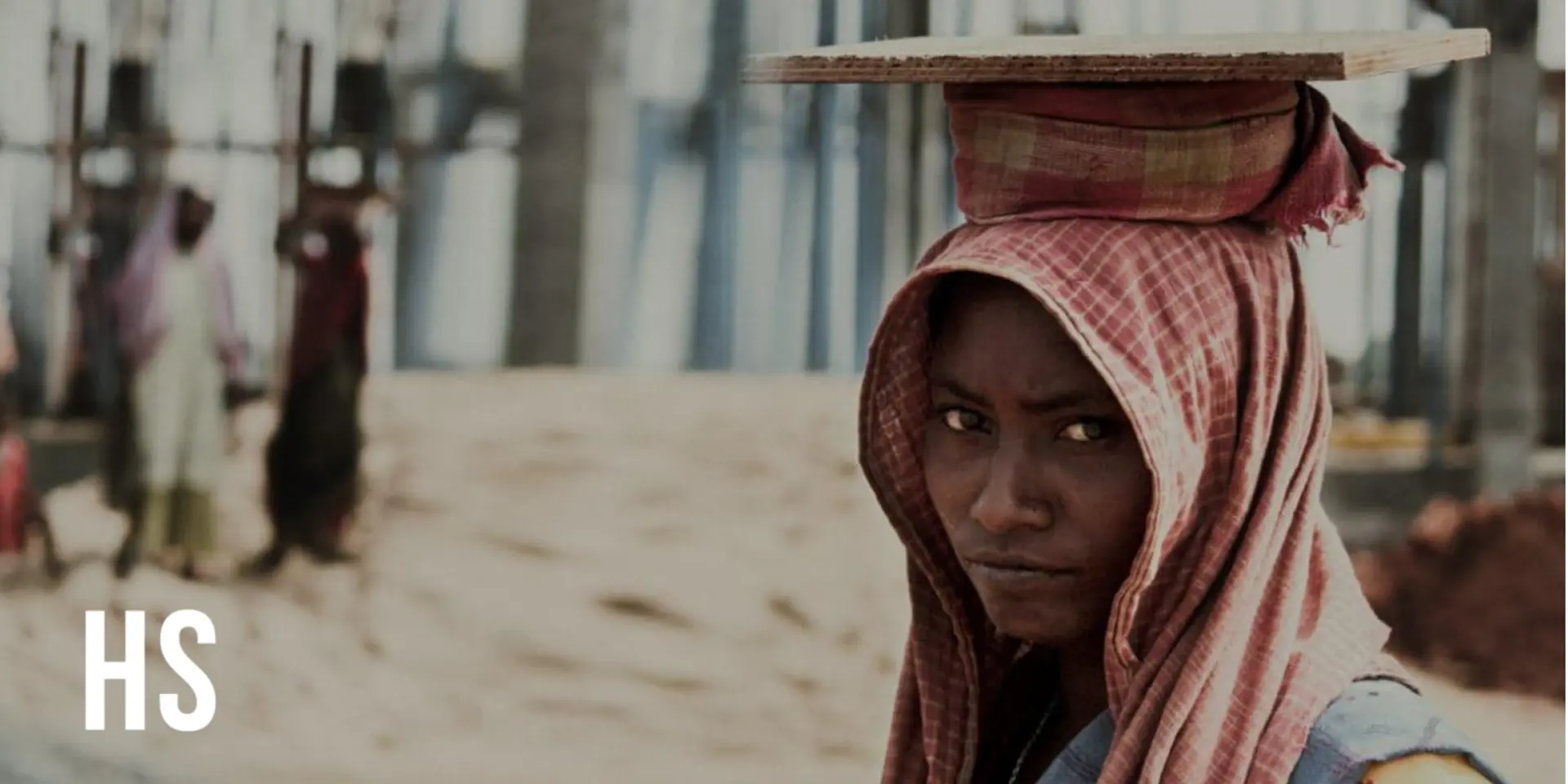

Even as we keep hearing about the rising economic inequality among women and gender wage gap, which stands at 27% according to the Indian Labour Organisation, here’s some good news: women are returning to the workforce, slowly but steadily.
After years of decline and stagnation, data from India’s latest Periodic Labour Force Survey (PLFS) 2025 shows that female labour-force participation is inching up this year.
In June, the Female Labour Force Participation Rate (FLFPR) stood at 32.0%, and has since risen slightly but consistently, reaching 33.3% in July and 33.7% in August, according to PLFS’ monthly estimates for June–August 2025.
A look at sector-wise PLFS data from previous rounds attributes this trend to a few critical factors: spikes in rural female workforce, rise in informal, home-based self-employment; expansion of gig, platform, and ecommerce-linked work; post-pandemic workforce re-entry, and effective state welfare and skill-based initiatives such as Rajasthan’s Indira Gandhi Rozgar Guarantee Yojana, Prime Minister’s Employment Generation Programme, and Tamil Nadu’s Women’s Employment and Safety Programme.
Uttar Pradesh offers a vivid case study. The state’s new Women Economic Empowerment (WEE) Index and recent fact-sheets show female labour force participation rising sharply—from 10–14% in 2017–18 to roughly 36% in 2023–24, driven largely by a surge in rural self-employment and higher registrations of women on national portals and schemes.
However, the same reports highlight that much of this growth is in precarious, informal work—own-account farming, unpaid family labour, and casual jobs, rather than regular, secure, salaried employment.
This distinction matters because a rise in participation does not automatically translate into improved livelihoods, experts warn. The gains can be “distress-driven” or of low quality, suggesting that many women enter the labour force out of necessity rather than choice.
“There is an urgent need to increase women’s participation in regular salaried paid work with job contracts and social security benefits,” says Ashwini Deshpande, an economics professor at Ashoka University, in a report. She adds that there is substantial unmet demand among women for paid work, and a strong willingness to work if opportunities are available either at, or near their homes.
Bihar’s Economic Survey and fact-sheets have also shown improved participation and expanding self-employment among women. State programmes, for example, the Mukhyamantri Mahila Rojgar initiative and other women-focused livelihood schemes are being used to translate participation into income generation.
PLFS data also points to a rise in Female Labour Participation Rate in states such as Rajasthan and Gujarat, driven largely by rural self-employment and own-account work rather than formal, salaried jobs.
Researchers and policy briefs, including those by the Economic Advisory Council to the Prime Minister and the V. V. Giri National Labour Institute , list Jharkhand, Odisha, and Assam among states with noticeable increase in women’s labour-force measures, again mostly in rural and informal segments. These reports emphasise the need to convert such participation gains into regular, secure employment with social protection.
The rise in women’s participation is undeniably encouraging, a sign that despite deep-rooted barriers, more women are finding pathways, however modest, into the world of paid work. Yet, experts caution that this recovery will have limited impact unless it translates into better-quality work, jobs that are formal, secure, and with better pay.
To sustain and deepen the gains, India’s next challenge lies not just in counting more women in the workforce, but in improving the quality of their employment. That means expanding childcare support, ensuring safe and reliable transport infrastructure, offering flexible yet dignified work options, and enforcing equal pay.
As Deshpande and other economists argue, the real measure of empowerment lies not in participation alone, but the freedom to choose meaningful, protected, and sustainable work.
Edited by Megha Reddy