



Heatwaves are getting deadlier for women, and policies aren’t keeping up
A new MSSRF study shows that rising temperatures are reshaping women’s health and daily lives in far more severe—and often invisible—ways than current climate policies recognise.

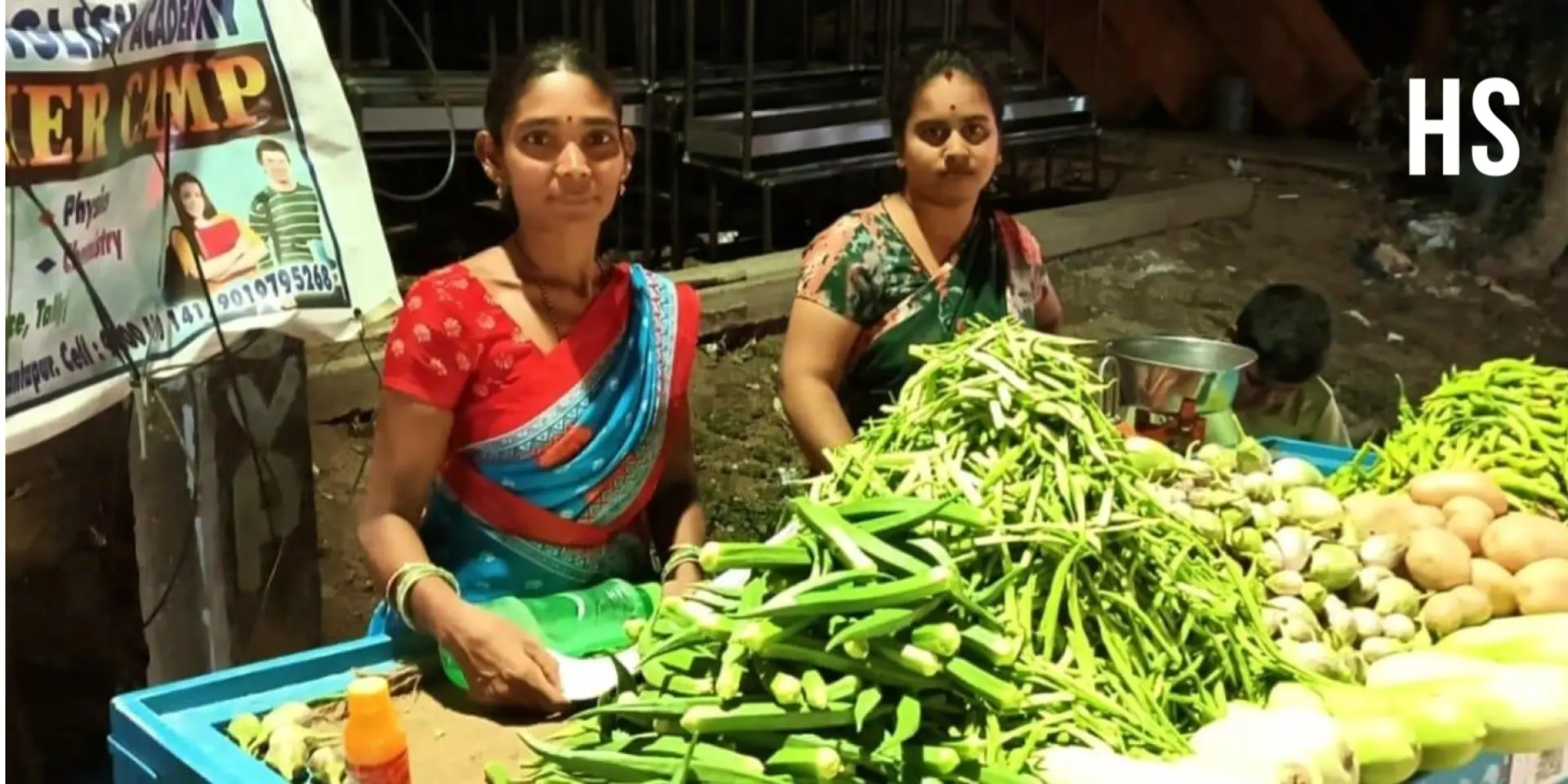

India has more than 250 Heat Action Plans. And most of them ignore women almost entirely, treating almost half of India’s population as a single homogenous category.
For over a decade now, clear evidence has shown that women in high vulnerability districts face higher anaemia, undernutrition, pregnancy loss, menstrual disruptions, and even doubled hysterectomy rates among the poorest.
These are some of the observations that emerge from a new report released in November 2025 by the M.S. Swaminathan Research Foundation (MSSRF). Titled The Impact of Heat on the Health of Women in India, the study combines household surveys, frontline health-system interviews, and facility assessments across heat-vulnerable districts to show how rising temperatures are transforming women’s everyday realities. It also points out that while the country invests in digital warnings, women are far less likely to own a phone or access the internet, leaving them last in line for life-saving information.
Close to 70% of women report physical health symptoms during peak heat, more than half experience menstrual or reproductive disruptions, and two-thirds struggle with anxiety, irritability, or disturbed sleep. Despite this growing burden, one in four women do not seek any care, as frontline workers acknowledge the gaps in screening, diagnosis, and preparedness.
What makes India’s climate preparedness weak isn’t simply little planning, but blind spots about how heat affects women’s actual living conditions and experiences. For instance, a Mongabay India report says many women across Indian cities and informal settlements endure “indoor heat” in tiny, poorly ventilated homes, where ceiling fans “just circulate hot air,” even though the official heat advisories urge people to stay indoors. These houses are made with tin, tarp or asbestos roofing, which traps heat indoors and raises nighttime temperatures. In some districts, over 90% of women live in such housing.
Many women’s workplaces also have no cooling shelters, water stations, factory-level heat monitoring or breaks. Along with working long hours in heat-exposed jobs, these women also cook, clean, and care for children.
At the same time, only a few Heat Action Plans acknowledge these realities.: mMost treat heat as a uniform danger, not a layered threat that hits the poorest of poor women the hardest.
Another gap the MSSRF report flags is how heat is intensifying gendered violence and mental distress. The Impact of Heat on the Health of Women in India finds that violence increases in 72% of households where it already exists, as financial strain, overcrowding, and nights of unbroken heat aggravate tensions. This echoes wider research, including a study highlighted by PreventionWeb, which links rising temperatures in South Asia to higher rates of intimate-partner violence by amplifying stress and social strain.
And while India lacks systematic reporting on this connection, news cycles have offered a window into this trend. During the 2024 heatwave, reports documented a surge in mental health complaints in Delhi and Uttar Pradesh that included rising irritability, confusion, and emotional breakdowns, as households struggled through nights with indoor temperatures above 40°C. For women, these pressures accumulate in distinct and compounding ways, as they are the ones who stay indoors the longest, wake earliest to manage water shortages, absorb most of the household’s emotional fallout, and continue cooking and caregiving in stifling, poorly ventilated rooms. This makes them both the first to feel the psychological strain of extreme heat, and the least able to step away from it.
A 2025 global-survey analysis by the American Medical Association of low- and middle-income countries (including many in South Asia) shows that extreme heat or drought conditions significantly increase risk of intimate-partner violence (IPV), underscoring that climate stress and household violence are often interlinked.
Still, there are models within and outside the country that show what a more responsive heat strategy could look like. Ahmedabad’s Heat Action Plan - India’s first, and developed in 2013 - has demonstrated measurable impact. The plan introduced early warning systems, public awareness campaigns, and training for health workers, and later expanded into a large-scale cool roof programme to reduce indoor temperatures in low-income neighbourhoods.
Also, evaluations by research groups such as the Indian Institute of Public Health and NRDC have shown that the plan contributed to a significant reduction in heat-related mortality, offering proof that targeted interventions can save lives when supported by funding and inter-agency coordination.
India is also beginning to experiment with cooling solutions that could ease the burden on women who spend long hours in overheated homes. Telangana’s government, for instance, has piloted cool roof initiatives across Hyderabad and other urban areas, applying reflective paint or tiles on public buildings and low-income housing to cut indoor temperatures.
Beyond India, global examples offer a glimpse of what a gender-responsive heat strategy can include. In 2022, Seville in Spain became the first city in the world to name and categorise heatwaves, treating them as public health emergencies rather than seasonal problems. The system triggers targeted outreach for vulnerable groups and has been credited with improving public awareness and preparedness. Cities in the United States, including Los Angeles, have invested in cooling centres, cool corridors, and reflective roofing programmes to protect residents - especially those in low-income communities with high indoor heat.
These examples show that heat adaptation is possible when governments recognise extreme heat as a public health threat rather than a passing inconvenience. As India moves into an era of longer, hotter summers, the question is not whether the country will respond - which it is doing already - but if its response will acknowledge and protect the population that is bearing the greatest brunt of a warming world.
Edited by Jyoti Narayan