


Meet Ankita Vashistha, the venture capitalist who is proving repeatedly that women founders mean business
Ankita Vashistha launched Saha Fund in 2015, India’s first-ever VC fund dedicated entirely to women entrepreneurs. Today, with Arise Ventures, she manages close to $100 million, investing in AI, enterprise, consumer, health, and climate.

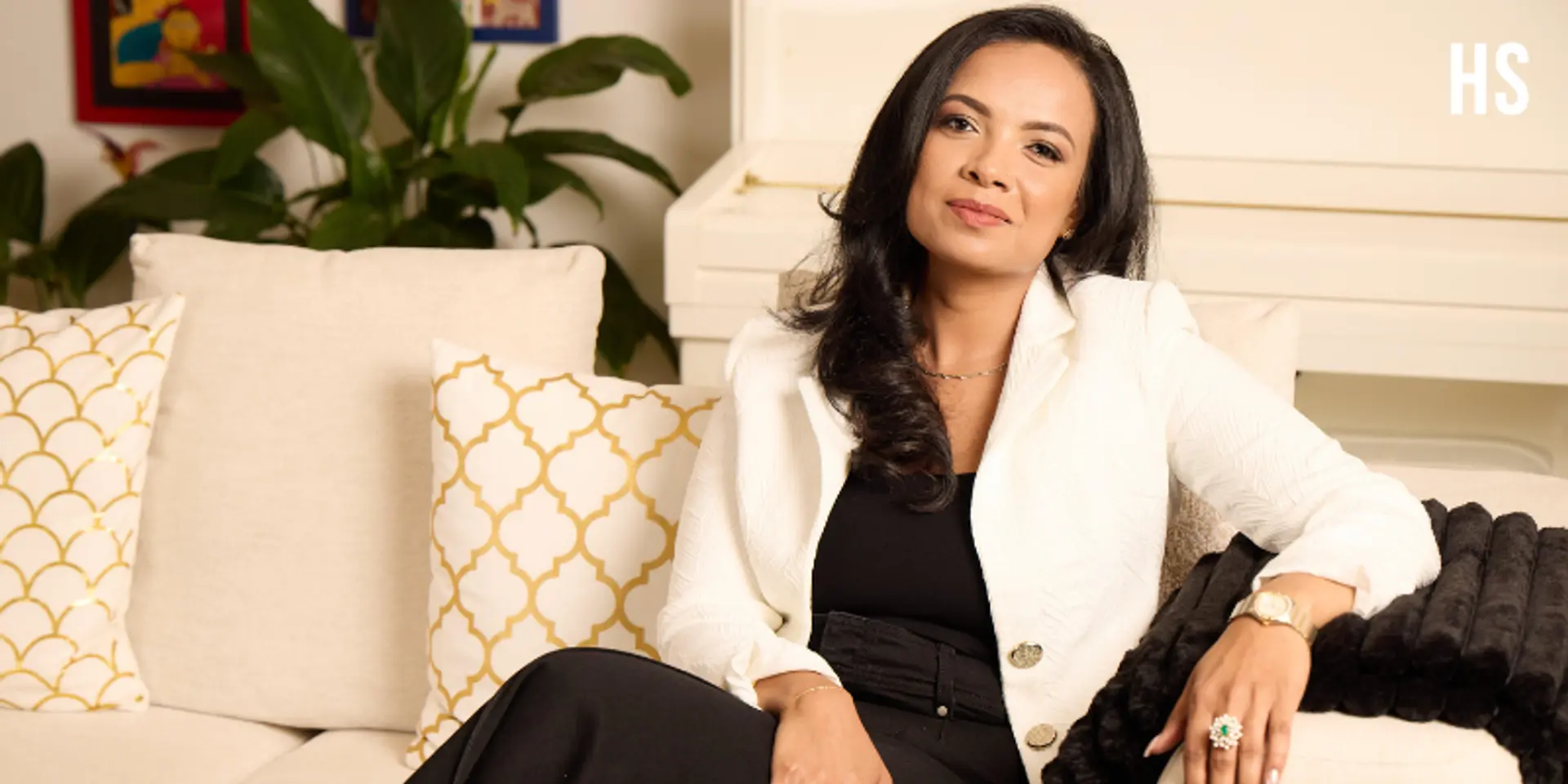

Ankita Vashistha recalls the monthly pitch meetings as a member of the Indian Angel Network in 2012.
Women founders were rare, and when they did appear, alongside male co-founders, they would sit silently as their male partners pitched. When women spoke about women’s health or fashion, they faced an audience of men who would never use their products or knew what they were solving for.
“I realised that there were no opportunities for women, and even if there were, it was not a level playing field,” recalls Vashistha. “We were missing out on backing women entrepreneurs and shifting the narrative by giving them access to capital.”
This much-needed change in perspective, and her own experiences, would lead Vashistha to launch Saha Fund in 2015, long before diversity in venture capital became a mainstream conversation.
Today, as the founder of Arise Ventures, she has backed over 520 founders, all while quietly building the infrastructure to change who gets funded in Indian tech.
An engineer who saw the gap
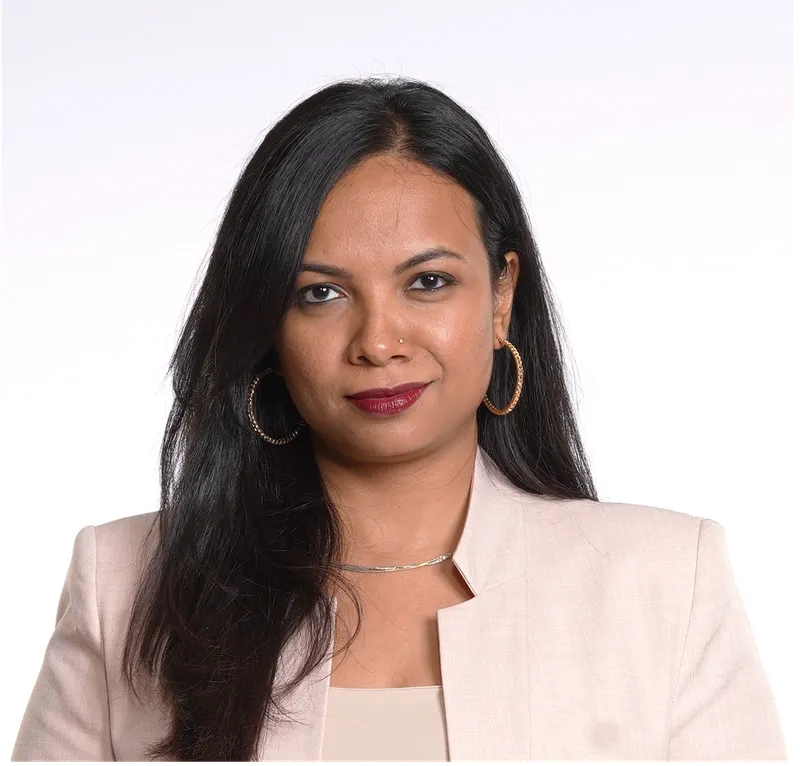
Ankta Vashistha - Founder, Arise Ventures
In her electronics engineering class, Vashistha was one of four girls among eighty students. She then worked in investment banking and private equity in male-dominated workplaces.
Luckily, during her stint in private equity in London, she had a woman boss who provided her with opportunities to learn and grow.
She returned to India around 2012, just as the venture capital space was beginning to take off.
“Women were not at the forefront of engineering, technology, or investments. That bothered me,” she says.
The numbers told an important story. Women make 70% of household purchase decisions, yet products and services for them were being funded or rejected by rooms full of men who weren’t the target users. Vashistha saw a deeper problem: without women investors making decisions, women founders weren’t getting backed.
“I'm a true believer that unless you are the person using something or you are the target yourself, you will not build for it or think to solve for it,” she explains, noting how she couldn't fully understand a maternal health pitch a decade ago because she wasn’t yet a mother. “Women backing women is very important because we need to solve problems like women’s health,” she adds.
Vashisht launched Saha Fund in 2015, looking at early-stage tech focused on women.
“We built a great platform and foundation for capital going to women. We made around 12 investments, raised money from Kiran Mazumdar-Shaw, Ranjan Pai, SIDBI, and others. We have completely exited that fund, giving 3x back to investors. We had a very good exit with JoulesToWatts in the IT services space. We invested in Saturnity, which got sold to CultFit, and CultFit is launching its IPO next quarter,” she explains.
“We proved the thesis that women mean business and they mean returns,” she adds.
Vashistha also spent time figuring out how to work at the larger community and ecosystem level. This led to Arise X, an accelerator programme that was later rebranded to Arise Ventures.
By running cohorts focused on specific sectors—deeptech, climate, enterprise AI, and women’s health—Arise creates a talent pipeline and a support infrastructure that traditional venture programmes often lack.
“We started partnerships with colleges and enterprises like Deloitte, SAP, and AWS to help sandbox our startups, provide mentorship, and enable connections. As a fund, we come in as the next step to back the startups we think are investable,” she elaborates.
Arise has completed five cohorts, backing around 520+ founders through these programmes.
About 75% of founders in Arise cohorts are women, working across sectors from drone tech and space to cybersecurity and biotech. One deeptech cohort culminated in a two-day finale in Mumbai. Sixty-five women founders pitched on stage and then went through meetings with twenty-five VCs in a speed-dating format over two hours.
“Founders said this was the most amazing experience ever. Where will one meet 25 VCs in two hours? They realised they would never have gotten those meetings, and even if they did, it would take months or years,” remarks Vashistha.
The success stories emerging from these cohorts show how the model works.
Streamingo.ai, an AI-powered video analytics company working with P&G and ESPN, grew from $250K-300K in revenue to $2-4 million with support from Arise.
Outdoor Goats, founded by two women building India's online answer to Decathlon, leveraged the programme’s distribution and tech expertise to scale.
The changing landscape
With more than a decade of experience backing women founders, Vashistha is pleased about the fundamental shift over the past few years.
“Back in the day, women felt they had to build consumer products in fashion or similar areas. Now we have women in deeptech, AI, biotech, cybersecurity, healthcare, and more. We have to celebrate women across all sectors,” she notes.
But in the relationship-driven world of venture capital, biases do exist, admits Vashistha. Getting the initial opportunity is limited, she says.
“You are not necessarily personally hanging out with VCs, and you are not part of the boys’ club. A lot of VC and fundraising is based on relationships, networking, and someone referring you. That is still very limited for women because they are not part of those groups,” she observes.
She stresses that investors must recognise women as capable of building businesses across every sector. Venture capital firms, she says, need to take women founders seriously and commit more capital to them. Backing more women and actively dismantling ingrained biases is essential to driving real change.
As AI dominates investment conversations globally, Vashistha sees both opportunity and realism for India.
While the United States has access to billions of dollars to build core IP, LLMs and platforms, Vashistha believes the Indian advantage lies in taking these to build applications in agritech and healthcare.
The country’s digital infrastructure, from QR code payments to 5G in rural areas, creates a foundation for AI applications to transform, including financial services and agriculture.
Beyond returns
Over the years, Vashistha has backed more than 50 companies across India and the US, including names like Licious, Uniphore, CultFit, and Phenom. Her portfolio boasts four unicorns, over twenty exits, and companies collectively valued at over $20 billion.
What excites her the most about her work, beyond valuations, exits, and funding, is the need to build a sense of purpose beyond metrics.
“For me, it’s always been about how we can change the narrative for women founders. I’m passionate about women's health—how can we change the healthcare landscape and healthcare outcomes for women? Shaping, defining, and trying to change the narrative so many more people can be part of that movement is great,” she says.
“I am trying to see if I can put together a collective of VCs who want to allocate for women, give time for women founders, and rally many more people in this movement,” she adds.
Going forward, Arise’s investment strategy is to sharpen its focus on the intersection of healthcare, AI, and consumer wellness. From menopause supplements and at-home diagnostics to wearables, Vashistha will back what she describes as “good for you” brands that combine science, technology, and everyday health needs.
“We don’t just write cheques. We want to be a bigger partner, be go-to-market focused, and get into more sectors more deeply and with purpose.”
(The story has been updated to correct a typo.)
Edited by Swetha Kannan