


Economic Survey 2025-26 highlights rise in women’s workforce participation, calls for structural reforms
The Economic Survey 2025-26 points to rising women’s workforce participation and flags the need for mobility, care and housing reforms.

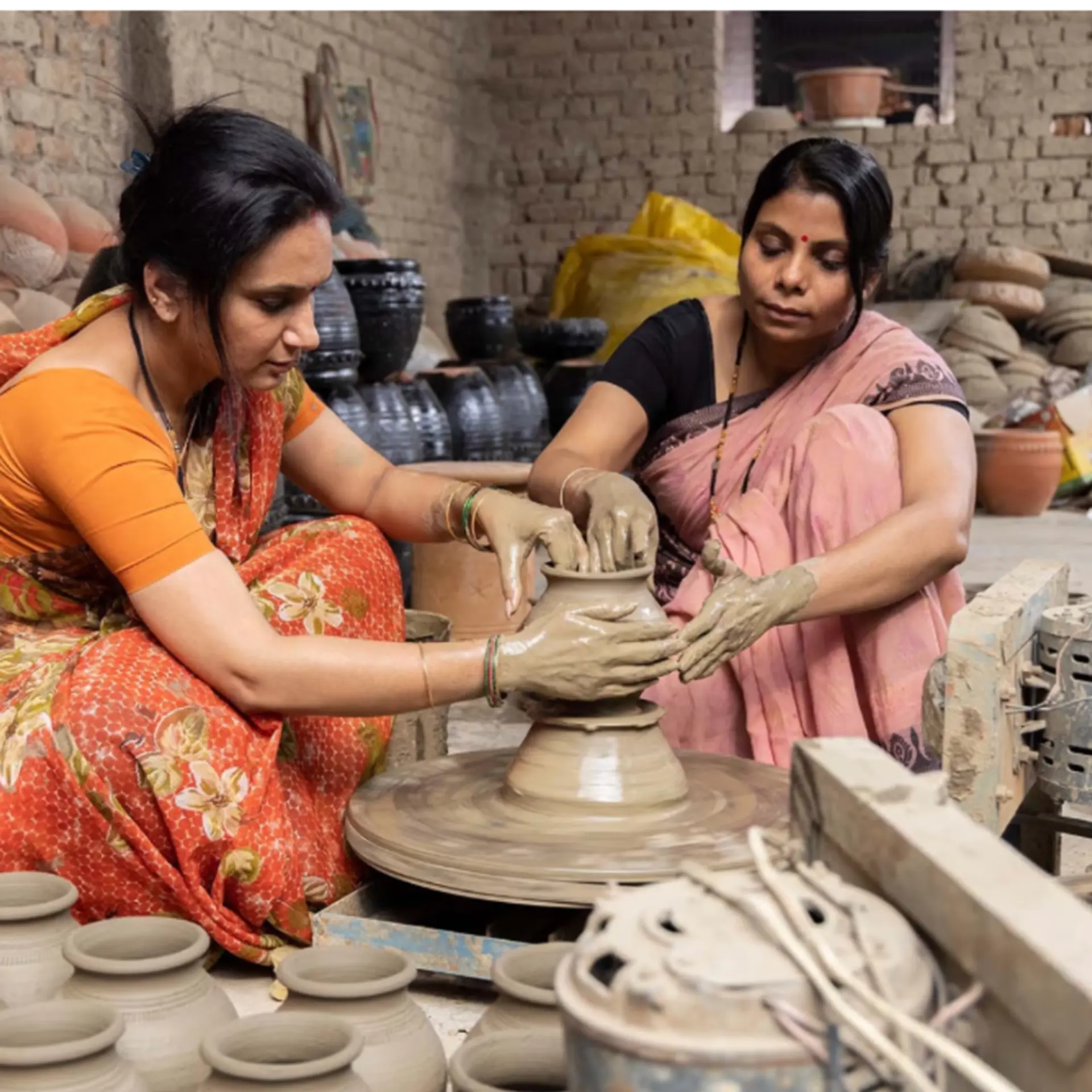

India has recorded a positive trend in women’s participation in the labour force over the past six years, reflecting a shift toward greater inclusion and economic empowerment, according to the Economic Survey 2025-26 presented in Parliament on Thursday.
The Survey pointed out that the Female Labour Force Participation Rate (FLFPR) rose from 23.3% in 2017-18 to 41.7% in 2023-24, even as the unemployment rate declined from 5.6% to 3.2% during the same period.
According to the Women and Men in India, 2024 report cited in the Survey, the share of female-headed proprietary establishments rose from 24.2% in 2021-22 to 26.2% in 2023-24. The manufacturing sector stands out, with women heading 58.4% of such establishments in 2023-24. West Bengal, Karnataka, Gujarat and Andhra Pradesh, which show a higher presence of female-headed enterprises, also report higher female labour force participation.
Despite these positive numbers, the Survey cautioned that factors such as limited mobility, lack of affordable and safe housing, and rigid work arrangements that clash with caregiving responsibilities continue to restrict women’s access to stable, formal and higher-paying employment.
The Periodic Labour Force Survey (PLFS) 2023-24 shows that women aged 25 years and above with advanced degrees account for just 2.9% of the employed female workforce across rural and urban India.
The STEM gap
Women also remain underrepresented in Science, Technology, Engineering and Mathematics (STEM) disciplines, constituting 43% of enrolments in 2021-22.
The Survey attributed this to entrenched social norms, care responsibilities, early marriage, and the rising cost of higher education. It points out that encouraging women’s participation in STEM is critical to expanding access to white-collar services, modern manufacturing, and future-ready jobs.
Urban mobility and safety
Urban areas offer higher returns to education and better job quality, but women’s access to these opportunities is often curtailed by unsafe and expensive mobility. A World Bank study cited in the Survey found that 31% of women identified commuting as a barrier to work, while childcare and domestic responsibilities further compounded travel constraints.
Concerns around safety force many women to opt for costlier transport options, a phenomenon described as the ‘Pink Tax’. To address this, the Survey called for a gender-responsive approach to urban transport, extending safety infrastructure and providing affordable intermediate transport to cover women's entire travel chain, from doorstep to destination.
It highlighted initiatives such as Kochi’s Women Police Control Room vans, Hyderabad’s SHE Teams, and programmes to train women as professional drivers in the National Capital Region as models that can be scaled up.
Housing and care
Access to secure and affordable housing remains another important factor affecting women’s workforce participation. The Survey highlighted the Ministry of Women and Child Development’s Sakhi Niwas scheme and Tamil Nadu’s ‘Thozhi Hostels’ — working women’s hostels developed through public-private partnerships as examples of gender-responsive infrastructure that support migration for work.
Expanding anganwadi centres, integrating community crèches, and incentivising employer-linked childcare can ease the unpaid care burden, while professionalising care work could generate formal employment within the social sector, it said.
The Survey noted that the new Labour Codes permit women to work from home after availing maternity benefits, and emphasised the need to promote hybrid work models, equal pay, and stronger protection against workplace harassment.
Skilling and partnerships
The Survey also said that aligning skill development programmes with industry demand, particularly in manufacturing, renewable energy, digital services and agro-processing, can ensure that women are equipped for emerging opportunities. It also underscored the importance of ‘returnship’ and ‘back-to-work’ programmes to support women re-entering the workforce after career breaks.
It also highlights the role of public-private partnerships as key drivers of change, taking examples of Telangana’s WE-Hub, Kerala’s Kudumbashree mission, and Maharashtra’s Mahila Arthik Vikas Mahamandal that connect women to credit, markets and enterprise support, including in non-traditional sectors such as construction and logistics.
“Increasing women’s participation in the labour market is not merely a matter of inclusion but a key driver of India’s long-term economic transformation, as higher female employment supports fairer labour market outcomes, strengthens household welfare and contributes to building a more inclusive, resilient, and productive economy on the path to Viksit Bharat by 2047,” it said.
Edited by Jyoti Narayan