



Meet Renee Noronha, India’s youngest female Ironman, who is chasing a six-continent dream
At 20, India's youngest female Ironman finisher is not just chasing a world record but is also redefining what's possible for young female athletes and encouraging more young girls to step into endurance sports.

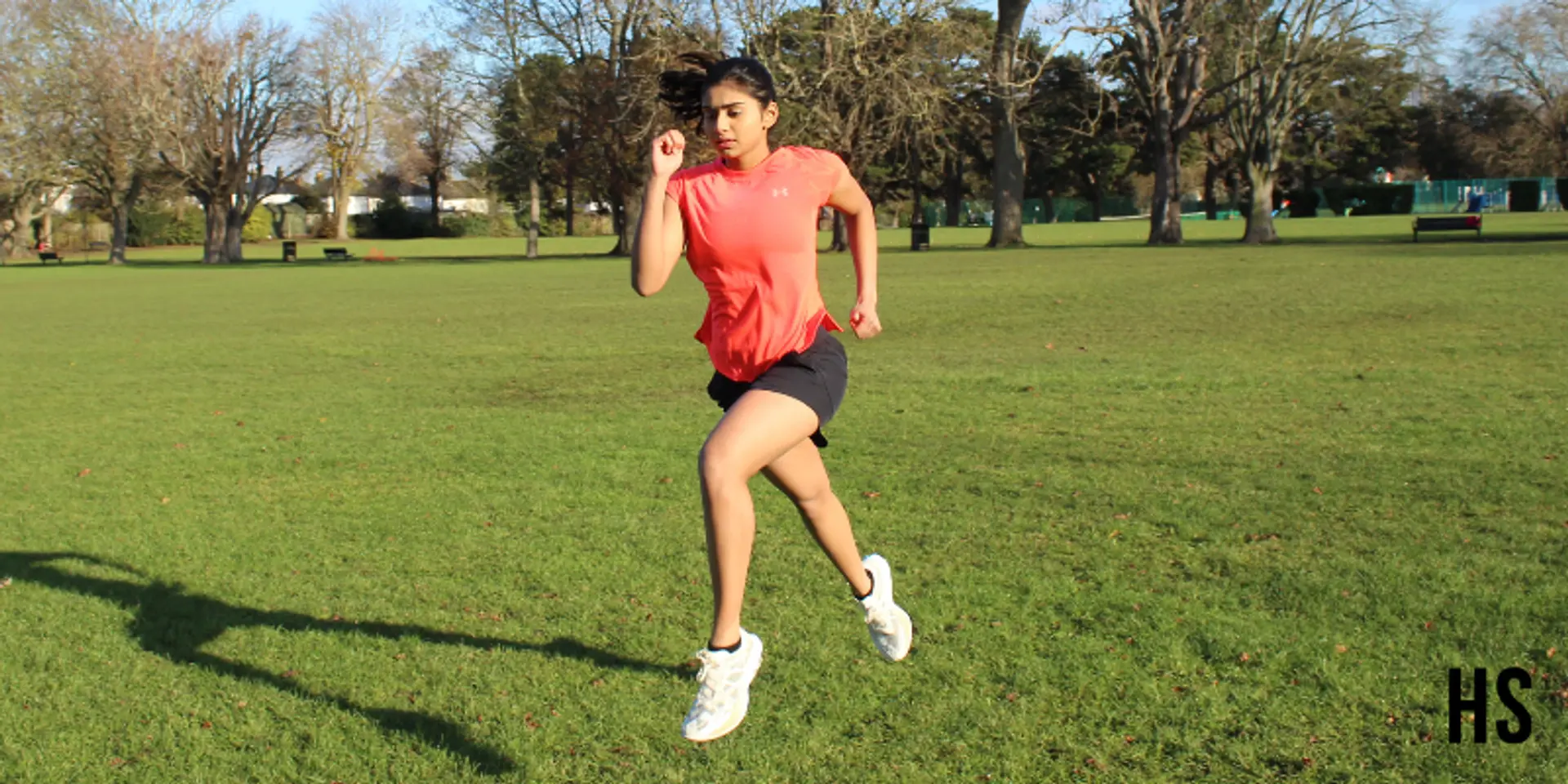

When Renee Noronha crossed the finish line of her first Ironman challenge in New Zealand in 2024, battling rain, headwinds, and choppy waters, she became the youngest Indian woman to complete the gruelling endurance event.
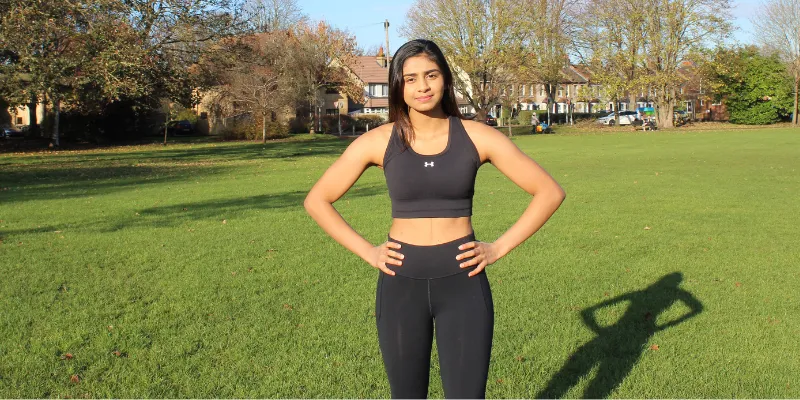
Renee Noronha
When most people her age were still figuring out college, at 18 years, Noronha was already proving she could swim 3.8 km, cycle 180 km, and run a 42.2-km full marathon in 16.5 hours. She went on to better this time by completing the Ironman European Hamburg Championship last year in just 14 hours, this time braving a hailstorm.
The endurance athlete has set her sights on a world record to complete Ironmans across six continents before she turns 21. And if that’s not ambitious enough, she’s also eyeing the ‘Iceman’ in Antarctica after that, along with the Norseman Extreme Triathlon, the Comrades Ultra Marathon, and more.
From gymnastics to endurance sport
Born in Mumbai, Noronha was a gymnast for almost a decade, competing in the school nationals before switching to endurance sport.
But at 16, she wanted to try something new.
"I started with running, then swimming, then cycling," she recalls. When her coach suggested she try competing in triathlons, she took the plunge. Her first race, Bergman Pune in 2022 ended with a first-place finish in her age group. That victory pushed her further.
After a year of training, Noronha and her coach decided to aim for the ultimate test: an Ironman. She trained for another year, gradually building up to distances that would make most people wince.
"The whole idea of doing an Ironman is overwhelming at first. But I didn't think of it as one big thing. I tried to break it down into smaller parts and trust the process,” she says.
The mental marathon
Noronha believes apart from physical training, the mental approach to endurance sport is very important because your opponent is yourself, the distance, and the elements.
"I train my mind the same way I train my body—consistency and training. It's your mindset that carries you through these long-distance events,” she explains.
Her training routine is rigorous throughout the year—she does four to five swims in a week, three bike sessions, and four runs. These change based on her goals, and, six months before a race, the intensity increases.
“Three to four months before an Ironman is where the volumes and intensity almost touch the Ironman distances separately. My longest cycle ride would be maybe 180 km, my longest swim will be 4 km, and my longest run will be about 40 km. Then four to three weeks before the race, we start tapering down; so we gradually start decreasing the volume. I arrive at the race, at the start line, ready, prepared, and strong, ready to race,” Noronha explains.
But the real test comes during the race itself, especially when conditions can sometimes turn brutal.
Yet quitting, she says, never felt like an option.
"When things got tough during the race, I visualised the finish line and I reminded myself: this is why I started. You've trained for maybe two years and this is just one day—you need to do this,” she says.
Staying present in the moment
An endurance sport like Ironman or a triathlon also involves loneliness and fatigue, because one is alone for long stretches of time. How did she train her mind during those moments?
“Long training sessions help me to stay calm, be patient with myself and listen to my body. During the race, I break it down into smaller parts. I try to stay present in the moment and focus on the controllables like nutrition, breathing, technique, and form,” says Noronha.
Behind every gruelling kilometre is a support system that makes it possible. Noronha credits her family for being with her every step of the way. Either her father or mother travels with her, taking care of the logistics while she takes care of the competition.
"These races are actually way more stressful for them than they are for me. I don't see that part of whatever's going on with them when I'm racing. It's only after that where they tell me what happened and how worried they were,” she says.
Noronha is also the latest addition to Under Armour’s athlete roster, the UA SqUAd.
‘Triathlon is a very expensive sport and not many take it up. Under Armour believed in me and saw the potential in me,” she says.
Changing mindsets
Along with training for multiple Ironmans, Noronha is also simultaneously pursuing a BSc in data science and applications from IIT Madras through distance learning.
How does she manage it all?
"It's all about planning and following a schedule, I prioritise nutrition to fuel all of these long sessions. I also focus a lot on recovery and sleep so I can stay healthy and have enough energy for everything I'm doing in the whole day. For academic work, I plan everything, so nothing clashes. Following a schedule has helped me manage both sports and studies,” she shares.
The current record for completing an Ironman on all six continents is held by 26-year-old Canadian triathlete Connor Emen.
Noronha wants to shatter the record across both genders. She is training for Ironman Philippines in May-June and aims to complete two other Ironmans this year, and one next year.
Noronha believes endurance sport has changed the way she approaches everyday life.
"It's taught me patience, perspective, and how to stay calm when things don't go to plan,” she says.
To her, the Ironman title represents discipline, belief, and the courage to dream big at such a young age. “It motivates me to keep pushing forward, and keep setting bigger and bolder goals,” she says.
As Noronha prepares for the next phase of her journey, she is also racing to shift mindsets.
“In a typical Ironman challenge, only 18% of the participants are women. I am glad the number is increasing. I want to use this platform to give back to the community. I want to encourage more young girls to step into endurance sports,” she says.
Edited by Swetha Kannan