



Six groups redefining gender justice through care
Across India, a growing group of organisations is reframing care—once treated as invisible labour, disproportionately carried by women—as a structural gender justice issue, instead of private responsibility.

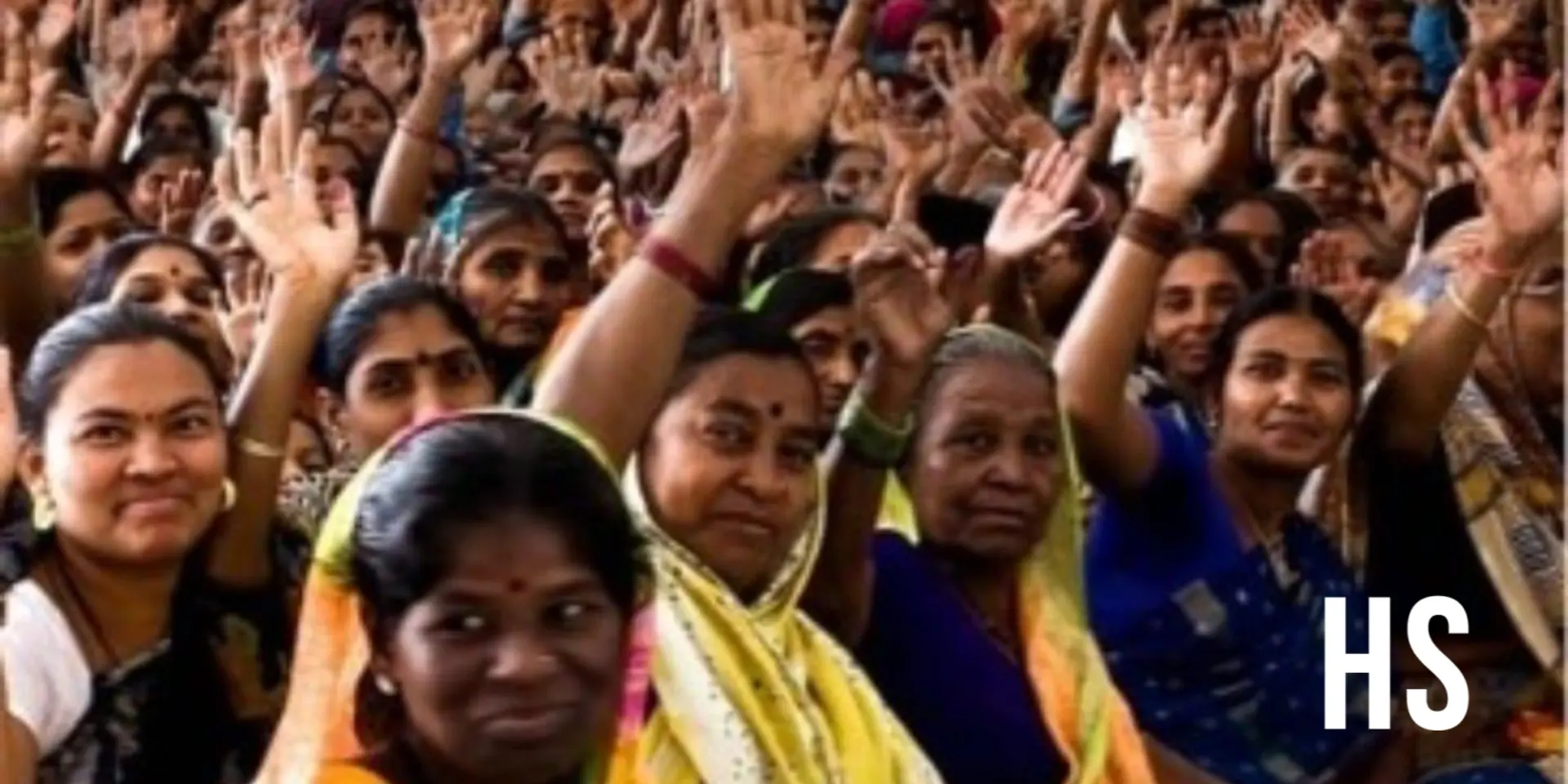

For decades, care work—from emotional labour and caregiving to community support and mental health—has remained largely invisible, undervalued, and gendered.
In India, where women continue to shoulder the bulk of unpaid and underpaid care, this imbalance shapes their access to education, work, health, and public life. Yet, beyond policy debates and headline reforms, these organisations are quietly working to shift how care is understood, supported, and distributed.
Feminist collectives, labour unions, research institutions, and men’s engagement networks are reframing care as a matter of rights and systemic responsibility.
One Future Collective, Mumbai
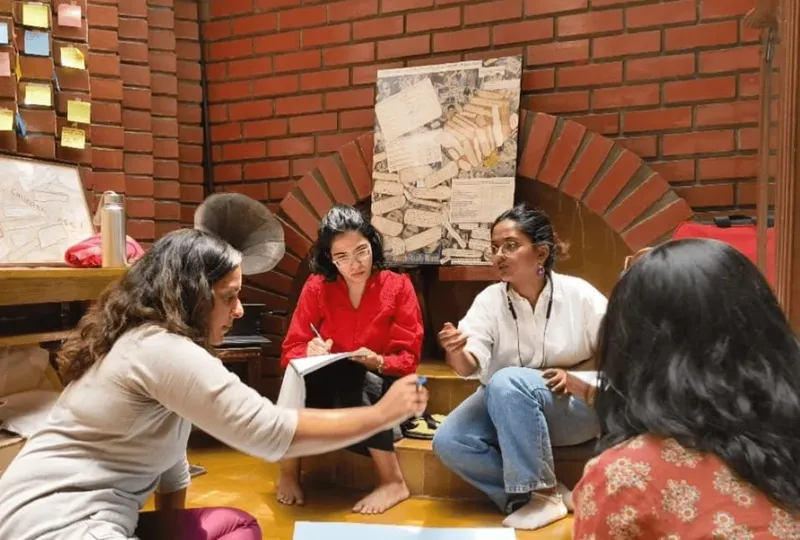
One Future Collective, a Mumbai-based feminist social purpose organisation, uses people power and institutions to build a world rooted in social justice and communities of care. It works across feminist leadership, mental health support, legal aid, community organising, and advocacy, offering programmes, healing spaces, and fellowships that centre dignity, safety, and belonging.
Founded in 2017 by queer activist, lawyer, and social entrepreneur Vandita Morarka, the organisation began with youth leadership programmes, expanding its work to institutional transformation and community-centred support, especially during the COVID-19 pandemic, when it responded to urgent mental health, legal, and financial needs. Since then, its work has reached over two million people.
Morarka guides OFC’s strategy and impact, nurturing feminist leadership and embedding healing justice in practice. Under their leadership, OFC has developed leadership fellowships and community programmes that centre care as an integral component to equity.
Gender at Work (G@WI) India
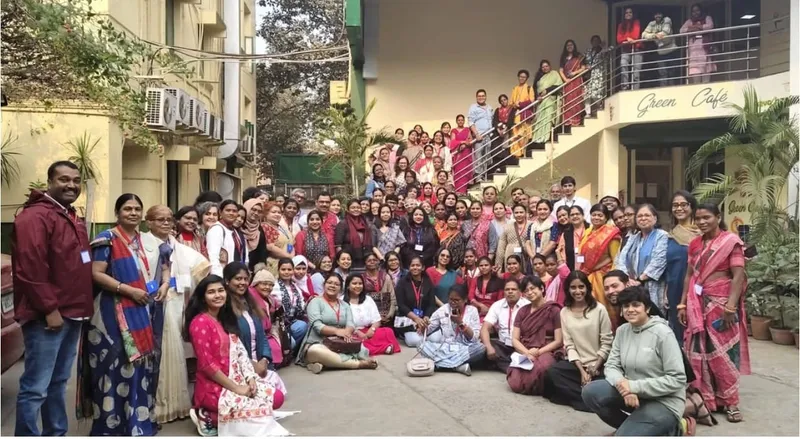
Gender at Work India is a New Delhi-based feminist think tank and capacity-building organisation focused on driving institutional change for gender equity and inclusion within workplaces and systems across India.
G@WI was co-founded internationally in 2001 by Aruna Rao, a feminist scholar-practitioner, who led the organisation as Executive Director for 14 years.
It started operations in India in 2015 and uses an intersectional feminist approach to help organisations understand and transform the deep structures—from policies to cultures—that perpetuate gender inequality and exclusion.
Rather than offering standalone training, G@WI designs action-oriented processes, workshops, and learning programmes that equip leaders and teams with tools to embed gender equity in everyday practices. Its work emphasises collaborative learning, evidence-based research, and strategic interventions that enable organisations to shift norms and institutional behaviours.
G@WI also builds knowledge and evidence through policy briefs and resources, helping change agents identify barriers and opportunities for gender justice. Through these efforts, it enables a sustained transformation of organisational cultures toward equity, inclusion, and collective accountability.
Self-Employed Women’s Association (SEWA), Ahmedabad
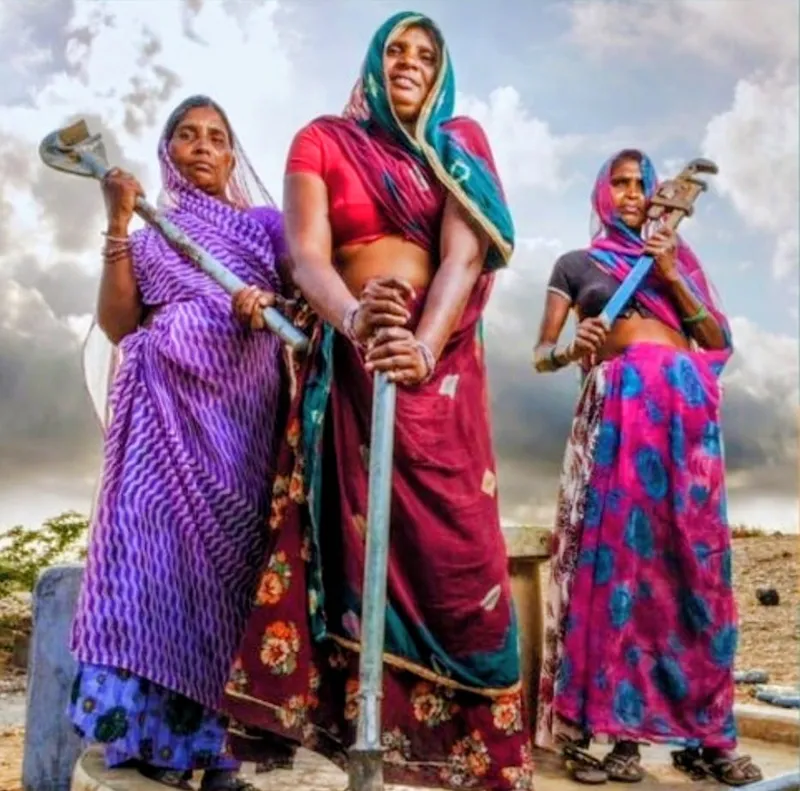
Ahmedabad-based SEWA is a national trade union and grassroots women’s movement, dedicated to organising and empowering poor self-employed women workers in the informal economy.
Founded in 1972 by Indian lawyer and activist Ela Ramesh Bhatt, SEWA emerged to address the exclusion of women outside formal employment protections by ensuring work, income, food security, and social welfare for its members.
Bhatt, influenced by Gandhian principles of non-violence, self-reliance, and collective action, led SEWA as a union that integrates labour organisation with supportive cooperatives and services. Through its holistic approach of organising, capacity building, social security, and asset creation, SEWA facilitates women to attain economic agency and become leaders.
Today, SEWA is one of India’s largest unions for informal women workers, with over three million members across 18 states, providing microfinance, healthcare, childcare, legal aid, and market access to bolster livelihoods and promote self-reliance.
Men’s Initiatives for Transforming Relationships through Action (MITRA)
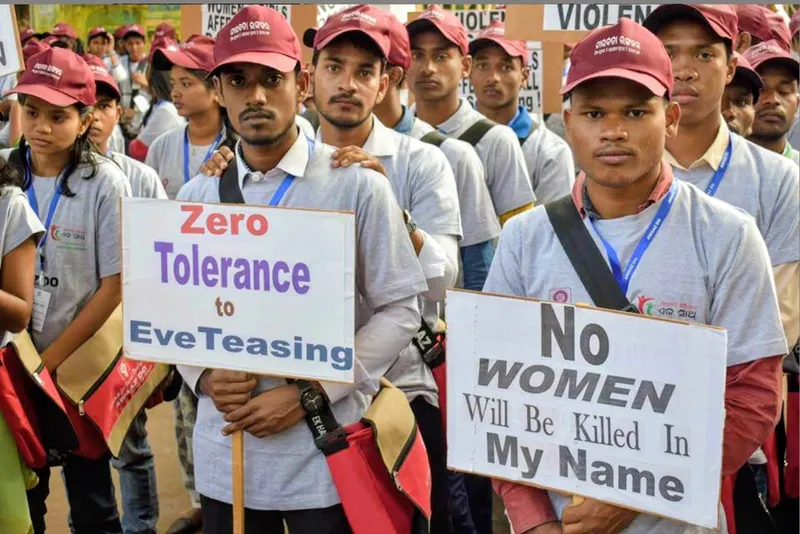
MITRA is a Delhi-based gender justice resource centre and network focused on engaging boys and men as partners in gender equality rather than being bystanders. Operating through a rights-based framework, MITRA supports training, capacity building, grassroots projects, campaigns, and knowledge sharing to shift social norms around masculinity, care, and gender roles known to cause discrimination and violence.
Rather than positioning men as “fixers,” MITRA emphasises accountability, reflection, and partnership with feminist movements and social justice allies to challenge patriarchal norms. Its ‘Ek Saath’ (Together) campaign engages boys and men nationally to rethink gender roles, share care work, and act collectively for equality.
MITRA works with activists, organisations, researchers, and media to build evidence and community practice around engaging men in ending violence, supporting caregiving and advancing gender equity.
Institute for What Works to Advance Gender Equality (IWWAGE)
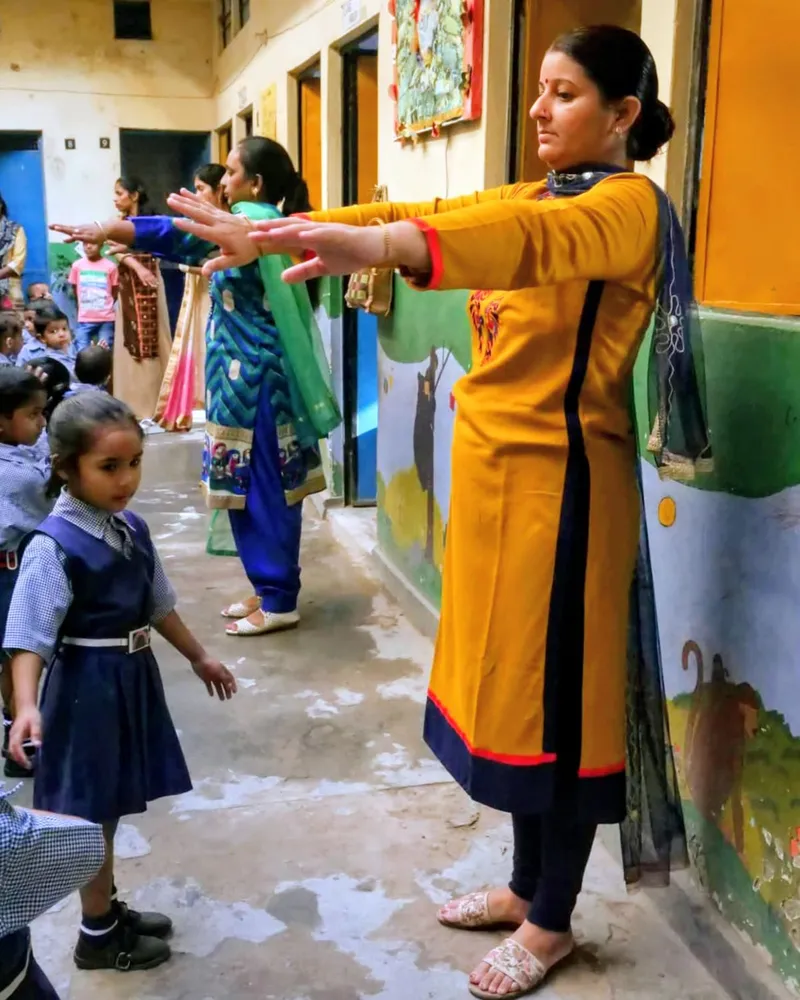
Delhi-based research initiative IWWAGE focuses on turning evidence into action—using research to shape real-world policy, programmes, and practice for gender equality in India. Its work centres on women’s economic empowerment, unpaid care burdens, labour force participation, and the structural barriers that limit gender justice, aiming for a better-informed, stronger, and more responsive policymaking.
IWWAGE was established as an initiative of LEAD, an action-oriented research centre of the Institute for Financial Management and Research Society (IFMR Society), Chennai, with strategic support from Krea University. It operates at the intersection of research, policy advocacy, and practical solutions.
The organisation produces policy briefs, research compendiums, and hosts collaborative forums that support governments, civil society, and institutions in understanding what works to advance gender equality. It also works with large national systems, including the National Rural Livelihood Mission, to strengthen gender integration in policymaking. Through this evidence-led approach, IWWAGE bridges the
gap between research and action.
Stree Mukti Sanghatana (SMS), Mumbai
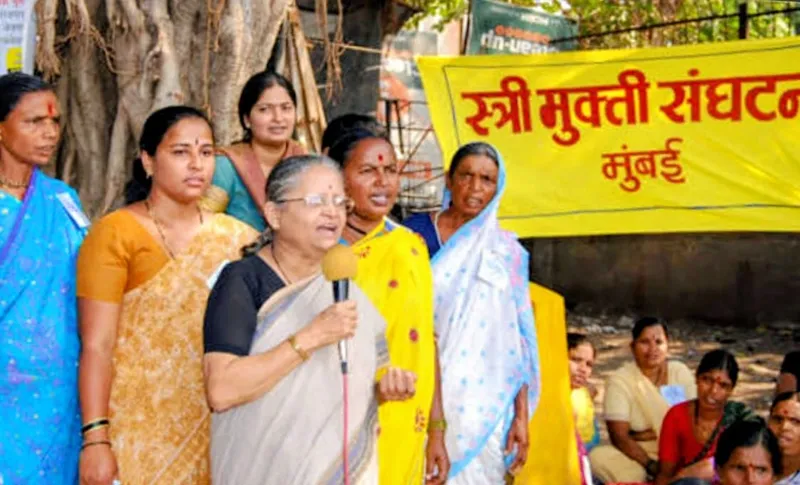
Stree Mukti Sanghatana (SMS), a Mumbai-based women’s liberation organisation, has worked for over four decades to empower women and build a more gender-just society in India.
It was founded in 1975 by a group of feminist activists, including Jyoti Mhapsekar, Sharada Sathe and others, who sought to challenge patriarchal norms and expand women’s awareness of their rights and social conditions.
SMS began with street theatre and cultural outreach to raise awareness about gender inequality, most notably through the play ‘Mulgi Zali Ho’ (A Girl Is Born), which became a seminal part of its early advocacy work. Over the years, it expanded its programmes to include family counselling centres, childcare services, adolescent sensitisation, publications, and livelihood support.
A distinctive area of its work has been organising women waste pickers through the Parisar Vikas programme, helping thousands of women gain skills, income, leadership and dignity. SMS also holds consultative status with the United Nations Economic and Social Council (ECOSOC), reflecting its longstanding contribution to women’s rights and community development.
Edited by Suman Singh