



India’s deepening dowry crisis: Why women continue to succumb to death despite legal protections
The recent deaths of Twisha Sharma and Deepika Nagar have once again drawn attention to India’s dowry crisis. NCRB data for 2024 shows 5,737 dowry-related deaths, highlighting a systemic problem despite several laws in place.

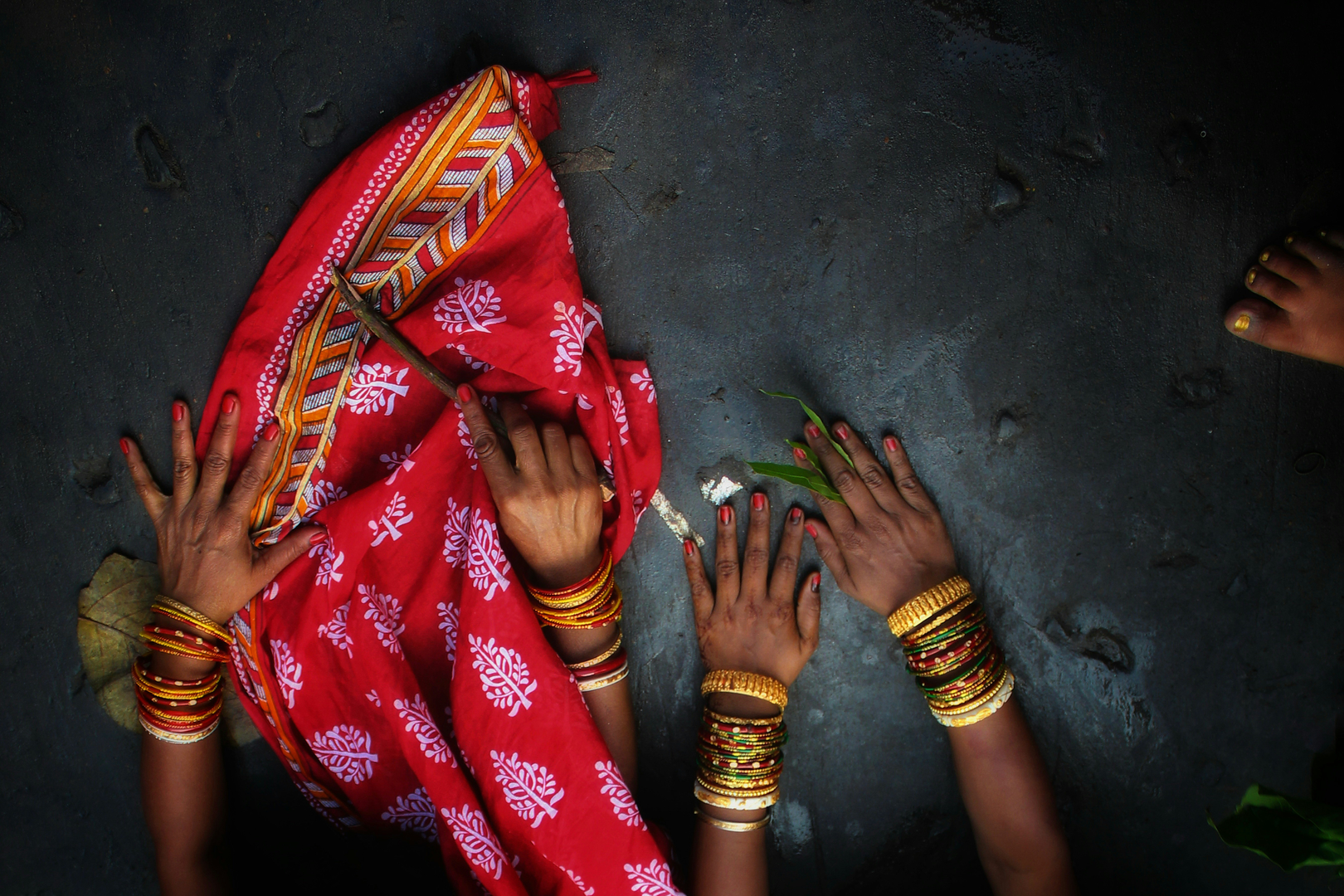

Trigger warning: The story mentions 'suicide'.
The recent deaths of two young women, allegedly by suicide, have once again put the spotlight on India’s deepening dowry crisis.
Thirty-three-year-old Twisha Sharma was found dead at her husband’s home in Bhopal on May 12, while Deepika Nagar died after falling from the balcony of her home in Noida on May 17. In both cases, allegations of dowry harassment have intensified public scrutiny around a crisis that continues to claim thousands of lives every year.
In Twisha’s case, her parents have alleged that she faced sustained abuse from her husband and in-laws, with dowry demands conveyed through sarcastic taunts rather than explicit demands. In Deepika’s case, news reports say her family has accused her husband and in-laws of continuous harassment and repeated dowry demands after marriage. In a recent interview, Twisha’s mother-in-law, Giribala Singh, refuted the allegations of dowry harassment.
According to data from the Crime in India 2024 report by the National Crime Records Bureau (NCRB), India recorded 5,737 dowry deaths in 2024. That translates to 15-16 deaths every day. Twisha’s and Deepika’s deaths are not isolated tragedies; they are the reality in India’s recurring crime data.
Every outrage is unsettling because dowry deaths continue to happen frequently. However, many go unreported, and several cases of domestic violence remain unregistered.
Legal provisions
India has several laws meant to address dowry harassment and protect women. The Dowry Prohibition Act, 1961, makes giving, taking, or demanding dowry a punishable offence, while the Bharatiya Nyaya Sanhita, 2023, includes provisions to deal with dowry-related crimes. The Protection of Women from Domestic Violence Act also recognises dowry harassment as a form of domestic abuse and offers remedies such as protection orders, monetary relief, residence rights, custody, and compensation.
Beyond legal measures, the government has introduced support systems, including One Stop Centres for women in distress, women’s helplines, the 112 emergency response system, women's help desks at police stations, and awareness programmes aimed at prevention and support.
Despite legal protection, dowry-related deaths persist.
The map of dowry violence
NCRB data for 2024 shows that Uttar Pradesh recorded the highest number of dowry deaths in the country, with Bihar, Madhya Pradesh, and Rajasthan among the major contributors. Delhi reported 109 cases of dowry deaths in 2024.
Bengaluru—the city of startups, IT professionals, educated people, dual-income households, and modern marriages—saw the highest number of dowry-related cases among metropolitan cities. Of the 1,008 dowry-related cases reported across India's metro cities, 878 were recorded in this city alone.
This busts the myth that dowry is a problem in less educated, less urban India.
While dowry demands may not be explicit, these days, it’s often packaged differently as “gifts”, “help with setting up the home”, “contributions”, “lavish wedding” or “help your daughter have a good life.”
Only when dowry deaths like those of Deepika, Twisha, or Vismaya in 2021 make national headlines does the country briefly confront a crisis that otherwise remains buried in annual crime data. And then it fades into yet another news cycle, until another young woman succumbs to the pressures of dowry.
For the scourge of dowry to be eradicated from the country’s social fabric, it’s not enough to just have laws in place. Reporting cases of domestic violence must be made easier and safer, and the authorities in charge must be more responsive. Swift reporting and intervention mechanisms must be introduced at the local governance level so that action can be taken before abuse becomes a tragedy.
Too often, women and their families are asked to "adjust", "settle", or “compromise” rather than pursue complaints. This must change so that more young women can come forward without fear of dismissal or stigma.
When daughters speak of harassment, coercion, or abuse, parents must hear them out, support them, and act immediately rather than worry about the family’s izzat (honour) or what society will say. It’s important to break free from the log kya sochenge? (What will people think?) attitude.
In most cases, dowry deaths are the result of prolonged suffering, so early warning signs must be acted upon immediately.
Mindsets have to change within families and institutions. Daughters must feel empowered to speak up when things go wrong, and when they do, they must be met with belief, support, and swift action, not silence or denial.
(If you know someone—friend, colleague, or family member—at risk of suicide, please reach out to the following helplines—KIRAN (Government of India Helpline: 1800-599-0019; AASRA - Helpline: 022-2754 6669 (or +91-22-27546669); Vandrevala Foundation - Helpline: +91 9999 666 555 (or 1860-266-2345 / 1800-2333-330)
(Image credit: Dibakar Roy on Unsplash)
Edited by Swetha Kannan