



UN Women flags AI's growing role in gender and racial bias
As AI reshapes industries and everyday life, UN Women warns that the technology is also amplifying gender bias, online abuse of women, and workplace inequalities.

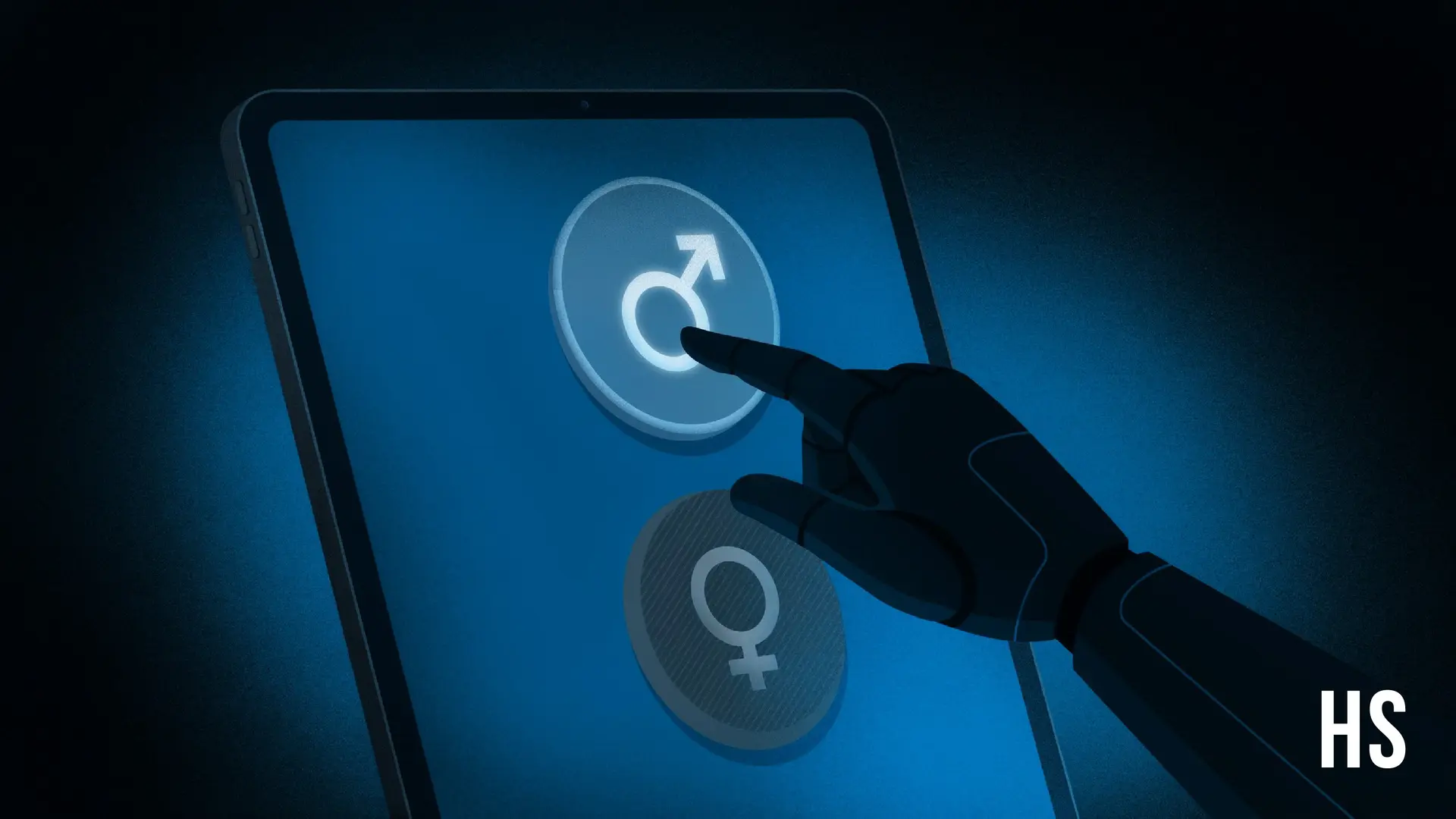

As global leaders prepare to meet at the United Nations Global Dialogue on Artificial Intelligence Governance and the AI for Good Global Summit in July, UN Women has warned that AI systems continue to reinforce gender and racial bias against women.
UN Women is United Nations' entity dedicated to gender equality and empowerment of women globally.
Citing a study in the Stanford Social Innovation Review, UN Women notes that an analysis of 133 AI systems worldwide found that 44% exhibited gender bias, with 26% showing both gender and racial bias.
Generative AI is among the most widely used technologies in marketing and communications. In the UK, 88% of advertising and media agencies are already using generative AI in some form.
However, just 51% of marketers currently subject AI-generated creatives to human review before publication.
UN Women cautions that discriminatory algorithms could perpetuate gender inequality and discrimination.
The study found that around 20% of responses generated by large language models (LLMs) exhibited sexist or misogynistic attitudes. It warned that these biases are compounded by weak policy frameworks, with only 24 of 138 countries referencing gender in their national AI strategies and just 18 including substantive gender-responsive provisions.
AI compounds online harassment of women
According to UN Women, AI is increasing online violence against women and girls, who already face unequal access to digital spaces.
One in four women human rights defenders, activists, and journalists surveyed reported experiencing AI-assisted online abuse, while 12% said their personal or intimate images had been shared without consent. Another 6% reported being targeted with deepfakes, underscoring how AI is enabling image-based abuse and online harassment at scale.
Despite the job opportunities expected to emerge from generative AI, women remain underrepresented, comprising just 30% of the global AI workforce. The report warns that this lack of diversity among those building AI systems risks embedding existing inequalities into technologies used by billions.
UN Women also points out that AI-driven economic disruption is likely to affect women disproportionately. Women outside the AI sector are nearly twice as likely as men to hold jobs at high risk of automation. It adds that AI's impact is compounded by factors such as race, disability, socioeconomic status, and geography, putting already underrepresented communities at even greater risk of being left behind.
The report also highlights the business case for inclusive AI, citing a global study by Unstereotype Alliance that found brands using inclusive, stereotype-free advertising saw 3.46% higher short-term sales, 16.26% higher long-term sales, and greater customer loyalty and pricing power.
As AI becomes integral to advertising, UN Women has urged governments and companies to embed gender equality throughout the AI lifecycle, from development and deployment to governance, to ensure the technology reduces rather than reinforces bias.
Edited by Swetha Kannan