



How a family in Punjab turned a 58-year-old rice company into a global Basmati brand
DRRK Foods, founded in 1967, now exports Crown Rice to 14 international markets, while maintaining a strong domestic presence with 150+ distributors.

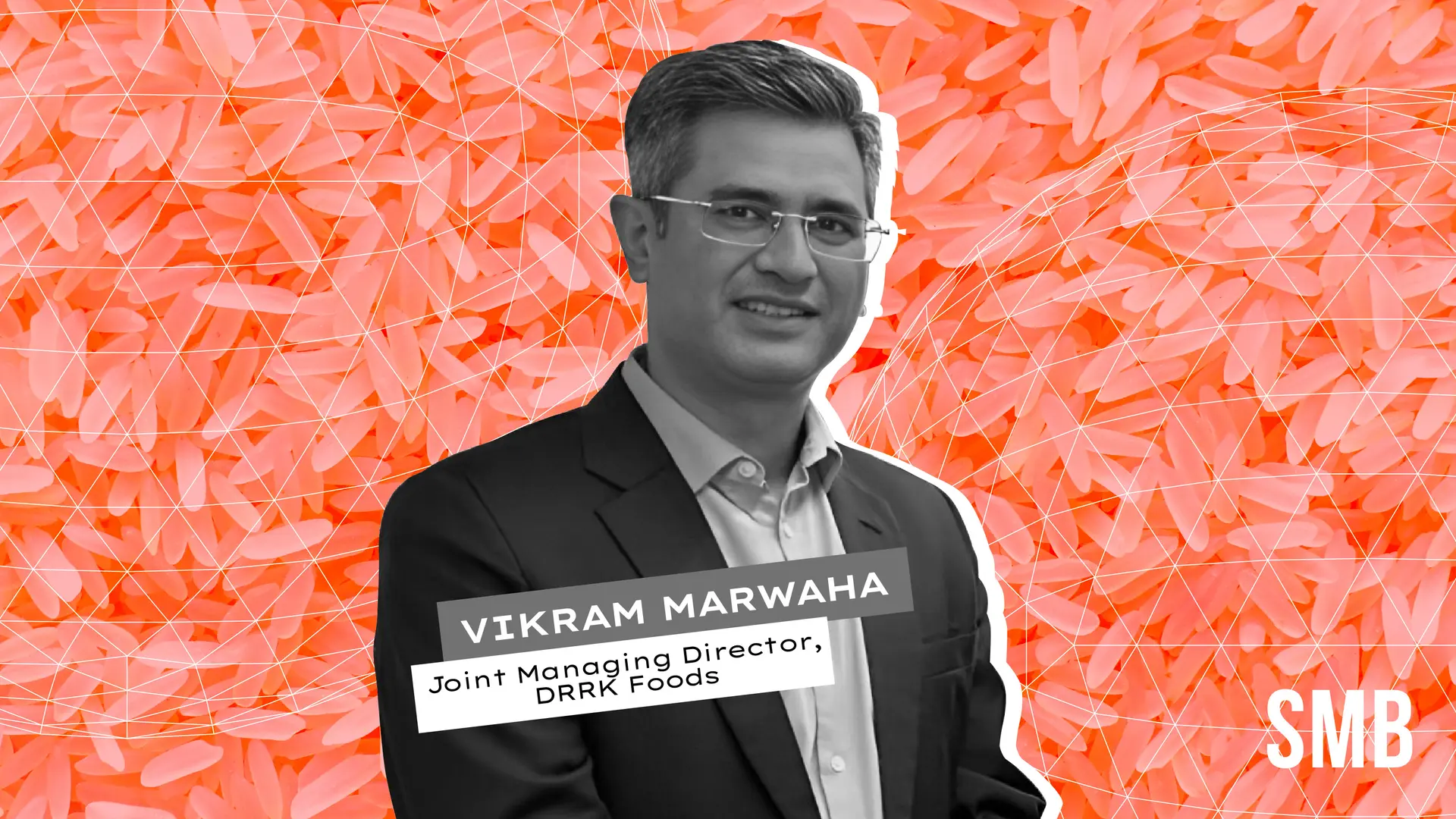

In 1967, during the early years of India’s Green Revolution, Daulat Ram Marwaha and his son, Mohinder Pal, laid the foundation for what would become one of Punjab’s most enduring rice enterprises.
Over time, that humble trading venture evolved into DRRK Foods (Daulat Ram Ramesh Kumar), the company behind Crown Rice—a name now synonymous with premium basmati rice that reaches consumers across India and more than a dozen international markets.
“My grandfather and father built everything on trust. They sold every grain with honesty, and that mindset continues to define us,” says Vikram Marwaha, Joint Managing Director (JMD), DRRK Foods and third-generation owner.
Today, exports contribute nearly 70% of DRRK Foods’ total business. The company currently supplies to about 14 international markets and has over 200 B2B clients.
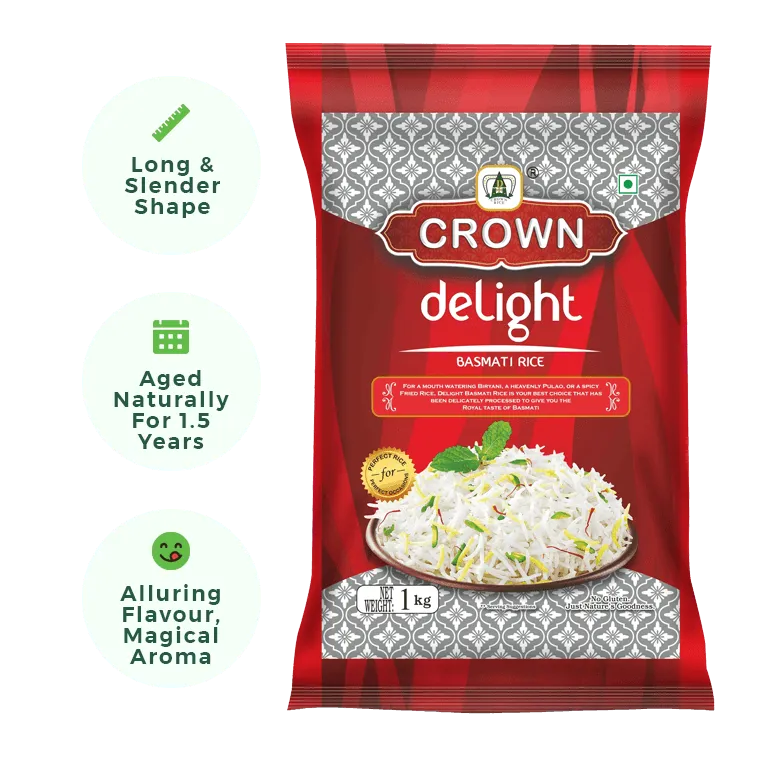
Crown Rice- Delight Basmati Rice
Its international clientele includes major retail groups such as Lulu, Majid Al Futtaim, Ramez, Ansar, and Nesto.
A new chapter
Across nearly six decades, Amritsar-based DRRK Foods has transitioned through four generations of family leadership, each one strengthening the business in its own way.
When Vikram Marwaha joined the company in 2002, he brought a structured and forward-looking perspective. A graduate of Guru Nanak Dev University (GNDU) with management training from IIM Ahmedabad, he has been instrumental in modernising operations, expanding market reach, and professionalising management.
Today, Marwaha oversees DRRK’s end-to-end operations, distribution strategy, and brand development, ensuring that Crown Rice continues to uphold its legacy while scaling for the future.
“Our journey has always been about balance, preserving what worked and modernising what didn’t. Tradition gives us credibility; systems give us scale,” he explains.
Manufacturing and infrastructure
DRRK Foods operates two integrated manufacturing units equipped for milling, grading, and packaging. The company handles around 300–400 metric tons per day, powered by Satake Japan machinery.
To support exports, the company runs a packaging facility in Kandla, while a new Rs 20 crore plant is under construction in Madhya Pradesh with a 20 tons-per-hour capacity, aimed at meeting growing domestic and export demand.
“We build plants not for scale alone, but to remove bottlenecks—whether in procurement, logistics, or product flow,” says Marwaha.
Product portfolio
Crown Rice’s product line revolves around traditional basmati varieties such as 1121 and 1509, catering to both consumer and institutional segments.
Its consumer portfolio includes Crown Classic, Crown Opal, Crown Sapphire Cream Sella, and Crown Amber Golden Sella, spanning premium and everyday price points.
In the HoReCa (Hotel, Restaurant, Catering) category, DRRK offers 15 variants across seven grain-size categories.
Among its newest offerings is Crown Diet Rice, a low-starch variant developed using Japanese technology, reflecting a growing preference for mindful and health-oriented eating.
Domestic reach
Crown has a strong presence across northern and western India and is now expanding into southern markets. The brand plans to increase its distributor base by 50%, from 150 to over 300 within two years.
While available on Amazon, Flipkart, BigBasket, Zepto, and Blinkit, the bulk of Crown’s domestic sales still occur through kirana and general trade channels.
“India isn’t a single rice market—it’s many small ones. Every region has a different preference for grain length, aroma, and texture. Understanding that nuance is critical,” explains Marwaha.
In terms of pricing, Crown Super remains the best-selling variant in metros, priced between Rs 150–Rs 240 per kg, while Crown Daily and Crown Rozana, priced around Rs 100–Rs 120 per kg, see higher traction in mid-segment markets.
Technology and efficiency
Technology remains central to DRRK Foods’ modernisation efforts. Its collaboration with Satake Japan enables precision-controlled sorting, polishing, and grading to ensure consistent quality.
“Automation doesn’t replace people—it sharpens their precision. It lets us preserve craftsmanship while achieving uniformity at scale,” says Marwaha.
The company has recently invested Rs 20 crore in equipment upgrades, warehousing, and digital inventory management to strengthen operational efficiency and supply-chain reliability.
Operational challenges
Despite strong fundamentals, DRRK’s leadership recognises that packaged rice is a competitive FMCG-style category. Challenges such as retail placement, distributor margins, and visibility costs in modern and quick-commerce channels require sustained effort.

How a Chandpur-based kraft paper unit embraced sustainability to evolve into a Rs 250 Cr packaging biz
“Getting shelf space is one of the hardest parts of the job. Retailers hesitate with new SKUs, so it takes time, trust, and consistency to stay on their shelves,” admits Marwaha.
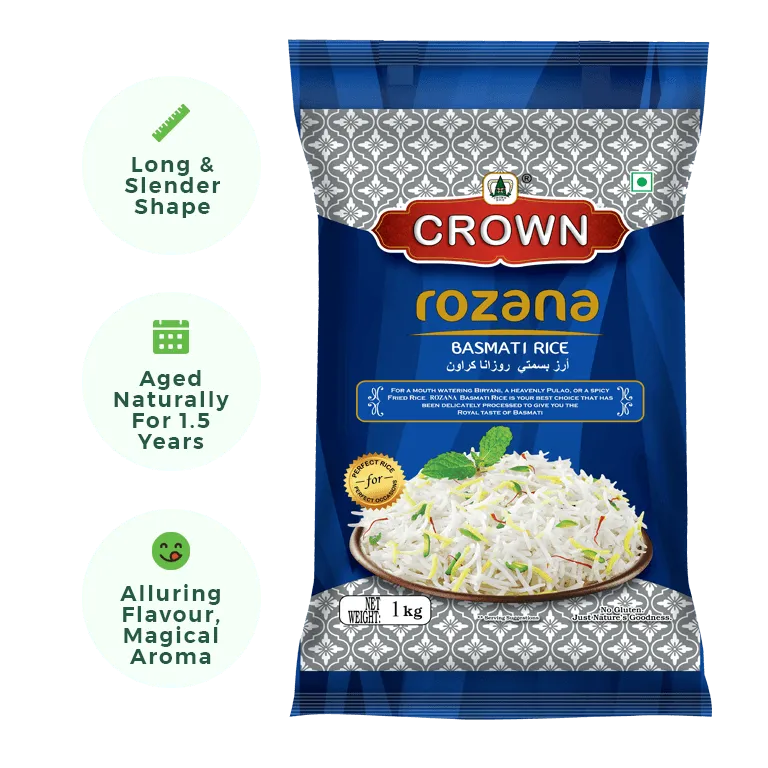
Crown Rice- Rozana Basmati Rice
Even so, the company remains focused on steady, sustainable growth rather than aggressive expansion.
Staying true to its agricultural roots, DRRK Foods continues to invest in community development around its facilities. Initiatives include education and welfare programmes for workers’ and farmers’ children, support for organic farming, and daily distribution of produce and milk to nearby villages.
“We’ve always believed that a business grounded in agriculture must give back to the land and people that sustain it,” says Marwaha.
Future outlook
DRRK Foods employs 153 people and has maintained a 20–25% CAGR in recent years. With new capacity coming online, the company aims to achieve a Rs 2,500 crore turnover by FY27.
“We prefer to build capacity before the demand arrives. It gives us control over quality and flexibility in markets that change quickly,” Marwaha notes.
As DRRK Foods enters its next phase of growth, its focus remains clear, balancing heritage with innovation, scaling responsibly, and continuing the legacy built over four generations.
“Rice isn’t just a product for us, it’s a legacy. Four generations have lived by it, and our job is to keep that legacy relevant for the next fifty years,” concludes Marwaha.
Edited by Affirunisa Kankudti