



How Freedom Tree became a Rs 15 Cr design-first brand without VC backing
Founded in 2010 by Latika Khosla, Freedom Tree offers a full lifestyle range—furniture, textiles, décor, and apparel—designed in-house and crafted in India.

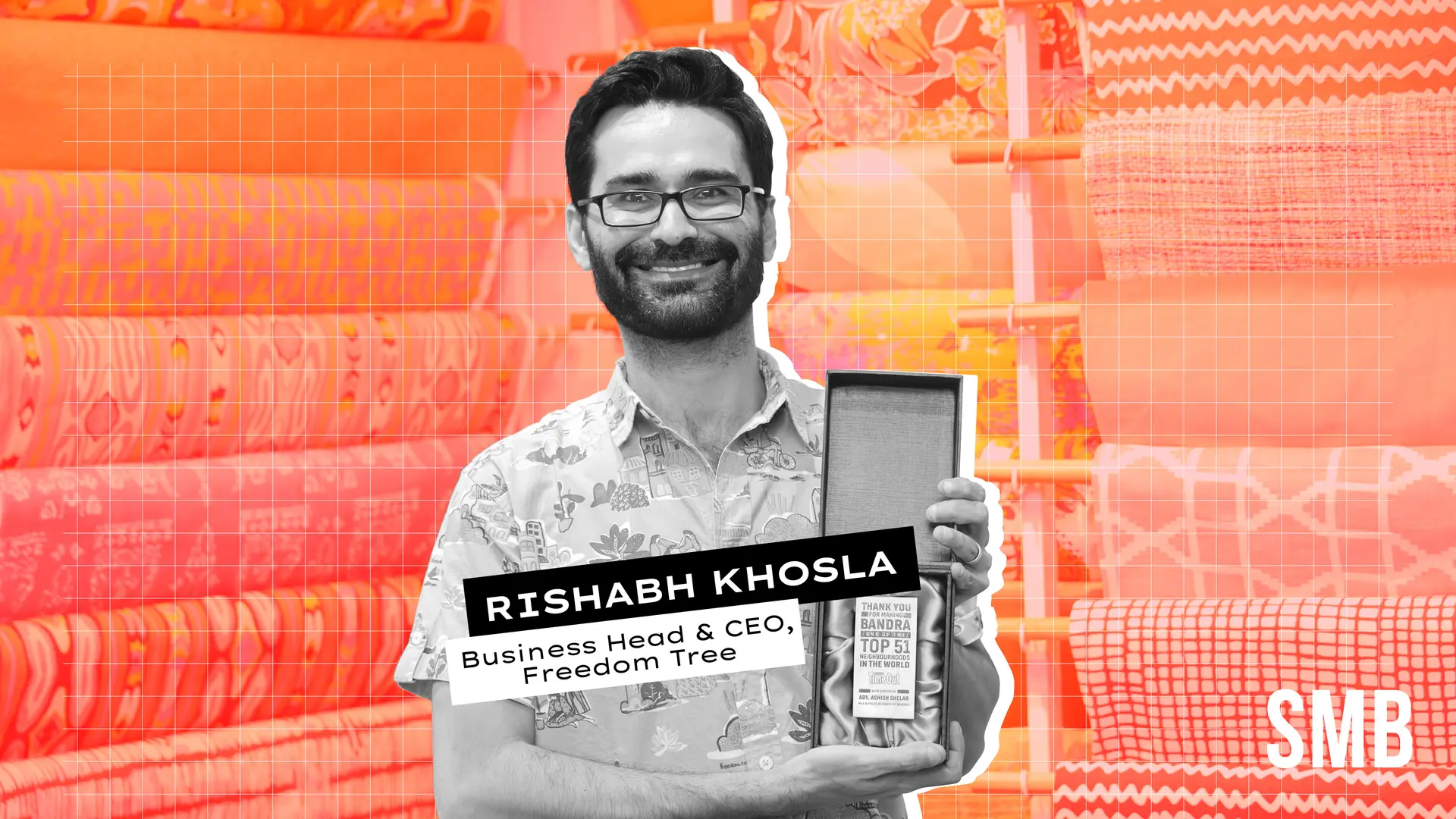

In a consumer landscape dominated by D2C brands chasing celebrity endorsements, VC rounds, and aggressive ad spends, Mumbai-based Freedom Tree has quietly built a Rs 15+ crore lifestyle brand by sticking to its core—design, experience, and loyalty.
“We’ve always believed that good design is not a luxury, it’s a daily need,” says Rishabh Khosla, Business Head and Partner at Freedom Tree, in a conversation with SMBStory. “That belief drives every choice we make—from how our products are created to how our stores are experienced.”
The origin story
Freedom Tree began as a colour and trend consulting studio in 2002, founded by designer Latika Khosla, who also founded a modern home store in the 1990s. The studio has advised global and Indian brands—including Samsung, General Motors, Fab India, Future Group, and JSW Paints—on how to blend design, colour, and storytelling into their strategies. Eight years later, it transformed into a retail brand, expanding on Latika’s design philosophy and reconnecting directly with artisans, suppliers, and manufacturers.
Today, Freedom Tree offers a full lifestyle range—furniture, textiles, décor, and apparel—designed in-house and crafted in small artisan workshops and handcrafted production houses across India. The brand works closely with specialists in traditional crafts—woodwork from the Northwest, metal, glass, and ceramics from the Northeast, weaves from the South, and furniture finishing and textiles in Mumbai. With stores across Mumbai, Bengaluru, Hyderabad, Goa, Pune, and Thane, and an online presence spanning 27,000+ pin codes, the brand has scaled without external capital.
The brand introduces around 600–1,000 new SKUs annually, maintaining a catalogue of about 2,000 active products at any time.
“Roughly one-third to half of this catalogue is refreshed each year, alongside 2–4 new seasonal textile collections developed by the design team,” adds Rishabh.
Rishabh’s global path back to India
Before joining Freedom Tree, Rishabh’s career spanned management consulting, investing, and entrepreneurship across the US and emerging markets. A Yale University graduate, he began his career at Bain & Company in Boston, advising Fortune 500 companies and private equity funds. He later joined an investment fund in Washington DC, focusing on financial access and payments innovation.
His entrepreneurial streak led him to co-found a tech-enabled recruitment platform, Shortlist, focused on Africa. But by the mid-2010s, he felt a pull to return to India and take a more creatively aligned path.
“I had seen business from a systems and strategy lens for years. But I wanted to build something that was not only efficient but also meaningful, rooted in culture,” Rishabh recalls. “That’s when joining Freedom Tree made sense—it combined my analytical background with a deep respect for creativity.”
Since coming on board, Rishabh has been instrumental in transforming Freedom Tree from a boutique studio into a structured, multi-city lifestyle brand, the brand says.
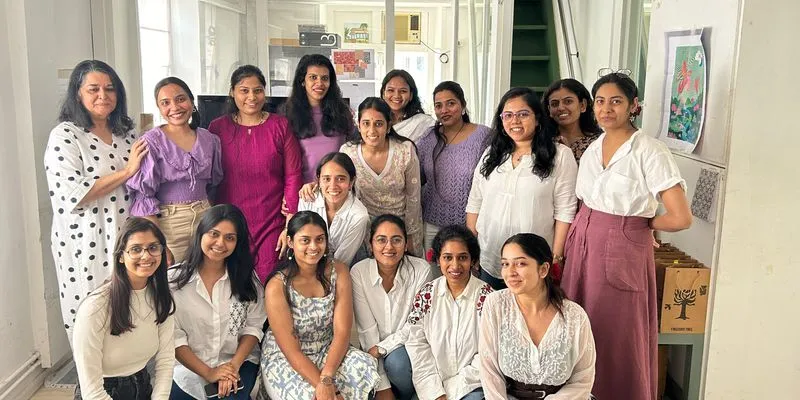
Team at Freedom Tree

Mood retail
Unlike typical showrooms, Freedom Tree’s stores are curated as immersive design stories. The Bengaluru flagship, for instance, is housed in a restored 1960s home, layered with light, colour, and texture. It operates seven stores.
“When you walk into a Freedom Tree store, it shouldn’t feel like shopping. It should feel like discovery, like stepping into a home filled with joy and stories,” says Rishabh. “That’s why we call it ‘mood retail.’ It’s about emotion, not hard-sell.”
This approach has worked successfully for the brand, with over 70% of its revenue coming from offline stores, while the digital business continues to grow steadily.
In addition, the brand is available on key platforms like Nykaa, Myntra, Tata CLiQ, and select boutique ecommerce sites.
Scaling without VC
While many D2C peers struggle with high online acquisition costs, Freedom Tree has taken a steady, self-funded path. Its revenues tripled from Rs 5 crore in FY20 to Rs 15+ crore in FY25, with new categories like apparel growing 100% year-on-year.
“Being self-funded forces you to make choices that are sustainable. We can’t afford to burn cash to chase growth, so we focus on loyalty, repeat customers, and expanding thoughtfully,” Rishabh notes.
Today, over 60% of Freedom Tree’s customers are repeat buyers, often shopping across categories.
Craft, culture, and consciousness
Freedom Tree’s aesthetic is distinct—print-forward, colour-rich, and rooted in Indian craft traditions. Every collection is built around a seasonal narrative, blending cultural cues with contemporary design.
“Our work with artisan clusters is a big part of what we do,” says Rishabh. “We collaborate with craftspeople across India, ensuring they have consistent opportunities and fair partnerships. It’s about balancing craft and innovation.”
The brand runs with a compact team of 60–80 people across its stores, warehouse, and design studio, anchored by a 10-member design unit that brings together expertise in textiles, furniture, hard goods, visual design, and spatial design.
Looking ahead: Growth and B2B
The brand is now looking to strengthen its presence in existing markets, with new stores opening in neighbourhoods of Whitefield (Bengaluru), Manikonda (Hyderabad), and Wakad (Pune).
Rishabh has also spearheaded Freedom Tree’s B2B vertical, working with architects, hospitality groups, and developers on custom styling and product collaborations. Prominent B2B clients include Taj Group, Vista Rooms, OYO Rooms, ISPRAVA, and WeWork (during their growth phase in India).
“The next 100 million design-conscious Indian consumers are not just in South Bombay or South Delhi—they’re in micro-markets across India,” he says. “That’s where we want to be—building communities around design and joy.”
“Our vision is simple,” Rishabh concludes. “To make design joyful, emotional, and accessible. If we can continue to do that—profitably and authentically—we’ll be here for the long run.”
Edited by Megha Reddy